
The global air logistics landscape is currently witnessing a profound transformation as the sheer weight of high-tech silicon components begins to outweigh the massive volume of small consumer parcels that once defined Asian export markets. While the previous decade was characterized by the explosive growth of cross-border e-commerce, the current economic climate favors the precision and value density of artificial intelligence hardware. This transition represents a fundamental move from low-margin, high-frequency logistics toward a specialized model centered on the movement of semiconductor manufacturing equipment and server infrastructure. Airlines are finding that while the number of individual shipments may be decreasing, the strategic importance and profitability of each pallet have soared. Logistics providers are now forced to navigate a complex environment where traditional consumer demand is being superseded by the urgent requirements of a global race for computing power. This pivot requires a reimagining of cargo networks and a significant investment in handling capabilities to support the burgeoning technological landscape.
Regulatory Pressures: The Transition from Retail to Industrial Cargo
The once-unstoppable growth of the e-commerce engine is currently hitting significant headwinds as international trade policies become increasingly stringent across major Western economies. For years, digital retail giants capitalized on de minimis tax loopholes that allowed low-value shipments to enter markets like the United States and the European Union duty-free, but those days are rapidly coming to an end. Recent legislative adjustments have effectively eliminated these advantages, imposing stricter customs oversight and removing the cost benefits that previously fueled the parcel boom from China. Consequently, the profitability of high-volume, low-cost exports has plummeted, leaving logistics firms with underutilized capacity and a need for more sustainable revenue sources. This regulatory crackdown has catalyzed a shift in focus from the retail market to the industrial sector, where cargo is less sensitive to tax policy and more dependent on long-term infrastructure.
In contrast to the seasonal fluctuations and regulatory vulnerability of the e-commerce sector, the artificial intelligence surge provides a stable and highly lucrative foundation for the air freight industry. The current global investment in data centers, which amounts to hundreds of billions of dollars annually, creates a non-negotiable demand for the rapid transport of advanced components such as high-bandwidth memory chips and specialized processing units. These items are not subject to the whims of consumer spending habits but are instead part of multi-year infrastructure projects that require strict adherence to delivery schedules. Because these components are essential for the operation of modern digital economies, they command higher freight rates and prioritized handling. Air cargo operators are prioritizing these high-value technological assets over cheap consumer goods, recognizing that the long-term growth of the AI sector offers a more resilient business model that ensures logistics networks remain profitable.
Logistics Evolution: Regional Hubs and High-Precision Handling
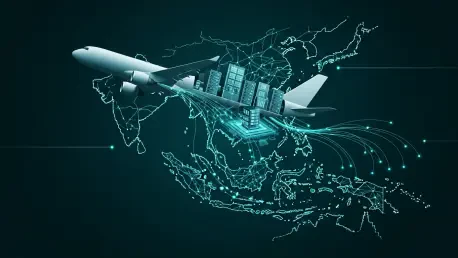
The transition toward a tech-heavy cargo mix is redrawing the map of manufacturing and logistics hubs across the Asian continent, creating a new hierarchy of critical transit points. While China remains an important player in the global supply chain, Japan and South Korea have solidified their roles as the primary exporters of specialized chip-making equipment and advanced memory chips. Meanwhile, Southeast Asian nations such as Vietnam, Malaysia, and Thailand have emerged as essential assembly points for AI servers destined for Western markets. This geographic shift is clearly reflected in the increased freight throughput at major transit hubs like Singapore, which has seen significant growth specifically driven by the semiconductor boom. These regional centers are no longer just stopping points for consumer goods but are now integral nodes in a sophisticated network that supports the most advanced computing infrastructure, effectively shifting the balance of power in regional logistics.
Major Asian carriers are aggressively realigning their fleets and routes to capture this high-margin business, explicitly targeting the hardware required for AI development. Airlines such as Korean Air have reported massive jumps in cargo revenue, citing AI components as the primary replacement for declining e-commerce volumes. Similarly, Japan Airlines and ANA are focusing their resources on specific semiconductor hubs like Taipei and Hanoi, deploying more large freighters to handle the heavy trans-Pacific demand for high-tech goods that now account for a substantial portion of their total cargo income. By optimizing flight paths and increasing capacity on these specialized routes, these carriers are ensuring they remain at the forefront of the technological revolution. This shift in operational strategy reflects a broader trend where the focus has moved from maximizing package count to maximizing the financial density of every flight, ensuring long-term profitability and strategic relevance.
Logistics specialists successfully navigated these complexities by adopting a dual-track strategy that prioritized high-value infrastructure over consumer retail volume. They invested in advanced sensor technologies to provide real-time data on the status of sensitive AI components, ensuring that every shipment met the rigorous standards of global technology leaders. Furthermore, air carriers realigned their schedules to synchronize with the production timelines of major semiconductor foundries, creating a more cohesive and efficient supply chain. These proactive measures allowed the industry to transition into a new era where technical expertise and precision handling became the primary benchmarks for success. Looking toward future developments, companies began exploring the use of sustainable aviation fuels and carbon-offset programs to meet the environmental requirements of the tech sector. These strategic adjustments ensured that the air cargo sector remained the vital engine of global technological progress.