Global commerce has reached a point where manual logistics systems can no longer satisfy the explosive demand for rapid shipping and accurate inventory tracking across diverse markets. Retailers and manufacturers alike have found that the old ways of managing stock—relying on spreadsheets and human

A single mislabeled drum of volatile chemicals or a missing digit on a shipping manifest can trigger a catastrophic sequence of events on a busy interstate, potentially costing millions in fines and environmental cleanup. As of 2026, the logistics industry continues to grapple with the reality that
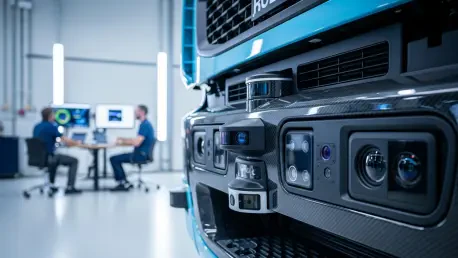
The quiet revolution of heavy-duty logistics is no longer a distant theoretical possibility but a rapidly accelerating reality being forged by the integration of carbon-neutral drivetrains and high-level artificial intelligence. This technological convergence addresses the dual pressures of

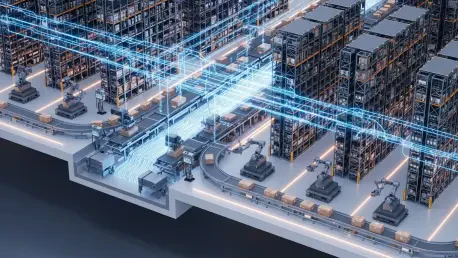
The sheer complexity of modern fulfillment centers has reached a critical tipping point where adding more physical robots no longer guarantees a linear increase in operational productivity or speed. While the sight of high-speed sorting arms and sleek autonomous mobile robots gliding across

The current state of global electronics manufacturing necessitates a level of granular oversight that would have seemed impossible just a few years ago, particularly as semiconductor components become more specialized and integrated into every facet of modern infrastructure. In the present

Global supply chains are currently navigating an unprecedented metamorphosis as they move away from manual labor toward sophisticated, intelligent systems that define the modern logistics landscape. This evolution is driven by a market for automated material handling equipment that is projected to