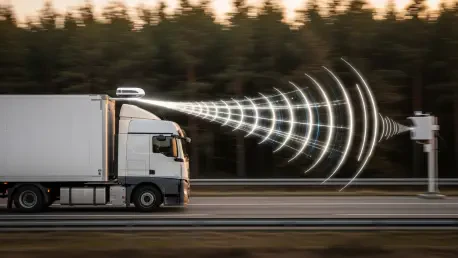

As the European logistics landscape undergoes a radical digital transformation, transport operators are finding that the margin for error in regulatory compliance has effectively vanished with the mandatory implementation of the Smart Tachograph Version 2. This sophisticated hardware represents more than just a recording device; it serves as the primary interface between a commercial vehicle and the regulatory authorities who now possess the capability to perform remote data screenings. Unlike previous generations of recording equipment, the latest iterations utilize Dedicated Short Range Communication technology to transmit critical information to roadside inspectors without the vehicle ever having to come to a complete stop. This shift has necessitated a total reevaluation of how fleet managers handle their internal auditing processes, moving away from reactive manual downloads toward a continuous stream of remote data that provides a clear, real-time window into driver behavior and adherence to strictly enforced labor laws. The complexity of managing these data streams has become a central pillar of operational success, as the penalties for non-compliance are no longer just financial burdens but existential threats to the operating licenses of international transport firms. Consequently, the reliance on manual data collection has been exposed as a significant vulnerability that modern fleets must address immediately to survive.
Technical Infrastructure: The Role of Remote Communication
The integration of Dedicated Short Range Communication (DSRC) technology within the Smart Tachograph Version 2 has fundamentally altered the power dynamics between regulatory enforcement and transport companies. This specialized radio frequency link allows enforcement officers to interrogate the tachograph of a moving vehicle from the roadside, instantly flagging discrepancies in driving times or unauthorized interruptions in the data stream. Because the hardware automatically logs border crossings and provides enhanced security against tampering, the burden of proof has shifted significantly onto the operators to ensure their digital records are beyond reproach. The technical architecture requires that this information be accessible and accurate at all times, leading to a surge in demand for hardware that can reliably communicate with state-run monitoring systems. Operators who successfully integrated these systems found that the reduced frequency of physical roadside stops significantly improved their delivery timelines and overall fleet productivity during high-demand periods.
Transitioning to remote data downloading solutions has become a non-negotiable requirement for logistics companies operating within the current regulatory framework of the European Union. These systems utilize advanced telematics to pull data from the vehicle’s internal memory and the driver’s card without requiring the truck to return to a central hub, which saves countless hours of administrative labor. By automating this process, companies can ensure that they are meeting the strict legal deadlines for data archiving while simultaneously reducing the risk of human error associated with manual card reading. The cloud-based nature of these platforms means that compliance officers within the company can monitor driver activity from any location, allowing for immediate intervention if a potential violation is detected. This level of visibility ensures that small errors do not snowball into systemic failures that could lead to heavy fines or the suspension of transport permits, providing a layer of security that manual systems simply cannot offer in a modern environment.
Strategic Oversight: Enhancing Operational Efficiency
Effective compliance management now hinges on the ability of a fleet to pre-emptively identify issues before they are discovered during a roadside inspection by national authorities. With the introduction of more stringent rules regarding driver rest periods and cabotage, the volume of data that must be analyzed has increased exponentially, making manual oversight nearly impossible for larger organizations. Remote tachograph data provides a granular view of every second a driver spends behind the wheel, ensuring that mandatory breaks are taken exactly as prescribed by the Mobility Package regulations. This proactive approach allows fleet managers to adjust routes and schedules in real time, preventing situations where a driver might feel pressured to violate hours-of-service rules to meet a deadline. By maintaining a clean digital record that is updated daily, transport companies can present a profile of low risk to the Risk Rating System used by European regulators, which directly results in fewer targeted inspections and a much smoother passage across international borders for their entire fleet.
The transition to remote tachograph data ultimately proved to be the most effective mechanism for achieving sustained compliance within the increasingly complex regulatory environment of the European Union. Companies that prioritized the adoption of automated downloading systems successfully eliminated the administrative burden of manual data collection and significantly reduced their exposure to regulatory fines. These organizations leveraged the real-time insights gained from remote monitoring to optimize their logistical workflows and improve the overall safety of their operations. The industry moved toward a standard where digital transparency was viewed as a hallmark of professional excellence rather than a necessary evil. For those looking to secure their position in the market, the clear path involved integrating these technologies into the core of their business strategy. This approach ensured that they stayed ahead of legislative changes and maintained the trust of both regulatory bodies and their clients, defining the leaders of the modern European transport sector.