
A fleet manager standing in a remote regional depot often faces the daunting reality of a fractured logistics chain where mechanical failures and paperwork delays dictate the daily operational rhythm. For major water infrastructure providers like Sunwater, managing hundreds of specialized assets across rugged terrains once felt like a constant battle against entropy rather than a coordinated business function. This persistent state of reactive “fleet administration” often stems from a lack of centralized oversight, resulting in a culture where localized fixes prioritize immediate convenience over long-term organizational health. By moving toward a proactive management model, these organizations are beginning to bridge the gap between field-level demands and executive-level strategic goals. The transformation requires a shift from viewing vehicles as mere tools to treating them as critical components of a data-driven ecosystem. This evolution addresses chronic disconnections by aligning every asset’s performance with the broader objectives of the business.
Standardizing the Fleet: Establishing Rigorous Design Standards
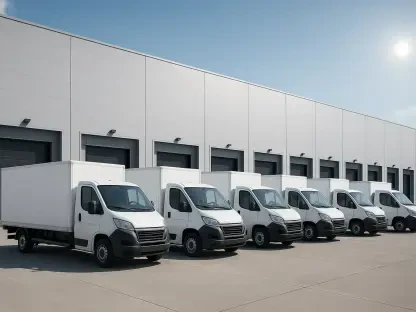
The path toward structural efficiency begins with the elimination of arbitrary asset selection, which historically allowed individual preferences to compromise the integrity of the total fleet. When drivers in remote areas select vehicles based on personal comfort rather than operational necessity, the result is a fragmented inventory that inflates maintenance costs and complicates procurement cycles. To combat this, management teams have started conducting exhaustive field inspections and driver surveys to develop a “fit-for-purpose” design standard that applies to every unit in the roster. This rigorous approach ensures that each vehicle is equipped with the specific toolsets and safety features required for its unique environment, whether it is navigating unsealed roads or transporting heavy machinery. By establishing a rigid blueprint for different asset classes, organizations can streamline their supply chains and ensure that every technician possesses the exact equipment needed to perform their job safely.
Beyond simple procurement, standardized vehicle designs offer a strategic advantage in the workshop, where mechanics can develop deep expertise in a narrower range of components. This reduction in technical complexity minimizes the need for specialized training for every new vehicle type and allows for a more predictable inventory of spare parts across regional depots. When a fleet is uniform, the diagnostic process becomes significantly faster, leading to higher uptime and a more resilient operational footprint in the face of unexpected breakdowns. Furthermore, this standardization facilitates more accurate lifecycle forecasting, as the performance data across similar models provides a clearer picture of when an asset should be retired or overhauled. The transition away from a generic or haphazard fleet toward a highly specialized and uniform one acts as the foundation for all subsequent improvements in efficiency and cost management. This discipline effectively turns a collection of disparate vehicles into a cohesive, high-performance toolset.
Digital Integration: Enhancing Visibility and Vendor Collaboration
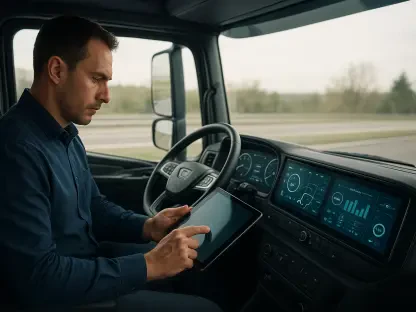
Administrative friction is frequently the byproduct of outdated manual systems that trap critical operational data in paper logs and localized spreadsheets. The modernization of fleet management requires a full transition to digital workflow platforms that offer real-time transparency into telematics, fuel consumption, and maintenance schedules. These centralized systems allow managers to monitor the entire asset lifecycle from a single dashboard, transforming the fleet department into a transparent hub of organizational accountability. When data is accessible across the entire enterprise, the manual burden of verifying repair statuses or approving fuel expenses is replaced by automated cycles that free up staff to focus on high-level strategy. This digital shift does more than just reduce paperwork; it provides the empirical evidence needed to justify capital expenditures and optimize vehicle utilization rates across different regions. Enhanced visibility ensures that resources are allocated based on actual demand rather than historical assumptions.
Strategic success also depends on evolving the nature of relationships with external partners, particularly Fleet Management Organizations that handle leasing and maintenance. Rather than treating these entities as simple service providers, forward-thinking companies are bringing vendors into the field to witness the extreme environmental conditions their assets must endure. This level of immersive collaboration fosters a shared understanding of operational challenges, moving the conversation away from historical errors and toward proactive solution-oriented support. When a vendor understands the specific rigors of a remote work site, they can provide better advice on vehicle specifications and proactive maintenance intervals that prevent failures before they occur. This collaborative ecosystem ensures that external support is tailored to the unique pressures of the business, creating a more responsive and agile supply chain. By aligning vendor incentives with organizational goals, fleet managers can leverage external expertise to drive down the total cost of ownership.
Cultural Evolution: Navigating Change and Industry Trends
The human element of fleet management is often the most difficult variable to control, especially when workers are dispersed across vast geographic distances and diverse regional cultures. Successfully implementing new standards and digital tools requires a management style that resembles the physics of a heavy flywheel; initial progress is slow and demands constant energy, but once momentum is gained, it becomes self-sustaining. Persistent communication and direct engagement with regional managers are essential to overcome the natural resistance that accompanies large-scale changes in operational habits. By demonstrating the tangible benefits of streamlined processes, such as reduced downtime and improved vehicle safety, leadership can build a culture of buy-in that permeates every level of the organization. Once the workforce recognizes that these changes make their daily tasks easier and safer, the shift toward a strategic mindset begins to take hold naturally. This cultural transformation is the catalyst that turns a top-down mandate into a bottom-up movement.
These internal cultural shifts are occurring alongside significant industry-wide changes that prioritize durability, safety, and deeper digital integration across all asset classes. Modern fleet managers are no longer viewing advanced safety suites and high-capacity equipment as optional upgrades but as essential baselines for mitigating risk in high-stakes environments. This focus on long-term reliability over initial purchase price reflects a sophisticated understanding of total lifecycle costs and the financial impact of asset downtime. By investing in vehicles that offer superior build quality and the latest in driver-assistance technology, organizations can protect their most valuable assets: the employees operating the equipment. This alignment with modern industry standards ensures that the fleet remains competitive and capable of meeting the increasing demands of modern infrastructure projects. The integration of specialized equipment allows companies to tackle complex tasks with greater precision, effectively turning the fleet from a cost center into a strategic advantage.
Strategic Governance: Shifting From Reactive to Proactive Models
The final transition from a state of chaos to strategic success is characterized by a shift in how fleet managers perceive their own roles within the corporate hierarchy. Moving away from a reactive “passenger” mindset, where professionals simply respond to mechanical emergencies, requires adopting the “pilot” mindset of a strategic leader. A pilot does not wait for a crisis to occur; they use available data and pre-defined frameworks to navigate around potential obstacles and ensure a safe, efficient journey to the destination. In the context of fleet management, this means using predictive analytics to schedule maintenance before a part fails and using telematics to coach drivers on behaviors that extend vehicle life. This proactive stance connects the underlying purpose of every vehicle to its execution in the field, ensuring that the fleet function contributes directly to the stability and productivity of the entire enterprise. When every asset is managed with strategic intent, the organization can respond to market fluctuations with a level of agility.
As the transition toward proactive management matured, the organization successfully established a framework that prioritized data-driven decisions over historical intuition. This shift empowered the fleet team to provide actionable insights that influenced broader corporate strategy, particularly regarding long-term capital allocation and environmental sustainability goals. By focusing on asset longevity and operational efficiency, the department transitioned into a vital contributor to the company’s bottom line, proving that a well-managed fleet is a cornerstone of industrial resilience. Leaders eventually moved beyond simple cost-cutting measures to explore how advanced telematics could enhance the safety profile of the entire workforce. The implementation of these standardized protocols and digital oversight systems ensured that the organization remained prepared for the logistical demands of the late 2020s. Ultimately, the move from reactive administration to strategic governance provided a blueprint for other departments to follow, demonstrating that transparency and planning are the only viable solutions.