
The quiet revolution of heavy-duty logistics is no longer a distant theoretical possibility but a rapidly accelerating reality being forged by the integration of carbon-neutral drivetrains and high-level artificial intelligence. This technological convergence addresses the dual pressures of environmental sustainability and operational efficiency that have long burdened the global supply chain. By removing the traditional constraints of diesel combustion and human-centric vehicle architecture, these systems aim to lower operational overhead while simultaneously improving road safety. In the broader landscape, this shift represents the final frontier of automated mobility, specifically designed for high-demand freight.
Introduction to Autonomous Electric Freight Systems
Modern autonomous trucking combines zero-emission propulsion with sophisticated AI to transform how goods move through the economy. This technology emerged from the convergence of battery-electric vehicle development and high-level automation software. By focusing on heavy-duty logistics, manufacturers are targeting the most carbon-intensive segment of transport. The current push seeks to create a seamless, self-operating network that functions independently of traditional driver limitations.
Technical Innovations and Core Components
Radical Cabless Structural Design
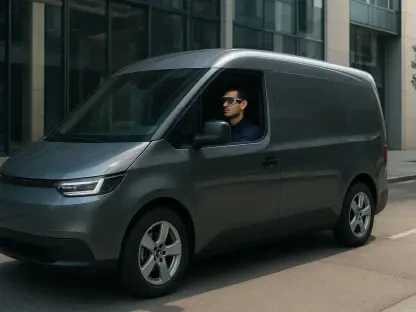
One of the most striking features of modern autonomous trucks, such as the Humble Hauler, is the departure from traditional vehicle architecture. By entirely eliminating the driver’s seat, steering wheel, and pedals, manufacturers can optimize the chassis for aerodynamics and cargo capacity. This “cabless” approach reduces the weight and complexity of the vehicle, allowing the design to focus exclusively on the integration of hardware and software rather than human ergonomics.
Multi-Modal Sensor Suites and AI Integration
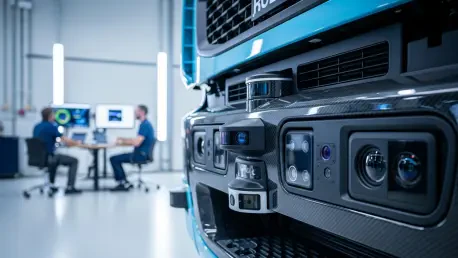
The performance of these vehicles relies on a comprehensive array of sensors, including lidar, radar, and high-resolution cameras. These tools provide a 360-degree view of the environment, processed in real-time by powerful onboard AI. This system is designed to navigate complex traffic patterns and detect hazards with greater precision than a human driver, making it the primary governing force behind the vehicle’s operation and safety protocols.
Electric Powertrain and Short-Haul Optimization
Current battery technology often limits heavy-duty electric trucks to a range of approximately 200 miles. Consequently, the focus has shifted toward short-haul operations and drayage. This specific application allows for frequent charging at logistics hubs while providing sufficient torque for heavy loads. The integration of electric motors also simplifies the drivetrain, resulting in lower maintenance costs compared to traditional diesel-powered fleets.
Recent Advancements and Regulatory Shifts
The landscape of autonomous trucking is shifting rapidly due to new legislative support and significant capital investment. A major milestone occurred when regulatory bodies lifted long-standing bans on testing heavy-duty autonomous trucks on public roads. This pivot, combined with substantial funding rounds for specialized startups, has accelerated the transition from closed-circuit testing to real-world deployment. However, these advancements come with strict mandates for rigorous mileage testing.
Real-World Applications in Port Logistics
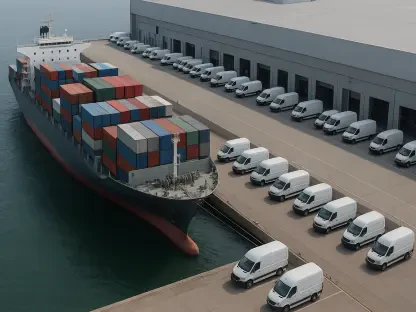
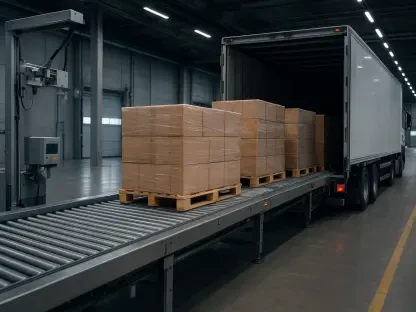
The most immediate application of autonomous electric trucking is found within high-traffic logistics hubs, such as the ports of Los Angeles and Long Beach. These environments are ideal for short-haul, repeatable routes where the 200-mile range of electric batteries is most effective. By deploying driverless haulers in these sectors, companies can streamline the movement of containers from ships to nearby distribution centers, significantly reducing port congestion and local emissions.
Industry Challenges and Safety Obstacles
Labor Displacement and Economic Concerns
The transition to driverless transport faces significant pushback from labor organizations. There is a growing concern that widespread adoption could displace hundreds of thousands of workers in the trucking industry. Critics argue that the economic efficiency gained through automation must be balanced against the potential loss of livelihoods for local and long-distance drivers. This tension remains a primary hurdle for total market penetration.
Safety Risks and Technical Limitations
Safety advocates have raised alarms regarding the total absence of manual overrides in cabless designs. The primary concern is that an AI malfunction or an unforeseen traffic emergency could lead to catastrophic accidents involving heavy-duty loads. Without a cockpit for a human operator to intervene, the vehicle is entirely dependent on its software, leading to ongoing debates regarding the reliability of autonomous systems in non-standard driving conditions.
Future Outlook and Long-Term Trajectory
The future of autonomous electric trucking points toward a gradual integration rather than an overnight overhaul. While cabless designs and AI-driven systems are pushing the boundaries of vehicle engineering, human drivers are expected to remain a vital part of the global logistics infrastructure for years to come. Future breakthroughs in solid-state batteries and edge computing will likely extend the range and decision-making capabilities of these trucks, eventually allowing them to move into transcontinental corridors.
Summary and Final Assessment
Autonomous electric trucking proved to be a transformative technology that redefined the efficiency and environmental impact of the freight industry. While the technological components—such as cabless chassis and AI sensor suites—advanced rapidly, the industry still had to navigate complex regulatory hurdles and significant social opposition. Moving forward, the industry prioritized the development of standardized safety protocols and hybrid transition programs for the workforce. These steps ensured that the efficiency of automation did not come at the cost of public trust or economic stability.