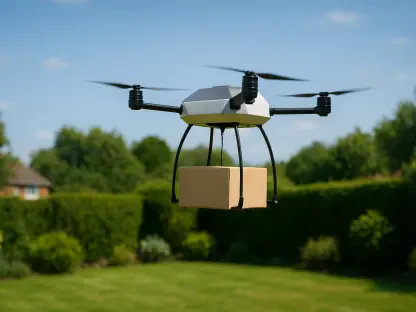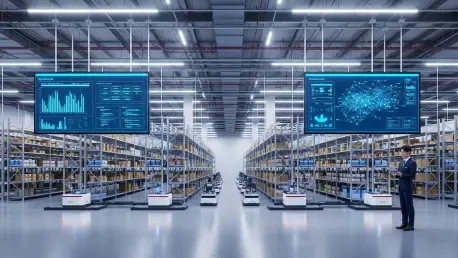

The sight of a warehouse operating at peak efficiency without a single human coordinator on the floor is no longer a futuristic dream but a rapidly expanding reality across Japan’s industrial corridors. This transformation signifies a monumental pivot in how one of the world’s most advanced manufacturing nations addresses the complexities of global trade and domestic constraints. As of 2026, the Japanese logistics landscape is shedding its reputation for rigid, paper-heavy processes in favor of a fluid, data-driven ecosystem. This shift is not merely a technical upgrade but a strategic reimagining of the supply chain as a proactive and autonomous nervous system.
The current state of the industry reflects a desperate race to overcome the limitations of the past while capitalizing on the potential of the cloud. For decades, Japanese firms relied on highly specialized but isolated legacy systems that hindered transparency and slowed response times. Today, the move toward integrated, cloud-native platforms is unifying disparate functions under a single digital roof. This evolution allows for a level of synchronization between manufacturing floors and shipping docks that was previously impossible, ensuring that the flow of goods is as precise as the engineering of the products themselves.
Central to this progress is the adoption of advanced software architectures that prioritize interoperability and real-time data exchange. By moving away from on-premises silos, companies are gaining the agility needed to navigate a world where market demands change in an instant. The integration of these systems is creating a more resilient infrastructure, capable of absorbing shocks and maintaining continuity in a volatile global economy. As this digital metamorphosis continues, the focus remains on building a foundation that supports not just current needs but the autonomous innovations that are quickly becoming standard practice.
The Digital Metamorphosis of Japan’s Supply Chain Infrastructure
The transition from fragmented legacy systems and cumbersome spreadsheets to integrated, cloud-native digital platforms marks a significant turning point for Japanese industry. Historically, the reliance on localized data and manual entry created bottlenecks that slowed the entire supply chain. However, the modern enterprise environment now demands a unified view of operations, leading to a surge in the adoption of sophisticated Software-as-a-Service solutions. This migration allows companies to break down internal barriers, ensuring that every department, from procurement to final delivery, operates from a single source of truth.
Market segments such as Transportation Management Systems (TMS), Warehouse Management Systems (WMS), and Manufacturing Execution Systems (MES) are no longer treated as independent tools. Instead, they are being woven into a cohesive fabric that provides end-to-end visibility. This integration is essential for a manufacturing-driven economy like Japan’s, where the precision of the production line must be matched by the efficiency of the delivery network. By aligning these systems, businesses can optimize inventory levels, reduce waste, and ensure that products reach customers with unprecedented speed and accuracy.
Domestic technology giants like Fujitsu, NEC, and Hitachi are playing a pivotal role in this transformation, leveraging their deep understanding of the local industrial context. These firms are working alongside global enterprise leaders to develop solutions that respect traditional Japanese business practices while introducing cutting-edge digital capabilities. This collaboration is fostering a transition toward unified logistics ecosystems that are both culturally attuned and technologically advanced. The result is a more competitive industrial sector that can hold its own on the global stage by mastering the art of digital coordination.
Strategic Catalysts and the Shift Toward Autonomous Intelligence
Key Drivers: The Rise of Agentic AI Collaborations
The most pressing challenge facing the Japanese logistics sector is the severe labor bottleneck caused by a rapidly aging population and a shrinking workforce. This demographic pressure has accelerated the transition from passive automation, which requires constant human oversight, to Agentic AI. Unlike previous iterations of artificial intelligence that only provided recommendations, these modern agents are capable of independent coordination and cross-company negotiation. They can identify a potential delay in a shipment and proactively contact a logistics partner to secure an alternative route without waiting for a human manager to intervene.
The integration of Physical AI is another critical component of this shift, as supply chain software is now being directly linked with factory-floor robotics. This connection allows for a seamless flow of information from the digital planning phase to the physical execution of tasks. In a warehouse setting, AI agents can direct autonomous mobile robots to reorganize inventory based on predicted demand spikes, effectively turning the warehouse into a self-optimizing environment. This synergy between software and hardware is essential for maintaining productivity in an era where human labor is increasingly scarce and expensive.
Moreover, these collaborations are extending beyond the walls of individual companies, creating a network of intelligent agents that can communicate across the entire supply chain. This level of cross-organizational intelligence ensures that every link in the chain is informed and empowered to make decisions that benefit the whole ecosystem. By delegating routine coordination tasks to AI, human workers are freed to focus on high-level strategic planning and complex problem-solving. This shift toward autonomous intelligence is not just a technological feat but a necessary adaptation to the social realities of modern Japan.
Market Projections: The Cloud Deployment Revolution
The financial trajectory of the supply chain management market reflects the intensity of this digital shift, with projections showing growth from USD 1,194.5 million in early 2026 toward an estimated USD 1,616.7 million by 2034. This steady increase is underpinned by a 3.42% Compound Annual Growth Rate (CAGR), a figure that hides the explosive expansion within specific sub-sectors. The dominance of the Software-as-a-Service (SaaS) model is a primary driver of this growth, as it offers a flexible and cost-effective alternative to the massive capital expenditures required for traditional IT infrastructure.
The emergence of Small and Medium-sized Enterprises (SMEs) as a vital growth engine for cloud-based solutions is particularly noteworthy. Previously, the high cost of advanced logistics software meant that only the largest corporations could afford to modernize. However, the accessibility of the cloud has leveled the playing field, allowing smaller players to implement sophisticated supply chain planning tools. This democratization of technology is crucial for the overall health of the Japanese economy, as SMEs form the backbone of the manufacturing supply chain and their efficiency directly impacts the success of larger firms.
This cloud deployment revolution is also driven by the need for superior data security and disaster recovery capabilities. Given Japan’s susceptibility to natural disasters, the ability to store critical operational data in secure, off-site cloud environments is a significant strategic advantage. As more companies recognize the value of resilience, the migration to the cloud is expected to accelerate even further. This trend is creating a more interconnected and robust industrial landscape, where even the smallest components of the supply chain are equipped with the digital tools needed to thrive in a competitive global market.
Navigating Technical Debt and the Labor Bottleneck
Migrating from decades-old on-premises systems to modern cloud architectures remains one of the most significant hurdles for many Japanese manufacturers. This technical debt is not just a matter of outdated hardware but also involves deeply embedded custom software that was designed for a different era of commerce. Transitioning these complex systems requires a delicate balance between maintaining daily operations and implementing radical new technologies. Companies must carefully map out their migration strategies to ensure that the move to the cloud does not disrupt the very supply chains they are trying to improve.
Furthermore, the industry is grappling with a severe scarcity of professionals who possess a deep understanding of both supply chain logistics and advanced AI architecture. The skills gap is a major bottleneck, as the successful implementation of autonomous systems requires a unique blend of domain expertise and technical prowess. Educational institutions and corporate training programs are racing to fill this void, but the demand for talent continues to outpace the supply. This shortage is forcing many companies to rely more heavily on external consultants and technology partners to bridge the gap between their current capabilities and their digital ambitions.
Overcoming data governance hurdles is another essential step in establishing trust for cross-company data sharing. For Agentic AI to function effectively across organizational boundaries, companies must be willing to share sensitive operational data with their partners. Establishing secure frameworks and clear protocols for data exchange is a priority for industry groups and government regulators alike. By creating a culture of transparency and security, the logistics sector can unlock the full potential of collaborative intelligence, turning shared data into a collective strategic asset that enhances the resilience of the entire national economy.
Governance and Policy Frameworks Powering Society 5.0
The Japanese government’s commitment to the National AI and Robotics Investment Vision is providing a powerful tailwind for the modernization of logistics. With an infusion of approximately USD 2.3 trillion into the industrial sector, the state is actively steering the country toward the goals of Society 5.0. This vision seeks to integrate digital technology into every aspect of life, creating a super-smart society where human needs are met with precision and efficiency. In the logistics sector, this means creating a seamless flow of goods that supports both economic growth and social well-being, while minimizing the environmental impact of transport.
Corporate strategies are increasingly aligning with the standards set by the Council on Competitiveness-Nippon (COCN) for secure data exchange. These guidelines are essential for building the trust necessary for large-scale digital collaboration and ensuring that Japan remains a leader in international trade. Moreover, the emphasis on Environmental, Social, and Governance (ESG) reporting is driving a new focus on carbon footprint visibility within the supply chain. Modern logistics software is now being used to track and optimize emissions, allowing companies to meet their sustainability goals while improving operational efficiency.
The impact of government-led initiatives is perhaps most visible in the ambitious plan to deploy 10 million AI-enabled robots by 2040. This large-scale rollout is designed to address the labor shortage head-on, providing the physical muscle needed to complement the digital intelligence of the cloud. By creating a policy environment that encourages innovation and rewards efficiency, the government is helping to ensure that the transition to autonomous logistics is both rapid and sustainable. These frameworks are providing the stability and direction needed for long-term investment, positioning Japan as a global leader in the practical application of industrial AI.
The Frontier of Innovation: Global Alliances and Physical AI
Strategic partnerships between Japanese tech leaders and global AI pioneers like Anthropic and Nvidia are pushing the boundaries of what is possible in the logistics sector. These alliances are bringing world-class generative AI and high-performance computing capabilities to the Japanese market, enabling the development of more sophisticated autonomous systems. By combining local expertise in manufacturing with global breakthroughs in machine learning, these partnerships are creating a new generation of tools that can handle the complexity of modern supply chains. This collaboration is essential for maintaining a competitive edge in a world where technology is evolving at breakneck speed.
The move toward Mainstream Agentic AI is expected to become the standard operating procedure for major industrial players by the late 2020s. This transition will see AI agents taking on more responsibility for the day-to-day management of logistics, allowing humans to step back into more analytical and creative roles. The convergence of digital planning and physical execution is also reaching new heights, with autonomous warehouse robotics becoming more agile and intelligent. These machines are increasingly capable of working alongside humans in dynamic environments, further enhancing the productivity of the logistics network.
Geographically, these innovations are taking root in regional industrial hotspots, from the automotive hubs in Chubu to the pharmaceutical centers in Kansai. Each region is tailoring these technologies to meet its specific needs, creating a diverse but interconnected national ecosystem. In the Chubu region, the focus is on just-in-time logistics for the automotive sector, while in Kansai, the emphasis is on the specialized requirements of healthcare supply chains. This regional specialization is ensuring that the benefits of digital transformation are felt across the entire country, strengthening the resilience of local economies and the national supply chain as a whole.
Synthesizing the Future of Japan’s Autonomous Logistics Ecosystem
The transition of the supply chain from a back-office function to a primary source of competitive advantage was a defining feature of the industrial landscape described in the report. Stakeholders recognized that the old ways of managing logistics were no longer sufficient in a world characterized by labor shortages and rapid technological change. The research highlighted how the “SaaS-ification” of Japanese industry played a crucial role in closing the digital divide, allowing companies of all sizes to participate in the modernization of the economy. This shift toward cloud-native solutions was found to be the foundation upon which all other innovations, including Agentic AI and robotics, were built.
In analyzing the path forward, the report identified several strategic recommendations for navigating the complexities of autonomous coordination and legacy system integration. It was clear that the successful companies were those that prioritized the human element of the digital transition, investing in training and organizational change alongside new software. The study concluded that the move toward autonomy required a fundamental shift in mindset, from seeing the supply chain as a cost center to viewing it as a dynamic and strategic asset. This new perspective was essential for unlocking the full potential of the technologies being deployed across the country.
Ultimately, the findings established Japan as a premier global laboratory for the real-world application of frontier AI in the industrial sector. The combination of strong government support, a culture of manufacturing excellence, and a pressing need for innovation created a unique environment for the development of autonomous logistics. The analysis suggested that the lessons learned in Japan would have significant implications for other aging societies and advanced economies around the world. By successfully integrating AI and cloud technology into its core infrastructure, Japan demonstrated that it was possible to overcome demographic challenges and emerge with a more efficient and resilient economy.