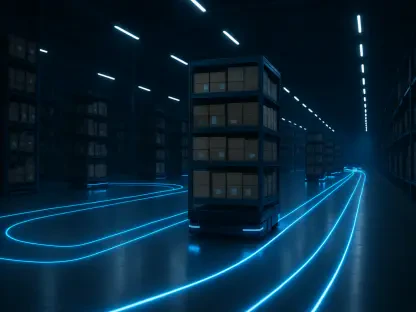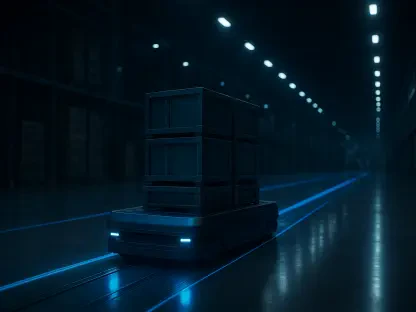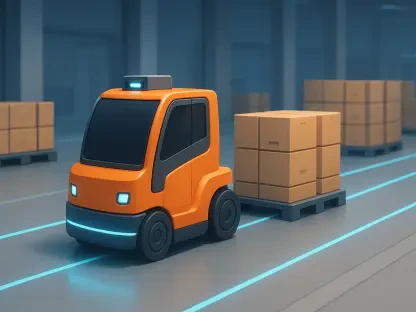

The sheer complexity of modern fulfillment centers has reached a critical tipping point where adding more physical robots no longer guarantees a linear increase in operational productivity or speed. While the sight of high-speed sorting arms and sleek autonomous mobile robots gliding across concrete floors remains impressive, these machines often operate within isolated bubbles of activity that fail to communicate with the broader facility. This fragmentation creates a paradox where individual zones achieve peak efficiency, yet the warehouse as a whole struggles with bottlenecks and idle times during sudden shifts in order volume. The industry is currently moving away from this hardware-first mentality to embrace a sophisticated software orchestration layer that serves as the central nervous system for all logistics activities. By treating robots, conveyors, and human workers as a single, interconnected ecosystem, orchestration ensures that every mechanical movement is synchronized with high-level business goals. This shift represents the necessary transition from simple mechanical automation to a truly intelligent, self-regulating environment that can adapt to real-time changes.
The Challenge: Navigating System Interoperability
The current landscape of warehouse technology is characterized by a diverse array of specialized equipment, yet the lack of standardized communication protocols remains a significant barrier to total efficiency. Many distribution centers have inadvertently built digital silos because early automation investments favored proprietary software that does not easily exchange data with third-party platforms or older legacy systems. This integration gap forces warehouse managers to manually bridge the communication divide between their existing Warehouse Management Systems and a growing fleet of disparate robotic controllers. Achieving true interoperability requires a fundamental shift toward open standards and universal interfaces that allow a multi-vendor environment to function as a unified entity rather than a collection of parts. Without this cohesion, the potential of high-performance hardware is frequently throttled by the inability of the system to share real-time inventory status or location data across different brand-specific zones. Operators are now prioritizing software solutions that offer deep compatibility and vendor-agnostic integration capabilities.
Effective software orchestration goes far beyond merely establishing a basic data connection between two machines; it involves the intelligent sequencing of tasks based on fluctuating operational priorities. When a sudden surge in e-commerce orders hits the floor, a centralized orchestration layer must be capable of reallocating robotic resources on the fly to prevent congestion in the packing or shipping areas. This level of agility is only possible when data serves as the primary connective tissue, linking the warehouse execution system directly to the granular sensor data provided by the hardware on the floor. By analyzing these continuous streams of information, the software can identify emerging bottlenecks minutes before they impact throughput, allowing for proactive adjustments to the workflow. Moving toward this model means that the logic of the operation is no longer hard-coded into specific machines but resides in a flexible, top-level control layer. This strategic shift allows facilities to scale their operations horizontally without adding excessive layers of administrative complexity or manual oversight.
Integration Strategy: Leveraging Real-Time Data Streams
Tangible progress in the field is increasingly visible through the adoption of micro-integrations, where specific subsets of automated hardware are engineered to communicate autonomously without human intervention. A prime example is the development of integrated end-of-line systems where palletizing robots are no longer static islands but are fully aware of the status of the autonomous forklifts serving them. These robots can now communicate directly with transport vehicles to verify pallet readiness, weight distribution, and destination routing without requiring a supervisor to trigger the next step. This direct machine-to-machine dialogue minimizes the transition time between pick-and-pack operations and final dispatch, significantly increasing the cycles per hour for the entire facility. Furthermore, the integration of advanced sensors allows these systems to adjust to varying load dimensions or pallet types in real-time, ensuring that the automation remains flexible enough to handle diverse product categories. This granular level of synchronization is rapidly becoming the gold standard for high-volume centers.
The widespread adoption of the Industrial Internet of Things is also transforming how warehouse managers approach the health and longevity of their automated assets through continuous remote monitoring. By embedding sensors within every motor and joint of a robotic arm, orchestration software can track performance metrics such as operating temperature, vibration patterns, and energy consumption levels. This data is then analyzed using machine learning algorithms to predict when a component is likely to fail, enabling maintenance teams to replace parts during scheduled breaks rather than reacting to unplanned breakdowns. This shift toward predictive maintenance ensures that the warehouse maintains a high level of availability, which is crucial during high-stakes shipping windows and seasonal peaks. Moreover, digital twins of the warehouse environment allow for simulated testing of new workflows before they are deployed on the physical floor, reducing the risk of operational errors. As hardware becomes more self-aware, the role of human technicians shifts from constant troubleshooting to high-level system optimization.
Operational Excellence: Transitioning to Autonomous Management
Ultimately, the long-term success of warehouse automation will be measured by the intelligence of the control layer rather than the brute force or speed of the individual robots themselves. As consumer expectations for rapid delivery continue to grow from 2026 to 2028, the ability to manage complex, multi-channel fulfillment demands will require software that can think several steps ahead of the current task. Companies are increasingly investing in strategic planning that prioritizes logical flow and data visibility over the acquisition of expensive, standalone gadgets. This approach ensures that any future hardware additions can be easily absorbed into the existing digital framework, protecting the initial investment from becoming obsolete as technology evolves. The focus moved from how fast a robot can move to how well that robot fits into the global operation. By prioritizing this holistic view, logistics providers created a resilient infrastructure that adapted to market volatility and labor shifts with minimal friction. The orchestration layer was the key to transforming a collection of machines into a responsive business asset.
Industry leaders recognized that software orchestration was the essential bridge between raw hardware capability and operational excellence. They discovered that the most successful implementations prioritized standardized data schemas and open application programming interfaces to facilitate a more fluid exchange of information. These pioneers shifted their capital expenditure from purely mechanical upgrades to comprehensive digital transformations that empowered their teams with real-time insights and predictive analytics. The next step involved extending these orchestration capabilities beyond the four walls of the warehouse to integrate with transportation networks and supplier inventories. This holistic connectivity allowed for a level of transparency that reduced waste and optimized the use of global resources. Organizations that embraced this software-centric philosophy secured a competitive advantage by building facilities that were not just automated, but truly intelligent and capable of self-optimization. They proved that the future of logistics belonged to those who mastered the data driving the machines.