
The transformation of India’s agricultural supply chain has reached a critical turning point as the nation replaces traditional manual record-keeping with a sophisticated AI-driven smart warehousing infrastructure. This initiative marks a significant transition for the Public Distribution System, which has long struggled with the inefficiencies of paper-based logs and fragmented communication. By integrating Artificial Intelligence and the Internet of Things, the government is modernizing the storage and distribution of foodgrains, starting with hundreds of facilities under the Central Warehousing Corporation. This high-tech overhaul was designed to enhance national food security by ensuring that essential resources are managed with surgical precision. The implementation of these smart systems ensures that every metric ton of grain is accounted for from the moment it enters the facility until it reaches the final consumer. This movement represents a massive leap toward a data-driven framework that minimizes errors and maximizes the utility of existing agricultural resources across the country.
Digital Hubs and Dashboards
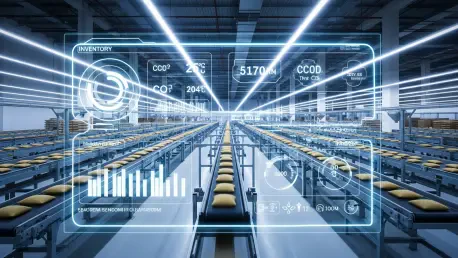
The core of these newly established smart hubs is an end-to-end digital dashboard that provides real-time visibility into inventory levels and storage conditions across the network. This system utilizes automated logistics, such as Automatic Number Plate Recognition for gate control and AI-driven bag counting, to eliminate the frequent human errors associated with manual inventory logging. By removing the need for subjective visual inspections during the intake process, the facility can process shipments much faster while maintaining a high degree of data accuracy. Digital tracking allows managers to monitor the flow of goods with unprecedented detail, identifying bottlenecks in the distribution chain before they cause significant delays. This high-tech gatekeeping serves as the first line of defense against inventory mismanagement, ensuring that every bag of grain entering the warehouse is logged into the national database instantly. This level of automation streamlines operations and provides a transparent record for all stakeholders involved.
Environmental Controls and Security
To ensure the ongoing quality of the stored grain, IoT sensors monitor internal environmental factors like carbon dioxide and phosphine levels to prevent spoilage and pest infestations. These sensors provide continuous data streams to a central monitoring unit, allowing for immediate intervention if conditions deviate from the optimal range. Maintaining the chemical and physical integrity of the food supply is critical for reducing post-harvest losses that have historically plagued the sector. Furthermore, facial recognition software and smart locking systems have been implemented at key access points to prevent unauthorized entry and protect the integrity of the entire supply chain. These security measures create an airtight custody environment where only verified personnel can interact with the stored inventory. By combining environmental monitoring with advanced biometrics, the warehouses function as secure vaults that preserve both the quantity and quality of the national food reserve. This dual focus on safety and preservation represents a modern approach to agricultural logistics.
Private Sector Growth and Industry Standards
For private sector partners, this government initiative serves as a major validation of the logistics-tech industry and creates new opportunities for large-scale infrastructure projects. The shift toward high-tech warehousing suggests that advanced digital frameworks are becoming the mandatory standard for large-scale operations in the region. Several sectors, including industrial automation, enterprise software, and IoT connectivity providers, are seeing increased demand as private companies move to match these new government standards. Companies that provide transparency and reduce the costs associated with inventory mismanagement will likely gain a significant competitive edge in this evolving market. However, moving from manual labor to automated systems requires extensive training for a workforce that may be unfamiliar with complex digital interfaces. The durability of physical hardware also remains a concern, as it must withstand diverse and often extreme environmental conditions. Addressing these hurdles is essential for the long-term success of the smart hub rollout.
Actionable Steps for Logistics Resilience
The successful implementation of these automated systems required a focus on local infrastructure and specialized workforce training to bridge the gap between legacy operations and new technology. Policy makers prioritized the development of regional technical support teams to handle the maintenance of IoT hardware in challenging environmental conditions. Furthermore, the industry moved toward standardized data encryption and edge computing solutions to maintain operation during periods of low internet connectivity in remote zones. These steps were taken to ensure that the transition to smart warehousing provided long-term stability rather than a temporary technical upgrade. Investment in ruggedized hardware tailored for high-heat zones proved essential for protecting the integrity of the sensing equipment. By establishing these foundational elements, stakeholders created a sustainable path for the total digitization of the food supply chain. This approach allowed for a more responsive and transparent system that adapted to the national landscape.