
Global trade routes have transformed into high-frequency digital corridors where the precision of an electronic signal determines the arrival of essential goods more than the horsepower of the engines transporting them. This shift represents a fundamental departure from traditional methods that viewed transportation as a purely physical hurdle. Today, the industry has transitioned toward an information-centric model where the orchestration of global goods relies on a complex layer of digital intelligence. This digital shift emerged from the necessity to manage an increasingly volatile world where physical infrastructure alone could no longer guarantee reliability. By placing data at the center of the operation, organizations have turned the supply chain into a living network that senses and responds to global events with minimal delay.
The relevance of this technology in the modern landscape cannot be overstated, as it represents the bridge between old-world logistics and the future of autonomous trade. The transition from physical oversight to digital orchestration allowed companies to treat every parcel and vehicle as a node in a massive, interconnected system. This context is vital for understanding how modern logistics networks function not just as carriers of products, but as generators of high-fidelity information. As these systems evolved, they integrated every part of the journey into a cohesive digital narrative, fundamentally changing how stakeholders interact with the global economy.
Foundations of the Digital Logistics Shift
The core principles of modern logistics rely on the seamless integration of physical assets with a robust digital foundation. This architecture was built to solve the fragmentation that once plagued international shipping, where information was often siloed within individual companies or geographic regions. The emergence of standardized digital protocols has allowed for the creation of a unified framework that tracks, analyzes, and optimizes movement across every continent. This transformation signifies that the supply chain is no longer a linear sequence of events but a dynamic ecosystem that thrives on the constant exchange of metadata.
In the broader technological landscape, this shift mirrors the general move toward digital twins and real-time observability seen in other high-stakes industries. By treating the movement of goods as a data problem, engineers have unlocked efficiencies that were previously hidden by the sheer scale of global operations. This evolution has moved the industry away from a reliance on manual check-ins toward a system of continuous monitoring. Consequently, the focus has shifted from managing trucks and ships to managing the information they emit, creating a more resilient structure capable of weathering unprecedented global disruptions.
Core Technologies Powering Modern Supply Chains
Predictive Analytics and Machine Learning Models
Predictive analytics serves as the brain of the modern logistics network, transforming how companies anticipate future needs. Traditional management was reactive, meaning that a response only occurred after a shipment was delayed or a warehouse ran empty. However, modern machine learning models synthesize millions of historical data points with live variables to forecast potential issues before they occur. These models analyze everything from port congestion levels to fluctuating fuel costs, allowing planners to adjust their strategies in a proactive manner that keeps the flow of goods steady even during periods of high demand.
The performance of these models has improved significantly as sophisticated computing power has become democratized across the industry. This accessibility means that even mid-sized logistics providers can now utilize tools that were once reserved for the world’s largest tech giants. By identifying potential bottlenecks days in advance, these systems allow for the preemptive rerouting of cargo, which reduces the overall cost of transit and improves service reliability. This transition from guessing to knowing has established a new competitive standard where the ability to interpret data is the primary differentiator between success and failure in a crowded market.
IoT Integration and AI-Driven Operational Visibility
The convergence of the Internet of Things and cloud computing has provided an unprecedented level of visibility into daily operations. Sensors embedded in shipping containers and vehicles provide a continuous stream of data regarding temperature, vibration, and exact geographic location. When this information flows into an AI-driven “unified data environment,” it eliminates the fragmented and delayed reporting that used to be the industry norm. This transparency allows for the immediate detection of inefficiencies, such as an idling truck in a congested urban center or a subtle deviation from a planned shipping route.
Moreover, this level of operational visibility fosters a more responsive ecosystem where human operators can focus on high-level decision-making rather than manual tracking. The real-time nature of these insights ensures that every stakeholder, from the manufacturer to the end consumer, has an accurate picture of where goods are and when they will arrive. By reducing the uncertainty inherent in global trade, these technologies have built a foundation of trust that is essential for the continued expansion of international commerce. The result is a leaner, more agile operation that can pivot instantly when environmental or economic conditions shift.
Strategic Innovation through Digital Twin Technology
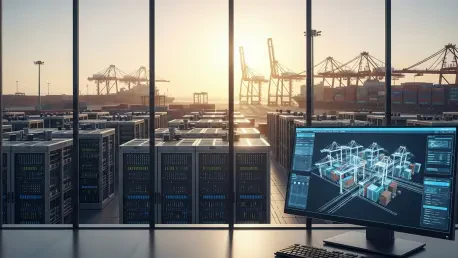
Digital twin technology has introduced a revolutionary way for logistics planners to model their systems without risking actual assets. By creating a high-fidelity virtual replica of a physical logistics network, engineers can conduct exhaustive “what-if” scenarios to see how the system handles stress. This allows for the testing of new routes, the expansion of warehouse capacities, or the introduction of new vehicle types in a purely digital environment. These simulations provide a clear window into the future, helping organizations understand the long-term implications of their strategic choices before they commit significant capital.
Beyond day-to-day operations, these simulations are playing a critical role in long-term infrastructure development. For example, a digital twin can model how a new highway project or an expansion of a major port will interact with existing traffic patterns over the next decade. This foresight is particularly valuable for adapting to shifting consumer behaviors and rapid urban growth, where historical data may not be a sufficient guide. By using data-driven models to plan for the future, stakeholders ensure that the physical infrastructure they build today will be capable of supporting the logistical demands of tomorrow.
Cross-Sectoral Applications and Demographic Insights
The utility of logistics data has expanded far beyond the narrow confines of the supply chain, providing valuable insights into human behavior and regional economics. By analyzing the movement of freight and the patterns of moving services, researchers can identify high-quality signals that indicate where populations are growing or shrinking. For instance, a surge in residential moving activity toward a specific region often precedes traditional economic indicators like employment reports or housing market data. This makes logistics information a powerful tool for community planning and workforce distribution analysis.
Furthermore, the same frameworks used to optimize the delivery of goods are now being applied to understand human migration and regional shifts. When data from transportation networks is layered with economic indicators, it provides a comprehensive view of how regional economies are evolving. This cross-sectoral application demonstrates that the value of digital logistics networks lies not just in efficiency, but in their ability to act as a mirror for society. These insights help policymakers and urban planners make more informed decisions about where to invest in services and how to support developing communities based on real-world movement.
Critical Challenges: Cybersecurity and Digital Resilience
As logistics networks become more interconnected, the technical hurdles related to security have become more complex. The reliance on a shared digital architecture means that a single vulnerability can have a cascading effect across the entire global trade network. Cybersecurity is no longer an IT concern but a fundamental operational requirement, as sophisticated threats target the data that keeps ships moving and warehouses functioning. Protecting this information from tampering or theft is essential for maintaining the integrity of the global supply chain and ensuring that trade remains predictable.
To combat these risks, the industry has turned toward advanced encryption and proactive threat detection systems. These tools are designed to identify anomalies in data traffic that might indicate an attempted breach, allowing for an immediate response to contain the threat. Digital resilience also involves building redundancies into the system so that a localized failure does not lead to total operational paralysis. Ensuring that these networks remain secure requires a constant commitment to innovation, as the methods used by bad actors continue to evolve alongside the technology they target.
Future Outlook: Automation and Physical-Digital Convergence
The next phase of evolution will see a deeper convergence of physical and digital assets through the rise of autonomous freight networks. These systems use intelligent routing software to manage vehicles with minimal human intervention, reducing the cognitive load on operators and decreasing the likelihood of errors. While fully autonomous trucks are still undergoing rigorous testing, the software that guides them is already being used to optimize traditional fleets. This progression toward automation promises to unlock new levels of efficiency, where the system can self-correct in real-time based on continuous feedback loops.
Looking forward, the goal is to create a self-optimizing network that requires very little manual oversight. These systems will be able to identify an upcoming delay and automatically reroute cargo, adjust warehouse schedules, and notify customers without a human ever having to intervene. This level of operational agility will represent the ultimate achievement of the data-driven logistics era. As these technologies mature, they will continue to redefine the boundaries of what is possible, turning the global movement of goods into a nearly invisible, highly efficient utility that serves the entire planet.
Concluding Assessment of Data-Driven Ecosystems
The industry’s shift toward data-centric management proved that physical infrastructure was only as effective as the intelligence guiding it. Organizations that embraced this transformation moved away from reactive, siloed operations and toward a unified digital posture. They successfully leveraged predictive analytics and real-time visibility to minimize waste and maximize the utilization of their existing fleets. This transition confirmed that the ability to process and act upon massive streams of information became the ultimate competitive advantage, allowing smaller players to challenge established giants through superior agility.
Strategic leaders recognized that the most effective path forward involved a commitment to decentralization and heightened digital security. They established a new baseline for global trade where data served as the primary fuel for sustainable growth. This evolution shifted the focus from the mere transit of objects to the management of the complex intelligence generated by their movement. By prioritizing digital resilience and simulation-based planning, the logistics sector transitioned into a more stable and transparent ecosystem. These advancements ultimately reshaped the global landscape, ensuring that the movement of goods and people remained synchronized with the demands of a modern, fast-paced economy.