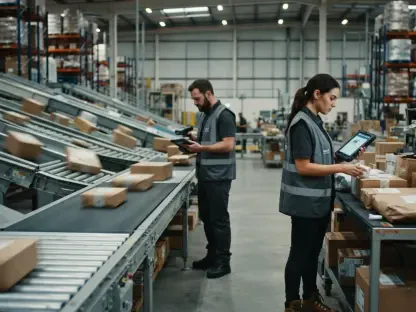
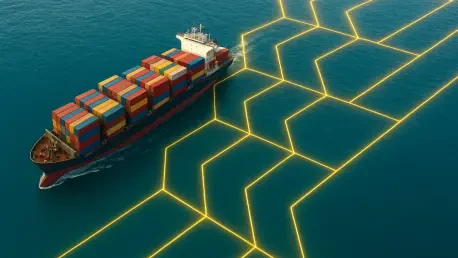
Modern logistics networks are no longer judged by their ability to track a package, but by their capacity to anticipate a disruption before it ever impacts the bottom line. The current state of global supply chains marks a definitive transition from the volatile post-pandemic recovery phase to a
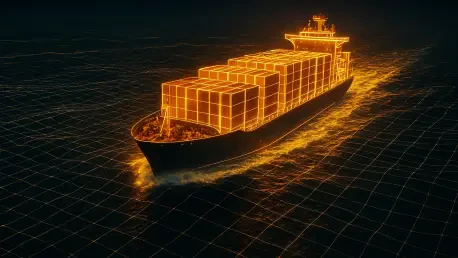
The global movement of goods is no longer a matter of simply watching dots move across a screen; it is now defined by the seamless fusion of information and physical response in real time. Modern logistics operations are rapidly shedding their traditional, fragmented identities to embrace unified
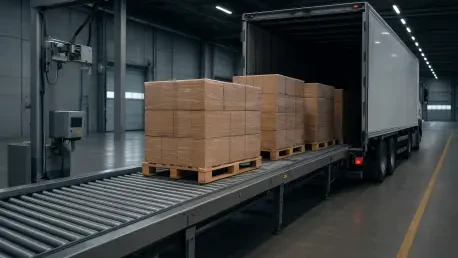
The persistent reliance on manual forklift operations at the loading dock represents a significant invisible bottleneck that often stalls the momentum of even the most sophisticated digital supply chains. While production floors and global shipping routes have undergone radical modernization, the

The modern supply chain has long suffered from a persistent lack of transparency where shipments vanish into digital blind spots during transit across remote oceanic or aerial routes. Historically, logistics providers relied on a checkpoint-based architecture, where visibility was only as good as
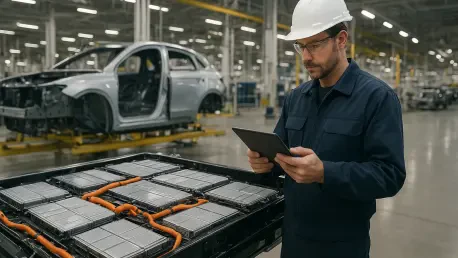
The traditional sound of a humming assembly line is increasingly accompanied by the silent, rapid exchange of data packets as the global automotive industry grapples with a multifaceted workforce polycrisis that threatens to stall production across every major market. This crisis is far more than a
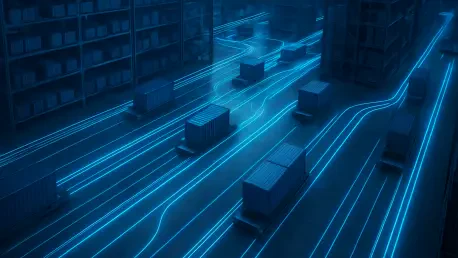
Global industrial networks are currently experiencing a profound structural realignment as artificial intelligence matures from a peripheral experimental tool into the central nervous system of modern logistics operations. This transition marks the end of an era defined by reactive problem-solving