
The adoption of automated inventory systems can mitigate operational risks for high-volume wholesalers by reducing the frequency of stockouts by as much as 90 percent. This advancement is a cornerstone of the modern wholesale industry, which has moved decisively away from the limitations of

The sophisticated veneer of a modern, automated factory floor often conceals a chaotic reality where critical decisions still rely on a fragmented patchwork of manual spreadsheets and brittle PDF documents. While internal operations have reached unprecedented levels of digital maturity, the

Rohit Laila stands at the intersection of traditional logistics and the high-tech future, bringing decades of experience in supply chain management to the rapidly evolving world of autonomous transportation. As an industry veteran who has witnessed the shift from manual paper logs to AI-driven

Despite the urgent need for a new generation of logistical talent, workers aged sixteen to twenty-four currently represent a meager 4.2 percent of the total driving population. This demographic imbalance is not merely a failure of interest from the younger generation but a direct consequence of a

A single miscalculation in a track maintenance schedule can ripple through a national network, triggering cascading delays and multi-million-dollar budget overruns that haunt planners for years. In the current landscape of 2026, the traditional rail planner’s desk is often a chaotic environment of
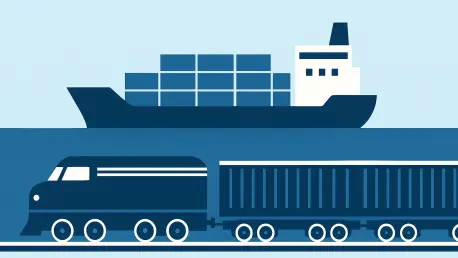
Implementing SAP TM for a logistics service provider requires a complete re-examination of data models compared to the shipper scenarios found at companies like Apple or Microsoft. The global shipping industry has undergone a massive shift as traditional maritime giants seek to become comprehensive