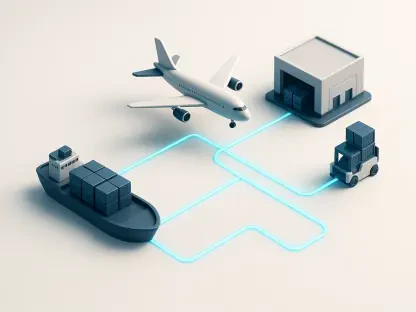
The relentless pursuit of supply chain optimization has forced modern enterprises to choose between the rigid reliability of rule-based systems and the fluid, often opaque intelligence of machine learning. The transition from manual coordination to automated systems has redefined how goods move

Australian manufacturing firms are currently navigating a high-stakes transition by liquidating massive stockpiles to reclaim capital that has been trapped in warehouses for far too long. This strategic pivot reflects a broader movement toward high-efficiency, low-waste operations as businesses
Data-driven pricing signals derived from millions of transactions are replacing traditional intuition as the primary method for valuing vehicle transport loads. For decades, the industry relied on human dispatchers who estimated costs based on seasonal hunches or basic mileage charts, often leading
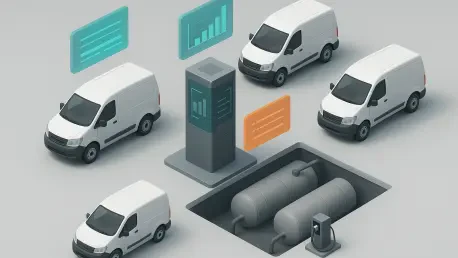
Commercial fleet operators often struggle with fragmented tools for fuel card controls and site operations, a challenge that the Vontier-EKOS merger is designed to eliminate. For years, the industry operated in silos where hardware at the fueling station rarely communicated effectively with the
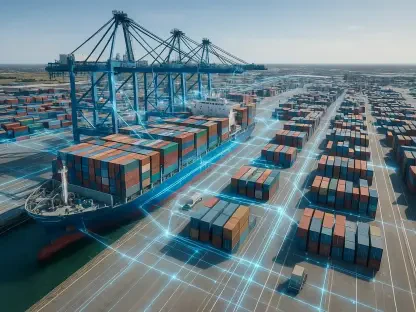
The global freight landscape is undergoing a profound transformation as traditional shipping routes give way to hyper-connected, data-driven corridors that demand unprecedented levels of operational clarity. In this environment, the traditional freight forwarding industry is moving toward a more

The invisible thread that binds a physical product to its digital twin is often the weakest link in a global supply chain, yet modern smart labeling is finally closing the perilous gap between the packaging line and the final warehouse destination. This transition represents more than a simple