
The traditional sound of a humming assembly line is increasingly accompanied by the silent, rapid exchange of data packets as the global automotive industry grapples with a multifaceted workforce polycrisis that threatens to stall production across every major market. This crisis is far more than a simple headcount issue; it is a complex intersection of demographic shifts, technological disruptions, and economic pressures that have arrived simultaneously. As of 2026, the automotive supply chain is no longer just moving physical parts but is managing an intricate web of specialized knowledge and high-tech logistics. The relevance of this topic stems from the fact that without a workforce capable of navigating these complexities, the multi-billion dollar investments in electrification and digitalization remain largely theoretical. This analysis aims to explore the transition from traditional labor concerns to a broader deficiency in specialized skills, providing a comprehensive view of how the industry must evolve to maintain its footing in an increasingly volatile global economy. By examining the roots of these disruptions, stakeholders can better understand why the current environment requires a fundamental rethink of human capital management.
The Evolution of Labor: From Assembly Lines to Algorithmic Logic
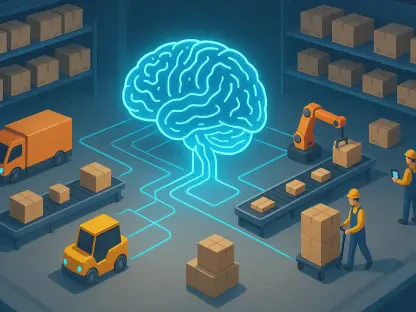
The historical backbone of the automotive industry was built upon a high volume of manual labor that prioritized physical stamina and repetitive precision. For decades, the primary concern for manufacturers was securing enough workers to staff the lines and drive the delivery trucks. However, the foundational shifts that have occurred over the last several years have rendered that model obsolete. The transition from internal combustion engines to electric vehicles (EVs) has stripped away thousands of moving parts, replacing mechanical complexity with software-defined systems and high-voltage electronics. This shift means that the industry no longer needs just “hands” to build cars, but specialized “minds” to manage the digital twins, predictive analytics, and automated material flows that define modern manufacturing.
These background factors matter because the current workforce was largely trained for a mechanical era that is rapidly fading. The convergence of an aging workforce—many of whom possess decades of institutional knowledge but limited digital fluency—with a younger generation that is tech-savvy but lacks industrial experience has created a significant friction point. Moreover, the regulatory landscape has become far more demanding, requiring employees to be well-versed in complex trade compliance and sustainability reporting. As we look at the period from 2026 to 2030, the ability to bridge this gap will determine which companies thrive and which fall victim to the mounting pressures of the polycrisis. Understanding this historical trajectory is essential for grasping why a simple hiring spree will not solve the current deficit; the industry is facing a qualitative skills gap that requires a strategic, long-term overhaul.
Deep Dive Analysis: The Structural Foundations of the Polycrisis
The Capacity Crunch: Economic Strains in Finished Vehicle Logistics
The shortage of drivers in finished vehicle logistics (FVL) serves as the most visible and immediate pressure point within the automotive supply chain. This is not merely a matter of empty seats in truck cabs; it is an economic phenomenon that creates a ripple effect across the entire delivery network. Fewer drivers lead to reduced truck availability, which in turn gives carriers the power to be highly selective about which loads they accept. Manufacturers often find themselves with surplus inventory at the plant gates, unable to reach dealerships because the logistics capacity simply does not exist. Since 2019, European road freight operating costs have surged by approximately 34%, driven by rising fuel prices, equipment maintenance, and insurance premiums.
In contrast, freight rates have only seen an increase of about 22% during that same period. This 12% gap creates a severe margin squeeze that leaves logistics providers with insufficient capital to invest in the very things that would solve the crisis: higher driver wages, better equipment, and modern recruitment programs. This economic compression fosters a cycle of instability where the lack of investment leads to further attrition, which then drives up costs even higher. The problem is exacerbated by the fact that many drivers are nearing retirement age, and the industry has struggled to attract younger talent who often perceive the lifestyle as too demanding. Without a significant realignment of the economic incentives between manufacturers and carriers, this capacity crunch will continue to act as a bottleneck for the entire global market.
Strategic Intelligence: Bridging the Digital Literacy Deficit
While the driver shortage captures the headlines, a more insidious challenge lies in the critical lack of data literacy among supply chain professionals. As the industry moves toward more volatile and unpredictable patterns, the ability to plan ahead has become the only sustainable path to success. Modern logistics roles have undergone a radical transformation, shifting away from traditional spreadsheet reporting toward complex data synthesis. Professionals in 2026 are expected to find correlations within massive datasets, create predictive models, and “tell a story” with data that can drive immediate executive action. However, recent industry data indicates that 28% of respondents view a lack of skills and training as the primary barrier to digital transformation.
To combat this, some forward-thinking manufacturers have begun experimenting with organizational restructuring. For instance, creating specialized innovation teams that operate independently of day-to-day operations allows companies to focus on future-proofing their networks without being distracted by immediate fires. These teams act as a buffer, ensuring that long-term strategic planning continues even when the current supply chain is under stress. The fundamental issue is that technology, no matter how advanced, remains a blunt instrument without human decision-makers who understand how to leverage it. The industry is finding that simply purchasing the latest predictive analytics software is not enough; the workforce must possess the strategic intelligence to interpret that data and make high-stakes decisions in real-time.
Specialized Competency: High-Voltage Readiness and Trade Compliance
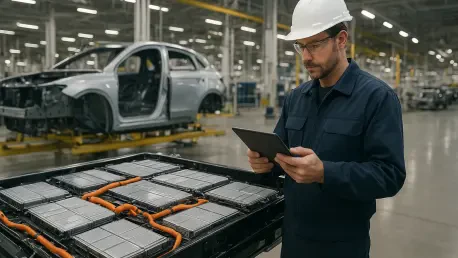
The rapid electrification of the global fleet has introduced a layer of workforce complexity that did not exist a decade ago: the requirement for high-voltage competency. Handling finished electric vehicles and their massive battery packs is not the same as handling traditional cars; it requires specific safety protocols to mitigate fire and chemical risks, particularly in the realm of reverse logistics and service parts. When a battery is damaged or reaches the end of its life, the expertise required to transport it safely is highly specialized. This has led some companies to look toward unconventional talent pools, such as military veterans. Many former service members have experience with high-voltage systems that far exceeds civilian standards, making them ideal candidates for this transition.
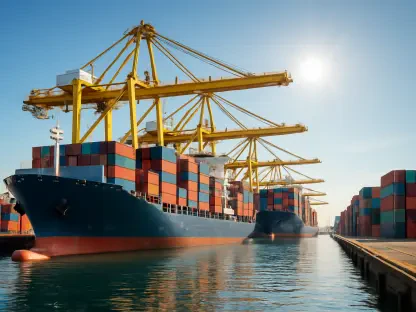
Simultaneously, the geopolitical landscape has transformed trade compliance and customs from a back-office administrative task into a front-line strategic priority. Global trade tensions and fluctuating tariffs mean that a single oversight in customs documentation can cost a manufacturer millions of dollars and weeks of delays. There is currently a notable deficiency in professionals who can effectively communicate these complex regulatory risks to the C-suite. Success in 2026 depends on integrating the customs function across all departments, ensuring that trade experts have a direct seat at the table when strategic decisions are made. The intersection of technical safety requirements and complex trade regulations highlights the multifaceted nature of the skills gap, proving that the modern automotive professional must be a hybrid of technician, strategist, and compliance officer.
Future Trajectories: Automation and the Digital Twin Revolution
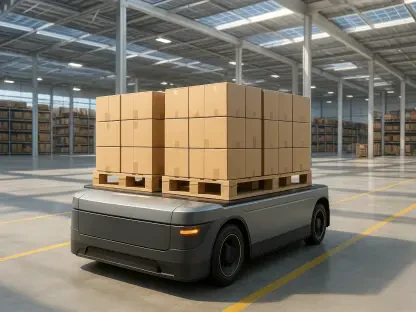
As we look toward the remainder of this decade, the physical demands of automotive labor are being systematically replaced by technical requirements as manufacturing plants become increasingly automated. This is not just about robots on the assembly line; it is about the “smart” management of every square inch of the warehouse. Emerging trends show that major players are utilizing very narrow aisle racking and automated storage and retrieval systems to maximize space and efficiency. This shift requires the on-site workforce to be adept at navigating virtual environments. By using digital twin technology, staff can now simulate material flows and identify potential safety or ergonomic issues in a virtual space before a physical model is even launched. This reduces the risk of costly errors and allows for much faster adaptation to new vehicle designs.
Moreover, the future of the industry will likely be defined by a more collaborative approach to generational knowledge transfer. Forward-thinking companies are moving away from top-down management and instead designing teams where veteran employees and new hires work side-by-side to solve problems. In this model, older workers impart their deep operational wisdom regarding the nuances of the manufacturing process, while younger, digitally native workers assist with the adoption of new software tools. This symbiotic relationship ensures that the industry evolves alongside its technology rather than being replaced by it. From 2026 to 2030, we can expect to see a surge in the use of virtual reality for training, allowing workers to gain high-voltage experience and logistics expertise in a safe, controlled environment. These innovations are not just about efficiency; they are about creating a more resilient and adaptable workforce that can withstand the next wave of global disruption.
Leadership Imperatives: Strategic Frameworks for Workforce Resilience
The workforce polycrisis is not a problem that can be solved with a single initiative; it requires a unified strategy that addresses the interconnected nature of labor, skills, and technology. To build a truly resilient supply chain, industry leaders must prioritize strategic planning over simple execution. This means recognizing that network design—the ability to reconfigure supply chains in response to volatility—is the most valuable skill a professional can possess. Businesses that continue to focus only on the “here and now” of moving goods will find themselves perpetually reactive and vulnerable to the next capacity crunch. Investment in human capital must be treated with the same urgency as investment in new vehicle platforms or factory equipment.
Furthermore, digitalization efforts are doomed to fail if companies invest in software but ignore the training required for employees to use it effectively. Leaders should seek out cross-sector collaboration opportunities to fill specialized gaps, such as partnering with the technology sector for data scientists or the defense sector for electrical technicians. Organizations must also focus on internal mobility, providing clear career paths that allow employees to transition from manual roles into technical or strategic positions as automation takes over the floor. By fostering an environment of continuous learning and by integrating diverse expertise—from the driver’s seat to the data center—businesses can navigate the current volatility with far greater agility. The goal is to create a workforce that is not just a cost center, but a strategic asset that provides a competitive advantage in a crowded global market.
Final Perspective: The Transformative Path Toward Industrial Stability
The automotive sector successfully identified that the workforce polycrisis was not a fleeting disruption but a permanent shift in the industrial paradigm. Organizations that moved beyond reactive measures began to see the fruits of their strategic investments in human capital as they transitioned into this new era. It became clear that the most resilient companies were those that prioritized the human element alongside technological advancement, ensuring that their staff possessed the data literacy and specialized safety skills required for an electrified world. This historical period proved that the quantitative shortage of workers was merely a symptom of a deeper qualitative gap in expertise and strategic foresight.
In retrospect, the industry recognized that bridging the divide between veteran operational knowledge and modern digital fluency was the key to unlocking the full potential of automation. As companies integrated customs and trade compliance into their core strategies, they mitigated the risks of a fragmented global market and secured more stable delivery timelines. The shift toward specialized recruitment, including the successful integration of military veterans into high-voltage roles, provided a blueprint for other sectors facing similar crises. Ultimately, the most significant lesson learned was that the strength of the automotive supply chain did not lie in its machines, but in the people who had the vision to manage them. By addressing the root causes of the skills deficit and fostering a culture of continuous adaptation, the industry transformed a period of unprecedented volatility into a foundation for long-term global stability. The focus on human ingenuity remained the most critical factor in ensuring that the vehicles of the future reached their destinations safely and efficiently.