
Navigating the intricate web of global commerce in the final quarter of the year requires a sophisticated understanding of how regional instabilities and seasonal demand surges intersect within the India, Middle East, and Africa corridor. The September 2026 market update reveals a logistics environment defined by a relentless tug-of-war between geopolitical volatility and high-volume trade windows. As the industry moves deeper into the second half of the decade, the convergence of these forces demands a departure from traditional, reactive troubleshooting. Instead, success now hinges on proactive, data-driven strategies that prioritize agility over fixed scheduling. This analysis explores the critical need for operational flexibility in an era where established routes and equipment availability are under constant pressure from local and global events. By examining the current state of ocean, land, and air transport, the objective is to provide a comprehensive roadmap for businesses aiming to maintain supply chain integrity amidst these multifaceted disruptions.
Adapting to the Complexities of a Shifting Logistics Landscape
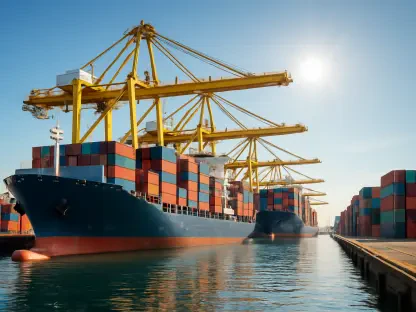
The logistics landscape of the current year is not merely a continuation of historical trends but a transformation into a “permacrisis” state where multiple disruptions occur simultaneously. In the India, Middle East, and Africa (IMEA) region, this means managing the fallout from maritime route restrictions while simultaneously preparing for the massive equipment requirements of the African harvest. The current market update emphasizes that while global demand for consumer electronics and retail goods remains robust, the capacity to fulfill this demand is increasingly constrained by physical and political geography. Shippers are finding that traditional hubs are becoming bottlenecks, necessitating the exploration of alternative gateways and multi-modal solutions.
Furthermore, the rise of specialized cargo, such as temperature-sensitive pharmaceuticals and high-value automotive components, has added a layer of complexity to regional logistics. These sectors require not just space on a vessel or aircraft, but a guaranteed cold chain and high-security handling. The transition toward a more integrated, “lead logistics” approach is becoming the standard for companies looking to mitigate the risks of lost inventory or delayed product launches. This shift is particularly evident in the Middle East, where the focus has moved from simple port-to-port transport toward comprehensive end-to-end visibility and integrated customs solutions that can bypass local congestion.
The Foundation of Current IMEA Trade Dynamics
To grasp the challenges facing the region in late 2026, one must appreciate the geographical and structural shifts that occurred between 2023 and 2025. During those years, persistent instability in Middle Eastern maritime passages forced a structural realignment in how global carriers approach vessel routing and port rotations. These developments created a “new normal” where longer transit times are expected and buffer periods have become an essential component of any logistics plan. The physical constraints of geography, such as the reliance on narrow straits and specific deep-water ports, continue to dictate the pace of global trade despite significant technological advancements in vessel design.
Moreover, the historical development of infrastructure in Africa has created a landscape where inland transit often represents a more significant challenge than the ocean leg of a journey. Past efforts to modernize rail and road corridors in East and Southern Africa have met with varying degrees of success, leaving a fragmented system that is easily overwhelmed during peak agricultural seasons. Understanding this background is vital for shippers because it explains why capacity remains tight and why localized equipment shortages are a recurring theme. The legacy of these infrastructural limitations means that even as demand grows, the “pipes” of the supply chain remain narrow, requiring meticulous coordination between sea and land operations.
Ocean Freight and the Surge of Seasonal Demand
The High Stakes of African Agricultural Cycles
Ocean freight in the IMEA region is currently dominated by the high-volume demands of the West African cocoa sector. As the 2026/27 cocoa season begins in nations like Côte d’Ivoire and Ghana, there is an immediate and intense need for food-grade 20-foot containers. This demand is further complicated by weather-related risks, specifically potential El Niño events that threaten to disrupt crop yields and make volume forecasting a significant challenge for exporters. Logistics providers have responded by establishing localized supply plans in hubs like Abidjan and San Pedro to ensure that equipment is positioned precisely where and when the harvest begins, illustrating the necessity of aligning physical assets with biological cycles.
Beyond cocoa, the demand for bulk and containerized agricultural exports is straining the capacity of regional feeder networks. In Central Africa, the export of timber and mineral resources competes with the food sector for limited vessel space. This competition creates a volatile pricing environment where those who fail to secure bookings weeks in advance may find themselves sidelined. The current strategy for major carriers involves balancing these heavy-export regions with the import needs of urban centers, a logistical puzzle that requires real-time adjustments to vessel schedules to avoid empty-running or prolonged port stays.
Managing Perishables in East and South Africa
In East and South Africa, the logistics focus has shifted toward refrigerated (reefer) transport as mango, pulse, and grape seasons overlap. In Tanzania, a concentrated peak in pulse exports is currently straining vessel bookings, while South African exporters are initiating contract discussions well in advance to secure space for the upcoming grape harvest. The primary hurdle in these regions is the uneven performance of port and rail infrastructure. To mitigate the risk of spoilage for temperature-sensitive goods, companies are emphasizing meticulous planning and the inclusion of significant lead times to account for potential delays at transfer points between rail and road.
The maintenance of the cold chain is also under pressure from the energy costs associated with reefer monitoring. Innovations in remote container management (RCM) have allowed for better visibility into the health of perishable cargo, but the physical movement through congested ports like Durban or Dar es Salaam remains a risk factor. Consequently, many shippers are turning to “sea-air” combinations for high-value perishables, using ocean freight for the bulk of the journey and air freight for the final, time-critical leg. This hybrid approach allows for a balance between cost-efficiency and the speed required to ensure that products reach European and Middle Eastern markets in optimal condition.
Overcoming Congestion in Middle Eastern Hubs
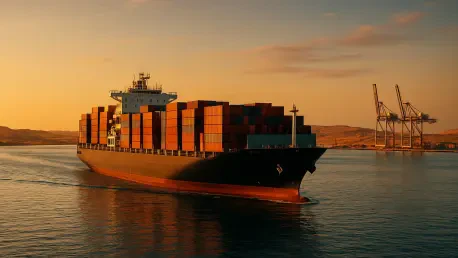
Geopolitical shifts have led to a significant bottleneck effect in major ports such as Jeddah and King Abdullah Port. The surge in cargo flow through these gateways, often as a result of diverted routes, has resulted in extended truck turnaround times and slower container returns. This situation ripples through the entire supply chain, causing equipment shortages in other parts of the network as containers remain trapped in congested terminal yards. While efforts are being made to add terminal-yard support and increase trucking capacity, the pace of delivery remains heavily dependent on the readiness of customs documentation and the efficiency of local border crossings.
To alleviate this pressure, new relief valves are being developed, such as the expanded bonded export capabilities in the United Arab Emirates. These facilities at ports like Khor Fakkan and Fujairah allow cargo to move under customs control, providing much-needed flexibility for regional trade. By utilizing these bonded zones, shippers can store goods closer to their final destination without immediate duty payments, allowing for better inventory management during periods of high congestion. This evolution in the UAE’s logistics infrastructure is a direct response to the need for “buffer” capacity in a region where traditional transit paths are frequently disrupted.
Future Trends Shaping IMEA Logistics
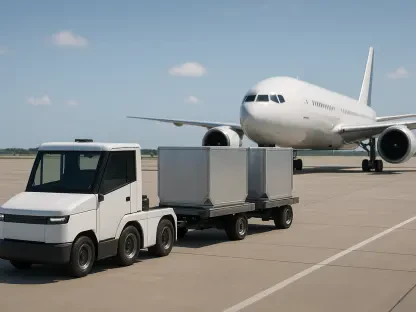
As the industry moves toward 2027, several emerging trends are set to redefine the IMEA landscape. Technological integration is at the forefront, with digital tools like visibility platforms becoming standard requirements for risk management. These platforms allow for real-time tracking and disruption alerts, turning fragmented data into actionable insights that can prevent supply chain failures. Furthermore, there is a clear shift in the air freight sector, where “speed-to-market” demand for electronics and pharmaceuticals is driving an increase in dedicated freighter services, particularly in India. This move is designed to offset the limited passenger belly-hold capacity that has plagued the region in recent months.
Regulatory changes regarding fuel standards and carbon reporting in the Middle East are also expected to impact cost structures in the coming years. As nations in the Gulf accelerate their transition toward sustainable energy, the shipping and aviation industries are being pushed toward more efficient transport models. This regulatory pressure is likely to lead to a consolidation of services, with a greater focus on optimized routing and the use of alternative fuels. Additionally, the development of “digital twins” for entire port ecosystems is expected to improve the predictive capabilities of terminal operators, allowing them to simulate and prepare for potential disruptions before they manifest in the physical world.
Strategic Recommendations for Global Shippers
To navigate this complex environment successfully, businesses must adopt a planning philosophy that prioritizes resilience over sheer efficiency. First and foremost, early forecasting is essential; sharing cargo-ready dates with carriers as soon as possible is the only way to guarantee equipment during peak harvest seasons in Africa. Secondly, shippers should maintain flexibility in their routing, considering alternative ports or sea-air combinations to bypass known congestion zones. The ability to pivot between different transport modes is no longer a luxury but a fundamental requirement for maintaining a steady flow of goods.
Furthermore, ensuring documentation readiness and aligning customs clearance with transport schedules can significantly reduce transit velocity issues. In many cases, delays are not caused by a lack of physical capacity but by administrative hurdles that prevent the timely release of cargo. Finally, investing in advanced visibility tools will provide the transparency needed to manage stakeholder expectations and make informed decisions during crises. By applying these best practices, professionals can mitigate the risks associated with infrastructure bottlenecks and unpredictable route changes, ensuring that their supply chains remain robust in the face of ongoing regional instability.
Resilience Through Visibility and Proactive Planning
The examination of the IMEA market in late 2026 demonstrated that the industry operated within a framework of intense activity and significant operational complexity. The analysis showed that while the demand for Indian manufactured goods and African exports remained a bright spot in the global economy, the physical movement of these products required a more sophisticated, tech-enabled approach than in previous years. It was observed that visibility and early planning were no longer optional but had become the foundations of supply chain resilience. The study of regional dynamics revealed that the successful navigation of these corridors depended on the ability to anticipate disruptions before they materialized in terminal yards or at border crossings.
The assessment of the current logistics landscape identified that the “just-in-case” model proved more effective than traditional lean strategies during periods of peak seasonal demand. The strategic focus shifted toward building redundant pathways and utilizing digital twins to simulate various disruption scenarios. It was concluded that those who integrated these methodologies secured a significant competitive advantage in the marketplace. As the industry continued to evolve, the ability to adapt to the geographical and geopolitical challenges of the Middle East while navigating the infrastructural limitations of Africa was recognized as the primary driver for long-term success. The findings suggested that the future of global trade in the region would be defined by the seamless integration of physical assets and digital intelligence.