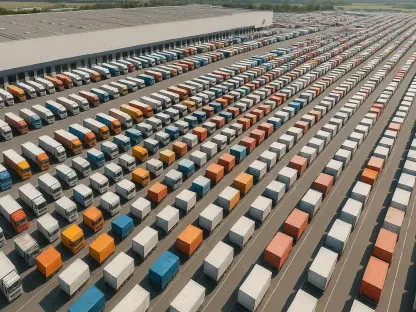

The relentless pressure of meeting global consumer demands in a hyperconnected economy has transformed supply chain management from a background utility into the very heartbeat of corporate viability and international relations. In the current landscape of 2026, the profession has transcended simple logistics, evolving into a sophisticated discipline where technology, strategy, and resilience converge. Organizations now recognize that the ability to navigate complex global networks is not merely an operational requirement but a fundamental competitive advantage that dictates market share and long-term sustainability. Consequently, the demand for highly skilled professionals who can manage these intricate systems has reached unprecedented heights, leading to a renewed focus on specialized education and professional validation through industry-recognized certifications.
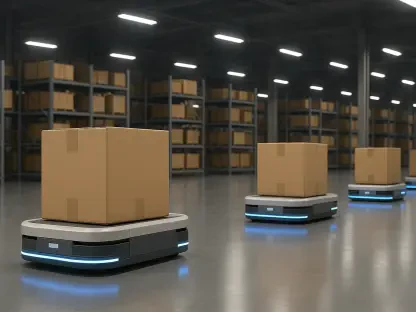
Modern supply chain management encompasses a vast and diverse ecosystem that coordinates the flow of goods, services, information, and capital across international borders. This ecosystem is characterized by its immense scope, ranging from the extraction of raw materials to the final delivery at a consumer doorstep. Significant market players, including global retail giants and specialized logistics providers, have integrated advanced robotics and artificial intelligence to streamline their operations. This integration has redefined the traditional boundaries of the industry, making it a critical segment of global commerce that supports virtually every other economic sector. Furthermore, the significance of this field is underscored by its role in ensuring societal stability, as efficient supply chains are essential for the distribution of food, medicine, and energy.
Technological influences continue to reshape the segments of the industry, with a particular emphasis on real-time visibility and end-to-end transparency. Market players are increasingly adopting decentralized ledger technologies and automated warehouse solutions to mitigate errors and enhance speed. Regulatory environments have also become more complex, requiring practitioners to be well-versed in a variety of international trade laws and environmental standards. As businesses strive to optimize their value chains, the significance of a well-coordinated supply network remains a strategic pillar that enables organizations to respond rapidly to market fluctuations and consumer preferences. This dynamic environment necessitates a professional workforce that is both technically proficient and strategically minded, capable of managing the various segments of the modern ecosystem with precision and foresight.
The Modern Supply Chain Ecosystem: A Strategic Pillar of Global Commerce
The contemporary supply chain is defined by its multifaceted nature, acting as the bridge between production and consumption on a global scale. It is no longer a linear sequence of events but a complex, interconnected web of relationships where information flows as rapidly as physical products. In 2026, the strategic importance of this ecosystem is highlighted by the sheer volume of data generated at every node, from manufacturing sensors to delivery drones. This data-rich environment allows companies to move toward a more proactive management style, where potential bottlenecks are identified and addressed before they can disrupt the flow of commerce.
Within this ecosystem, the roles of procurement, production, and distribution have become increasingly specialized yet deeply integrated. Supply chain professionals are responsible for managing these diverse segments while ensuring that the overall strategy remains aligned with corporate goals. The influence of major technology providers has introduced new tools for network optimization, allowing for more efficient use of resources and reduction of waste. These advancements are particularly relevant as organizations face growing pressure to demonstrate environmental responsibility and ethical sourcing practices. As a result, the significance of the supply chain as a pillar of global commerce is more pronounced than ever, demanding a level of expertise that goes beyond basic logistics.
Moreover, the modern ecosystem is subject to a variety of external influences, including shifting trade policies and fluctuating economic conditions. Market players must remain agile, adapting their strategies to accommodate new regulations and changing consumer behaviors. The rise of e-commerce and the expectation for near-instantaneous delivery have placed additional strain on distribution networks, necessitating innovative solutions in last-mile logistics. In this context, the supply chain professional acts as a strategic architect, designing and managing systems that are robust enough to withstand external shocks while remaining flexible enough to capitalize on new opportunities. The ability to manage these complexities is a hallmark of the modern practitioner, making professional development and certification essential for those seeking to excel in this vital field.
Navigating the Dynamic Shifts in Global Logistics and Trade
Emerging Technologies and the Rise of the Data-Driven Professional
The integration of advanced technologies has fundamentally altered the professional landscape of global logistics, giving rise to a new breed of data-driven specialists. In 2026, the use of predictive analytics and machine learning has become standard practice, allowing professionals to forecast demand with high accuracy and optimize inventory levels across global networks. This technological shift has created a significant demand for individuals who can bridge the gap between traditional supply chain principles and modern data science. The rise of the digital twin, a virtual replica of a physical supply chain, allows for extensive simulation and testing of various scenarios, providing practitioners with the tools to make more informed decisions and mitigate risks effectively.
As consumer behaviors continue to evolve toward more personalized and immediate experiences, the logistics industry has had to adapt by incorporating real-time tracking and automated communication systems. These emerging technologies provide a level of transparency that was previously unattainable, allowing for better coordination between suppliers, carriers, and customers. The market is increasingly driven by the need for speed and reliability, and those who can leverage technology to meet these expectations are finding significant opportunities for career advancement. The influence of the Internet of Things is particularly notable, as sensors and connected devices provide continuous streams of data that can be used to monitor the health and performance of the entire value chain.
Furthermore, the data-driven professional is increasingly involved in strategic decision-making, using insights gained from technological tools to drive innovation and efficiency. The ability to interpret complex datasets and translate them into actionable strategies is a critical skill in the current market. As technology continues to advance, new opportunities are emerging in areas such as autonomous transportation and blockchain-enabled trade finance. These drivers are pushing the industry toward a more integrated and automated future, where the human element remains essential for oversight, strategy, and ethical management. The successful professional must therefore be committed to continuous learning, ensuring they remain at the forefront of these technological shifts.
Economic Projections and the Rising Demand for Skilled Logisticians
Current market data indicates a robust growth trajectory for the supply chain sector, with a significant increase in the demand for skilled logisticians projected from 2026 to 2035. This demand is fueled by the continued expansion of global trade and the increasing complexity of international logistics networks. Economic performance indicators show that organizations are allocating larger portions of their budgets to supply chain optimization, recognizing it as a key driver of profitability. Consequently, the employment outlook for professionals in this field is exceptionally positive, with growth rates expected to significantly exceed the average for all other occupations. This trend is particularly evident in sectors such as technology, healthcare, and retail, where the efficient movement of goods is a critical component of the business model.
Financial rewards for supply chain professionals have also seen a steady upward trend, reflecting the high level of responsibility and specialized knowledge required for these roles. Median salaries for supply chain managers have reached impressive levels, often supplemented by performance-based incentives and comprehensive benefit packages. As the industry continues to grow, the need for individuals with advanced certifications and specialized training will only intensify. Forward-looking forecasts suggest that the market will continue to prioritize professionals who can demonstrate a mastery of both traditional logistics and modern analytical tools. This economic landscape provides a strong incentive for individuals to invest in their professional development, as the potential for career growth and financial stability remains high.
In addition to traditional roles, new career paths are emerging in areas such as sustainability management and supply chain risk analysis. These roles are becoming increasingly important as organizations seek to navigate a more volatile global economy and meet growing regulatory requirements. The demand for expertise in these areas is expected to grow from 2026 through the end of the decade, providing even more opportunities for specialized professionals. As the global economy becomes more interconnected, the role of the logistician will continue to evolve, becoming even more central to the success of businesses worldwide. The ongoing shift toward digital and sustainable operations will further drive this demand, ensuring that the supply chain remains a vibrant and essential part of the global economic landscape.
Overcoming Critical Obst rethink Obstacles in Modern Value Chains
The modern supply chain faces a variety of complex challenges that require strategic thinking and innovative solutions to overcome. Geopolitical volatility and regional instabilities can lead to sudden disruptions in the flow of goods, necessitating the development of more resilient and diversified networks. In 2026, the shift from just-in-time to just-in-case inventory strategies has become a common approach to mitigate these risks, though it introduces its own set of complexities related to inventory carrying costs and storage capacity. Supply chain professionals must balance the need for efficiency with the requirement for robustness, ensuring that their systems can withstand unexpected shocks without compromising service levels.
Technological obstacles also present significant hurdles, particularly in the areas of cybersecurity and data integration. As supply chains become more digitized, they become more vulnerable to cyberattacks that can disrupt operations and compromise sensitive information. Ensuring the security of the digital infrastructure is a paramount concern for organizations, requiring the implementation of advanced security measures and the training of personnel in best practices for data protection. Moreover, the integration of disparate systems across different organizations can be a difficult task, as legacy technologies often struggle to communicate with modern platforms. Overcoming these technological barriers requires a concerted effort to standardize data formats and invest in interoperable solutions.
Labor shortages and the need for specialized skills remain persistent challenges across the industry. As the demand for skilled professionals grows, organizations are finding it increasingly difficult to recruit and retain the talent they need to manage their complex operations. This issue is compounded by the rapid pace of technological change, which requires constant upskilling of the existing workforce. To address these challenges, companies are investing in internal training programs and partnering with educational institutions to develop a pipeline of qualified candidates. Furthermore, the use of automation and robotics is being explored as a way to supplement the workforce and improve efficiency in labor-intensive areas such as warehousing and distribution. Strategic human resource management is therefore a critical component of a successful supply chain operation, ensuring that the organization has the right people with the right skills to meet its goals.
The Regulatory Framework and the Importance of Global Compliance
Navigating the regulatory landscape is a fundamental aspect of supply chain management, as compliance with international laws and standards is essential for maintaining the flow of global trade. In 2026, the regulatory framework has become increasingly stringent, with a focus on environmental sustainability, ethical sourcing, and national security. Organizations are required to adhere to a variety of standards, such as those related to carbon emissions and labor practices, across their entire global networks. Failure to comply with these regulations can result in significant financial penalties, legal liabilities, and damage to a company’s reputation. Consequently, professionals must possess a deep understanding of the regulatory environment and the ability to implement effective compliance programs.
The importance of global compliance is further highlighted by the increasing focus on supply chain transparency and traceability. Governments and consumers alike are demanding more information about the origins of products and the conditions under which they were produced. This has led to the implementation of new laws that require companies to conduct thorough due diligence on their suppliers and report on their findings. To meet these requirements, organizations are utilizing technologies such as blockchain to create immutable records of every transaction in the supply chain. This level of transparency not only ensures compliance but also builds trust with consumers and stakeholders, providing a significant competitive advantage in the modern market.
Security measures have also become a key component of the regulatory framework, particularly in the context of international shipping and cross-border trade. Programs such as the Customs-Trade Partnership Against Terrorism continue to play a vital role in securing global supply chains against external threats. Professionals must ensure that their operations meet the security standards set by these programs, which involve rigorous assessments and continuous monitoring of supply chain partners. The integration of security and compliance into the overall supply chain strategy is essential for minimizing disruptions and ensuring the smooth movement of goods. As the regulatory landscape continues to evolve, the ability to stay ahead of these changes and maintain a high level of compliance will remain a critical skill for any successful practitioner.
Future-Proofing Careers: Innovation and the Next Generation of SCM
As the industry moves toward an increasingly automated and data-centric future, the need for continuous innovation becomes paramount for those seeking to future-proof their careers. The next generation of supply chain management will likely be defined by the widespread adoption of autonomous systems, ranging from self-driving trucks to fully automated distribution centers. These technologies will require a workforce that is not only capable of managing these machines but also skilled in the strategic oversight and ethical considerations that accompany their use. Professionals who can anticipate these shifts and develop the necessary technical and leadership skills will be well-positioned to lead the industry in the coming years.
Emerging technologies like quantum computing also hold the potential to revolutionize the way supply chains are optimized. The ability to process vast amounts of data and solve complex logistical problems in a fraction of the time currently required could lead to unprecedented levels of efficiency. While these technologies are still in the early stages of adoption in 2026, forward-thinking professionals are already beginning to explore their potential applications and implications. Furthermore, the move toward a circular economy, where resources are reused and recycled to minimize waste, will create new opportunities for innovation in supply chain design and management. This shift will require a fundamental rethinking of traditional value chains, with a focus on long-term sustainability and resource efficiency.
Consumer preferences will also continue to drive innovation, as the demand for more sustainable and ethically produced goods grows. Future supply chain managers will need to be experts in managing the complexities of a transparent and responsible supply network, balancing the need for cost-effectiveness with the requirement for environmental and social responsibility. The ability to leverage innovation to meet these dual objectives will be a key differentiator in the market. Global economic conditions and evolving regulations will also play a significant role in shaping the future of the industry, requiring professionals to remain adaptable and informed. By embracing innovation and focusing on continuous improvement, the next generation of supply chain leaders can ensure they remain at the cutting edge of this dynamic and essential field.
Strategic Roadmap for Professional Excellence and Career Investment
Achieving professional excellence in the field of supply chain management requires a strategic approach to career investment and continuous learning. For those operating in 2026, the most effective roadmap involves a combination of academic foundation, hands-on experience, and specialized professional certifications. These credentials serve as a powerful signal to employers, validating an individual’s expertise and commitment to industry best practices. Among the various options available, several certifications have established themselves as the gold standards for professionals seeking to advance their careers and command higher salaries in a competitive market.
The Certified in Logistics, Transportation, and Distribution credential remains a premier choice for those focused on the downstream segments of the supply chain. This certification provides a deep dive into the mechanics of warehousing and distribution, equipping professionals with the tools to design efficient networks and manage global logistics operations. Similarly, the Certified Supply Chain Professional designation offers a comprehensive end-to-end view of the field, making it an ideal choice for those seeking high-level management roles. These certifications, provided by organizations such as the Association for Supply Chain Management, are globally recognized and highly valued by leading corporations for their rigorous standards and practical relevance.
For practitioners specializing in procurement and sourcing, the Certified Professional in Supply Management offers a robust validation of their skills in strategic sourcing and vendor management. This certification emphasizes the integration of supply management with broader corporate strategy, ensuring that professionals can contribute to the overall success of the organization. Additionally, the SCPro series provides a tiered approach to professional development, allowing individuals to progress from foundational knowledge to advanced analysis and strategic leadership. By carefully selecting the certifications that align with their career goals and investing in the necessary training and examination, professionals can build a strong foundation for long-term success.
The landscape of 2026 has shown that the path to a rewarding career in supply chain management was built on a foundation of agility and specialized knowledge. The most successful practitioners in the industry recognized the importance of staying ahead of technological and regulatory changes, using their certifications as a framework for continuous improvement. The industry saw a marked increase in the implementation of data-driven strategies, which in turn placed a higher premium on those who held advanced credentials. By focusing on both the technical and strategic aspects of the profession, these individuals were able to navigate the complexities of global trade with confidence. Future considerations for the field suggested that the intersection of sustainability and technology would remain a key area for growth, providing new opportunities for those who stayed committed to their professional development. The findings of this report emphasized that the commitment to excellence was not a one-time effort but a lifelong pursuit that yielded significant rewards for both the individual and the organization. Professionals who took proactive steps to invest in their education and certification were better equipped to handle the challenges of a volatile market, ensuring their continued relevance and leadership in the years that followed. This strategic roadmap provided a clear direction for those seeking to make a meaningful impact on the global supply chain, highlighting the essential role of specialized expertise in achieving professional success.