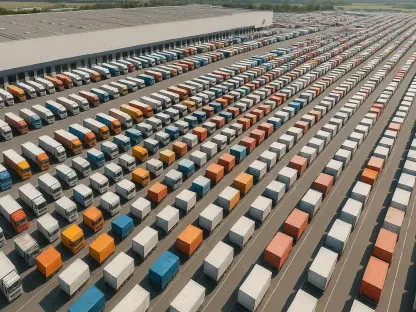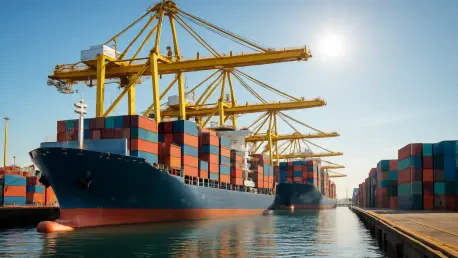

Egypt is currently reconfiguring the very foundations of global logistics by weaving together its ancient maritime heritage with a high-tech network of eight integrated international corridors. This strategic evolution leverages a unique geographical position as a bridge between three continents, turning a natural advantage into a structured economic engine. The Ministry of Transport and the Suez Canal Authority are spearheading this transformation to ensure the nation serves as more than just a passage for ships.
Stakeholders are now focusing on a sophisticated multimodal transit ecosystem that integrates seaports, dry ports, and industrial zones. By shifting away from traditional, isolated port operations, the state is creating a seamless flow of goods through specialized corridors like the Arish–Taba and Sokhna–Alexandria routes. This integrated approach aims to lower logistics costs while significantly increasing the efficiency of cargo movement across the Mediterranean and Red Sea regions.
Decoding Trends and the Data-Driven Rise of Egyptian Ports
Technological Integration and Shifting Trade Corridors
Modernized highway networks and high-speed electric rail systems are currently serving as the new backbone for transcontinental cargo movement. These infrastructure upgrades allow for the rapid transfer of goods between coastal hubs and inland centers, facilitating a faster pace of trade than previously possible. Furthermore, evolving consumer behaviors are increasingly favoring these multimodal paths over traditional maritime-only routes due to their lower costs and enhanced reliability.
The industry is also pivoting toward Green Shipping, with major ports adopting shore-side electricity and exploring low-emission marine fuels. This transition is essential for maintaining a competitive edge as global shipping alliances prioritize environmental sustainability in their logistics chains. By integrating these green technologies, Egyptian ports are positioning themselves as forward-thinking partners for international maritime commerce.
Quantifying Success and Growth Projections for 2030
Recent performance indicators demonstrate a strong trajectory, highlighted by a 12% increase in cargo volume and a 25% surge in container throughput. Current data shows that ports handled approximately 11.1 million TEUs over the past year, reflecting the successful expansion of berth capacities and depths. Egypt now holds the 19th position on the UNCTAD Liner Shipping Connectivity Index, marking a significant step toward its goal of entering the top 15.
The roadmap for the next few years involves an ambitious 100-million-square-meter port expansion project to accommodate rising demand. Berth lengths are set to exceed 100 kilometers, with depths reaching 25 meters to host the largest modern vessels in the global fleet. These expansions are projected to yield substantial economic returns by solidifying the nation’s status as a primary transit hub.
Navigating Structural Obstacles and Global Competitiveness
Integrating massive dry ports with existing maritime infrastructure remains a complex task that requires precise regulatory and digital coordination. Additionally, regional geopolitical volatility often impacts Suez Canal traffic, necessitating robust risk mitigation strategies to ensure consistent trade flows. High capital requirements for fleet modernization also pose a challenge as the state seeks to expand its commercial fleet to 40 vessels.
Competitive pressures from alternative regional trade routes require a constant focus on maintaining operational dominance through superior service. Egypt is countering these pressures by investing heavily in digital transformation to reduce cargo handling times. By streamlining the interface between different transport modes, the nation aims to offer a value proposition that competitors find difficult to replicate.
The Regulatory Framework and International Compliance Standards
The Ministry of Transport is currently aligning domestic maritime laws with International Maritime Organization standards to foster global trust. These regulatory reforms are designed to streamline customs procedures and provide lucrative incentives for foreign direct investment in logistics zones. Digital governance protocols have also been introduced to safeguard transit trade and improve the transparency of international shipments.
Impactful Green Port regulations are ensuring long-term operational compliance with international environmental treaties. These measures not only protect the local ecosystem but also strengthen partnerships with global shipping giants who are committed to decarbonization. Such regulatory agility is vital for maintaining a modern and attractive investment climate.
The Future Horizon: Egypt as a Multimodal Powerhouse
Transcontinental routes like the Bernice–Aswan–N’Djamena corridor are expected to unlock significant opportunities within African markets. Strategic partnerships with global leaders like Maersk, MSC, and CMA CGM are already securing high transit volumes and long-term stability for the new corridors. Additionally, the integration of AI in port logistics and the development of green hydrogen hubs are set to act as major market disruptors.
Future growth is also anticipated in value-added logistics services within industrial, agricultural, and mining zones. By processing goods in transit, Egypt can capture more value within its borders before shipping products to final destinations. This holistic approach ensures that the logistics corridors contribute directly to national industrialization and economic diversification.
Final Assessment: Egypt’s Prospect as a Global Trade Linchpin
The final assessment demonstrated that Egypt’s strategic investment in the eight logistics corridors provided a resilient framework for international trade. The findings indicated that the focus on multimodal connectivity and sustainability effectively positioned the nation to achieve its 2030 vision. Policymakers successfully addressed structural bottlenecks by aligning domestic regulations with global maritime standards.
Strategic recommendations for investors emphasized the importance of engaging with the newly developed industrial and agricultural zones. The transition into a premier global hub appeared well-supported by the significant rise in container throughput and infrastructure capacity. Ultimately, the nation’s roadmap offered a clear path for those seeking to capitalize on the shifting dynamics of global commerce.