
The relentless evolution of international trade corridors has transformed the European continent into a premier theater for high-stakes corporate consolidation and strategic infrastructure investment. By late 2026, the logistics landscape has moved beyond simple delivery services, evolving into a complex web of integrated platforms and specialized networks. Data from recent months indicates a significant concentration of activity within the region, with Europe accounting for over forty percent of global logistics transactions. This surge is not merely a reaction to market pressures but a calculated effort by industry leaders to secure a competitive edge in a world where speed, specialized handling, and infrastructure control are the ultimate currencies of success.
Market Dynamics: The Strategic Shift in European Logistics M&A
The current volume of deal-making reflects a fundamental pivot in how global entities perceive value. While other major markets have seen steady activity, Europe has pulled ahead by facilitating deals that prioritize operational depth over mere geographic reach. Of the sixty-two major logistics transactions recorded recently, twenty-five occurred within European borders, narrowly outpacing the North American market. This concentration of capital suggests that the region remains the most critical testing ground for supply chain resilience. Investors are no longer just looking for generic freight solutions; they are aggressively targeting firms that provide immediate access to specialized labor, modern equipment, and strategic regional corridors.
Industry Evolution: From Fragmentation to Modern Consolidation
Historically, the European market operated as a patchwork of regional family-owned businesses, each dominating a small slice of the logistical pie. However, the pressures of the last few years—including rapid e-commerce expansion and significant regulatory shifts—have made such fragmentation unsustainable. Large-scale operators are now moving to consolidate these smaller players into cohesive, “megatransport” entities. This transition is essential for meeting the demands of a globalized economy that requires seamless, cross-border visibility and integrated digital tracking. By absorbing high-performing regional firms, larger conglomerates are successfully building the scale necessary to negotiate better rates and provide the reliability that modern consumers and industrial partners demand.
Operational Drivers: Capacity and Specialization as Growth Engines
Growth in the current environment is predicated on two main pillars: the acquisition of physical capacity and the expansion into high-margin specialized niches. The focus has shifted from owning the most trucks to owning the right expertise and the infrastructure that supports it.
Road Freight: Scaling Through Regional Consolidation
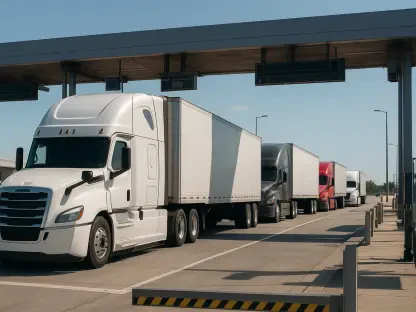
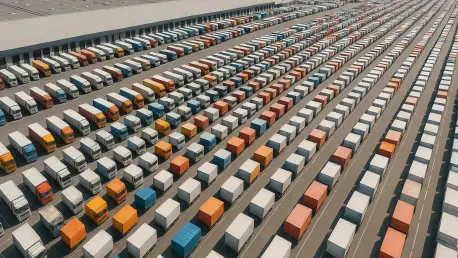
In the road freight sector, consolidation is the primary method for bypassing the challenges of labor shortages and equipment scarcity. A prime example is the acquisition of Germany’s CTJ Janssen by the Belgian giant JOST. By integrating a firm with four hundred trucks and hundreds of experienced employees, JOST did not just expand its reach; it secured a massive influx of immediate operational capacity. This type of deal allows larger entities to achieve significant economies of scale, providing them with the leverage needed to maintain dominance in Europe’s industrial heartlands while offering more predictable service schedules for international clients.
Specialized Logistics: The High-Margin Appeal of Niche Markets
Beyond general haulage, there is a distinct trend toward acquiring expertise in temperature-controlled logistics and healthcare supply chains. Firms like the Paulo Duarte Group have expanded their cold-chain capabilities to capture the lucrative pharmaceutical and food security sectors. Similarly, the entry of Constellation Cold Logistics into the Polish market highlights a strategic focus on Central and Eastern Europe. These specialized niches offer much higher margins than commoditized general cargo, as they require sophisticated infrastructure and rigorous compliance standards that act as a barrier to entry for smaller competitors.
Critical Infrastructure: Control of Gateway and Hinterland Connectivity
The battle for logistical supremacy has extended to the very edges of the continent, specifically focusing on port terminals and intermodal hubs. Ocean carriers like Hapag-Lloyd are increasingly investing in terminal stakes, such as at APM Terminals Maasvlakte II in Rotterdam, to ensure their vessels receive prioritized access during periods of congestion. This vertical integration allows carriers to control more of the supply chain, from the sea to the rail. Enhancing “hinterland” connectivity through stakes in inland terminals further reinforces this platform model, creating a more predictable and resilient flow of goods from maritime gateways to the final consumer.
Investment Evolution: Emerging Capital and Technological Advancement
The nature of the capital flowing into European logistics has undergone a notable transformation. Sovereign wealth funds and global infrastructure firms have shifted from being passive minority investors to taking active, majority control of major platforms. Middle Eastern entities, including Mubadala Capital and AD Ports Group, are increasingly viewing logistics as a critical infrastructure asset class, similar to energy or telecommunications. At the same time, the industry is witnessing a merger between traditional physical operations and digital brokerage technology. The next phase of consolidation will likely focus on these “tech-and-truck” hybrids, where legacy operators acquire startups to automate fulfillment and provide real-time visibility.
Business Strategy: Strategic Implications for the Logistics Sector
For businesses navigating this consolidated landscape, the implications are clear: scale and specialization are the only pathways to long-term viability. Small and mid-sized operators must now decide whether to double down on a highly specific niche or position themselves as attractive targets for larger entities. For those relying on these services, the consolidation of providers may lead to more integrated offerings but could also reduce price competition in certain corridors. To adapt, supply chain professionals are advised to prioritize long-term partnerships with the emerging “megatransport” players while maintaining the flexibility to leverage specialized regional hubs that these mergers are creating.
Retrospective Findings: A New Era for European Trade
The wave of mergers that characterized the mid-2020s served as a definitive turning point for the industry. It was clear that the era of fragmentation ended as the market demanded a more infrastructure-heavy and technologically integrated approach. Strategic wisdom dictated that control over primary gateways and digital platforms was the only way to ensure the resilience of global commerce. Professionals who recognized these shifts early were able to align their operations with the new “megatransport” reality. Ultimately, this period of consolidation established a foundation for a more efficient and consolidated trade network that defined the flow of goods across the continent for the remainder of the decade.