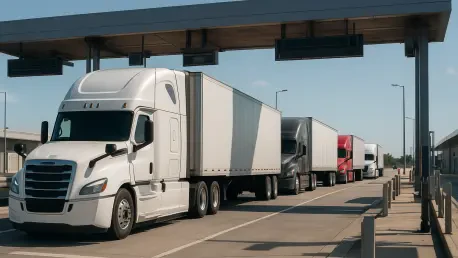

The modern supply chain across North America functions as a high-stakes ecosystem where even a minor administrative oversight can lead to cascading delays that jeopardize millions in revenue. With the seamless integration of the United States, Canadian, and Mexican markets, the demand for operational speed has never been higher, yet regulatory hurdles remain a constant friction point for businesses. Shippers often find themselves caught between the need for rapid transit and the rigid requirements of federal oversight, where a single missing document can halt a fleet at the border. This tension creates a significant gap in trade compliance that requires a sophisticated strategy to bridge, moving beyond simple paperwork toward a holistic, data-driven approach.
Navigating the Complexities of North American Cross-Border Trade
Current USMCA landscapes emphasize a level of interconnectivity that treats the continent as a single production platform. However, maintaining fluid supply chains depends entirely on the ability of stakeholders to navigate a maze of shifting rules and enforcement priorities. Shippers, customs brokers, and third-party carriers must operate in perfect unison to avoid the costly operational bottlenecks that arise from non-compliance. While many organizations once relied on manual processes and paper-based documentation, the industry has undergone a mandatory transition toward digital filing and automated oversight.
This technological shift is not merely a convenience but a necessity in a climate where regulatory bodies demand real-time data accuracy. The integration of advanced trade management software allows for the immediate identification of errors that human auditors might overlook. By establishing a collaborative framework between all parties, including regulatory bodies, companies can transform their cross-border logistics from a point of vulnerability into a streamlined asset.
Modern Trade Dynamics and Data-Driven Growth
Emerging Trends in Automated Compliance and Supply Chain Resilience
The adoption of Single Source of Truth platforms represents a significant trend in modern logistics, allowing companies to integrate HTS classification directly with real-time tracking. This convergence ensures that the data submitted to customs matches the physical reality of the freight, reducing the likelihood of inspections or discrepancies. Moreover, changing consumer behaviors have placed an immense premium on transparency, forcing companies to adopt faster delivery models without sacrificing regulatory integrity.
Nearshoring in Mexico continues to serve as a primary market driver, significantly increasing regional trade volumes and attracting heightened scrutiny from border authorities. As more manufacturing shifts to the southern border, the complexity of managing local labor laws and regional origin requirements has intensified. Businesses are discovering that supply chain resilience is now inextricably linked to their ability to provide precise, automated compliance data.
Statistical Insights into North American Trade Performance
Analysis of growth projections for USMCA trade lanes from 2026 to 2029 indicates a steady increase in regional freight density, requiring more robust infrastructure and smarter digital tools. Performance indicators suggest that firms utilizing modern trade management software experience significantly lower border hold times compared to those relying on legacy systems. Furthermore, duty recovery rates have become a critical metric for financial health, as companies seek to reclaim costs through accurate classification.
Recent data reveals a direct correlation between the adoption of automated filing systems and a reduction in penalty risks during federal audits. As audit frequency increases across the continent, the cost of being unprepared has never been higher. Proactive organizations are leveraging these statistical insights to justify investments in compliance technology, treating it as an insurance policy against future volatility.
Strategic Obstacles in Regulatory Execution and Documentation
Fragmented HTS classification systems represent a major strategic obstacle, often resulting in inconsistent Schedule B numbers that trigger automatic flags in customs databases. This documentation gap is particularly evident in USMCA certifications of origin, which frequently fail during audits because of missing supplier signatures or outdated information. When documentation is treated as a secondary priority, the financial benefits of trade agreements are quickly eroded by unexpected duties and fines.
Managing carrier variability also introduces significant hazards, especially when relying on third-party brokers who may use outdated compliance data. Relying on informal partnerships without formal vetting processes creates Visibility Fallacies, where a shipper believes they have control over a load simply because they can track its location. True control requires connecting that physical tracking with rigorous regulatory filing to ensure that the shipment is both moving and compliant.
The Evolving Regulatory Landscape and the “Reasonable Care” Standard
The legal requirements of the USMCA have fundamentally altered the Reasonable Care standard, placing a heavier burden on importers to prove the accuracy of their data. Unlike the previous NAFTA framework, current regulations demand deeper transparency into supply chain origins and labor practices. Transitioning to this new era requires a granular understanding of how various government agencies coordinate their enforcement efforts.
Trusted-trader programs like CTPAT and PIP serve as essential tools for streamlining border crossings, but they are not a substitute for internal accountability. Heightened customs enforcement necessitates a rigorous internal audit trail that can withstand close inspection. By maintaining high security standards and prioritizing transparency in supplier data, companies can foster a more cooperative relationship with regulatory authorities.
Future Horizons: Innovation and Global Economic Shifts
Looking forward, artificial intelligence and machine learning are poised to revolutionize the way classification errors are identified before submission. These tools can scan thousands of line items in seconds, flagging anomalies that could lead to costly disputes. At the same time, market disruptors like new environmental regulations and the development of digital smart borders are forcing companies to rethink their long-term logistics strategies.
Global economic shifts and changing tariff structures will continue to influence North American trade policy, requiring businesses to be agile. Preparing for the next generation of logistics involves more than just better software; it requires contingency planning and the creation of redundant brokerage networks. By anticipating shifts in the regulatory climate, companies can avoid being caught off guard by sudden policy changes.
Building Resilient Compliance Frameworks for Long-Term Success
The industry moved toward a model of centralized accountability to address the persistent gaps in trade execution. Successful organizations recognized that bridging the gap between regulatory theory and day-to-day operations required disciplined workflows and a commitment to data integrity. The integration of technology and human expertise created a robust defense against the inherent complexities of cross-border movement.
The adoption of these strategies proved that a frictionless supply chain was achievable through rigorous internal standards and proactive communication. By focusing on systemic resilience rather than reactive troubleshooting, businesses established a competitive advantage that protected their bottom line. Moving forward, the most successful entities prioritized the alignment of logistics and compliance as a single, unified corporate function.