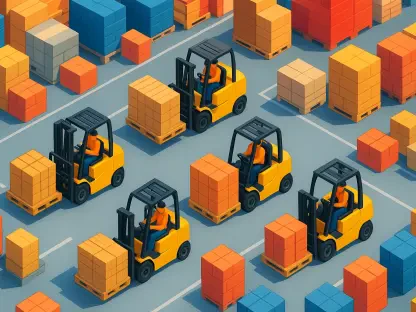

The retail landscape has reached a point where the speed of a digital algorithm now dictates the physical movement of millions of items across the continent. Dollar General is currently navigating a major technological shift by embedding advanced artificial intelligence into its massive supply chain. By partnering with Relex Solutions, the company aims to overhaul its logistics across more than 21,000 stores and 34 distribution centers. This initiative focuses on unifying forecasting and replenishment into a single digital environment to eliminate long-standing inefficiencies. This transition creates a cohesive planning ecosystem that synchronizes data between warehouses and retail locations, which is essential for a high-volume business model.
Building the Foundation: The Legacy of High-Volume Logistics
Historically, managing a footprint of this scale relied on manual oversight and reactive planning, which often failed to keep pace with volatile consumer habits. For years, legacy supply chains were susceptible to the “bullwhip effect,” where small demand shifts caused massive overreactions in the distribution network. This background explains why the current drive toward a predictive infrastructure is so critical for modern performance. Moving away from reactive models ensures that stock levels match actual buyer behavior, regardless of regional economic shifts or sudden logistical hurdles.
Optimizing Supply Chain Mechanics through Intelligence
Synthesizing Data for Greater Inventory Visibility
Central to this shift is the “single version of truth” for inventory management. When AI unifies forecasting, it ensures that every node in the logistics chain operates from identical, real-time datasets. This reduction in data silos minimizes the risk of “phantom inventory” and ensures products are available when needed. By identifying regional demand spikes, the platform adjusts lead times automatically, allowing for surgical precision in product allocation across the entire network.
Adopting Agentic Operating Systems for Automation
Beyond calculation, the brand is pioneering “agentic operating systems” that function as autonomous decision-makers within the supply chain. These systems handle complex ordering schedules and coordinate with vendors without requiring constant manual intervention. For a high-volume business, this level of automation is essential for maintaining margins and allowing talent to focus on high-level strategy rather than the tedious details of logistical scheduling.
Contextualizing Global Shifts in Retail Technology
This digital migration is part of a broader industry trend where artificial intelligence is becoming a baseline requirement. Other major retailers have adopted similar tools to combat stockouts and overstock effectively. This widespread adoption suggests that AI-driven replenishment is universally successful at managing complex networks, providing a roadmap for the entire sector toward a more efficient and responsive future.
Anticipating the Next Phase of Predictive Commerce
As we look through the 2026 to 2028 period, supply chains will likely evolve from reactive replenishment toward predictive commerce models. Future platforms will probably integrate hyper-local weather and economic indicators directly into their decision logic. These advancements will allow retailers to anticipate needs before the customer even steps into the store. Furthermore, the focus will shift toward balancing this automation with ethical data usage and transparency as technology matures.
Implementing Best Practices for Digital Integration
For organizations aiming to match this success, the primary strategy involves breaking down internal data silos to achieve end-to-end visibility. Investing in platforms that offer a unified forecasting model is a fundamental requirement for growth. Best practices include starting with core replenishment tasks and expanding AI’s role into vendor coordination. Professionals must stay educated on these agentic technologies to maintain a competitive edge.
Reflecting on the Transformation of Logistics
The integration of AI into the supply chain provided a clear roadmap for how discount retailers survived during a period of logistical complexity. Leaders realized that operational speed and data accuracy were the primary drivers of stability and long-term profitability. This shift toward an autonomous network proved to be a significant competitive advantage. Businesses that adopted these models successfully transitioned toward predictive inventory strategies and refined their vendor relationships through automated coordination.