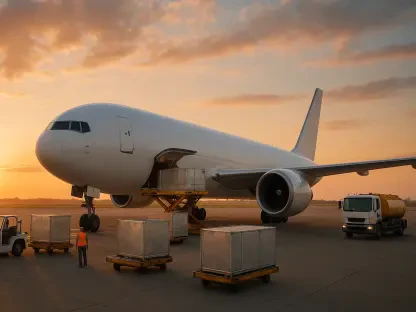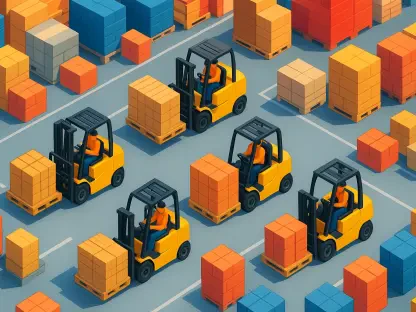

While the average consumer experiences e-commerce as a simple tap on a screen, the reality involves a high-stakes race against time that traverses hundreds of miles and involves thousands of precise human interactions. This invisible machinery has become the vital pulse of Malaysia, where the transition from a traditional retail model to a complex digital ecosystem is no longer a luxury but a fundamental economic requirement. As the nation deepens its reliance on digital commerce, the logistics sector has been forced to evolve beyond simple transportation into a sophisticated discipline of data management and resource optimization.
The current landscape demonstrates a profound shift from basic click and pay consumerism toward an intricate operational backend that must anticipate demand before it even occurs. Logistics providers are no longer just movers of goods; they are the architects of Malaysia’s digital economy, supporting everything from micro-SMEs to massive international marketplaces. This multi-layered supply chain involves a delicate dance between large-scale warehousing, regional fulfillment centers, and the high-pressure environment of last-mile delivery. Within this space, the emergence of tech-driven service providers has rewritten the rules of engagement, favoring those who can synthesize information faster than their competitors.
Navigating the High-Velocity Dynamics of the Malaysian Logistics Ecosystem
The movement of a single parcel through the Malaysian landscape is an exercise in managing volatility, where urban traffic patterns and sudden monsoon rains can derail even the most organized schedules. Established players are finding that legacy systems are insufficient for the current pace of trade, necessitating a ground-up redesign of how networks are structured. Modern distribution now requires a granular understanding of geographic nodes, ensuring that the flow of goods from central hubs to the doorstep remains uninterrupted despite external pressures.
Moreover, the competitive landscape has shifted toward a model where technology is the primary differentiator rather than just a supporting tool. Companies are now evaluated on their ability to provide total visibility across the supply chain, allowing both vendors and consumers to track progress with absolute precision. This demand for transparency has pushed logistics firms to adopt more open architectures, where data is shared in real-time to facilitate faster decision-making at every level of the organization.
Market Forces and the Explosive Surge in Parcel Volumes
The scale of modern delivery requirements is best illustrated by the sheer volume of items passing through the national network. Significant shifts in consumer behavior have created a permanent baseline of high-volume demand, moving away from the seasonal spikes of the past toward a consistent, high-velocity stream of packages. This environment has paved the way for the rise of the gig economy, creating a demand for flexible, tech-enabled workforce solutions that can scale up or down based on hourly requirements.
Emerging Trends in Digital Commerce and Automated Resource Management
The transition from manual oversight to predictive and prescriptive AI engines represents the most significant trend in the current market. Instead of reacting to delays as they happen, modern systems utilize historical data and machine learning to forecast bottlenecks and redirect resources before efficiency is lost. This level of responsiveness is essential for meeting the evolving expectations of a consumer base that now views next-day or even same-day delivery as a standard service rather than a premium option.
Furthermore, the integration of sustainable practices has moved to the forefront of operational strategy, driven by both regulatory pressure and the need for cost efficiency. AI-driven route optimization serves a dual purpose by reducing fuel consumption and minimizing the carbon footprint of each delivery while simultaneously improving the bottom line. This synergy between technological innovation and environmental responsibility is defining the next generation of logistics leaders who recognize that efficiency and sustainability are two sides of the same coin.
Quantifying Growth: Statistical Performance and Industry Projections
Data from the previous period shows a staggering surge in the Malaysian courier sector, with item volumes reaching 1.26 billion annually. Within this massive framework, Evocom Berhad has successfully captured nearly ten percent of the national delivery volume, a feat that requires immense operational discipline. Projections for the period from 2026 to 2028 indicate that the logistics sector will continue to be a primary contributor to the national GDP, as e-commerce penetration shows no signs of slowing down.
This growth trajectory is particularly impressive when analyzed through the lens of administrative efficiency. Maintaining a lean structure while managing massive volume requires a radical departure from traditional human resource management. By automating the bulk of clerical and administrative tasks, organizations can focus their intellectual capital on high-level strategic growth, ensuring that the company remains agile even as its physical footprint expands across the region.
Overcoming Structural and Operational Hurdles in Modern Distribution
One of the most daunting challenges in the current environment is managing the extreme ratio of administrative personnel to a massive field workforce. For instance, a small team of HR professionals is often responsible for the oversight of thousands of delivery riders, a task that would be impossible without automated platforms. This disparity requires a robust technological backbone that can handle onboarding, shift management, and performance tracking without the need for constant manual intervention.
In contrast to the controlled environment of a warehouse, the last-mile delivery stage is subject to the unpredictability of urban environments. Traffic congestion, weather fluctuations, and the physical limitations of city infrastructure create a constant state of flux that requires real-time adaptability. Bridging the gap between these high-volume operations and the tight financial constraints of a low-margin industry is a constant struggle that rewards only the most efficient operators.
Governance and Compliance in the Evolving Digital Economy
Navigating the regulatory landscape of the Malaysian postal and logistics sectors has become increasingly complex as the digital economy matures. Statutory compliance, particularly regarding payroll accuracy and labor regulations for gig-economy workers, demands a level of precision that manual systems cannot provide. Automated administrative platforms have become essential for ensuring that safety standards are met and that the rights of the workforce are protected within a fast-moving operational context.
Moreover, the importance of data security and privacy cannot be overstated as logistics firms handle increasing amounts of proprietary information. The development of internal software must prioritize the protection of sensitive data to maintain the trust of both corporate partners and end consumers. As the legal framework continues to evolve, staying ahead of compliance requirements has become a strategic advantage that ensures long-term operational stability.
The Future of Logistics: Synergizing AI Innovation with Physical Infrastructure
The evolution of the EVOSHIFT platform has provided a blueprint for achieving total supply chain visibility by integrating workforce capacity with environmental data. This platform goes beyond simple tracking; it acts as an operational brain that optimizes resource utilization in real-time. By providing supervisors with actionable insights, the system allows for the management of thousands of simultaneous decisions, ensuring that the entire network operates as a cohesive unit.
Advancing human capital is equally critical, as demonstrated by the implementation of the CLiPs Learning Management System. This platform utilizes gamified training and AI-assisted content generation to ensure that a diverse and geographically dispersed workforce remains at the cutting edge of industry standards. Meanwhile, the strategic expansion of physical hubs in areas like Nilai and Rawang provides the necessary infrastructure to support air freight and fulfillment operations, creating a seamless link between digital tools and physical delivery.
Building a Future-Proof Model for Integrated Supply Chain Excellence
The transition from a traditional service provider to a technology-driven industry leader was completed through the deliberate integration of AI and human capital. It was determined that the only way to sustain growth in a high-volume environment was to empower the workforce with proprietary tools that removed administrative friction. The strategy successfully balanced aggressive automation with the essential human element of delivery, ensuring that technology served to support rather than replace the people on the ground.
Investment in these digital ecosystems was prioritized to ensure that the organization remained resilient against market disruptions. The management team utilized capital to fuel technological dominance, focusing on scalability and the ability to adapt to shifting economic conditions. Ultimately, the path forward was defined by a commitment to operational excellence, where every parcel was viewed as a data point in a larger, optimized network that successfully bridged the gap between digital intent and physical reality.