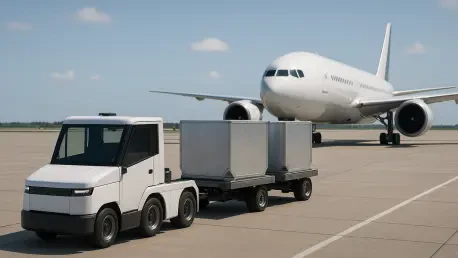

The evolution of TLD Robotics reflects a broader industry trend where industrial-strength manufacturing is now a prerequisite for the scaling of advanced technological solutions. This strategic initiative by the ALVEST Group marks the culmination of a decade-long journey to transition autonomous ground support equipment from experimental prototypes into standardized, mission-critical assets. By integrating the specialized software capabilities of EasyMile with the extensive manufacturing reach of TLD and the operational expertise of TractEasy, the group has established a unified entity. This consolidation eliminates the friction often found between software developers and vehicle manufacturers, offering a single-partner approach that simplifies procurement and maintenance for global logistics hubs. The emergence of TLD Robotics underscores a shift toward a more mature market where reliability, safety, and global support are the primary drivers of adoption for autonomous ground operations across the aviation and industrial sectors worldwide.
Scaling Industrial Autonomy
Advancing from Pilot Programs to Global Infrastructure
As of the current period, the deployment of autonomous technology has transcended the initial trial phases that characterized the early part of this decade. TLD Robotics currently manages a portfolio of more than 35 active operations across 10 different countries, a footprint that includes over 50,000 successfully completed autonomous missions. These figures highlight a move away from isolated tests toward integrated, 24/7 operations that serve as essential infrastructure for international airports and manufacturing plants. This high level of utilization demonstrates that the technology has achieved the industrial robustness required to handle the rigorous demands of high-traffic environments where downtime is not an option. The ability to maintain continuous service in diverse climates and operational settings has proven that autonomous systems are no longer a luxury but a fundamental component of the modern supply chain, providing the predictability and uptime necessary for large-scale commerce.
Solving Modern Logistics Challenges
The aviation and logistics sectors face significant hurdles that include chronic labor shortages and the urgent need for enhanced safety on crowded tarmacs. TLD Robotics addresses these issues directly by implementing autonomous fleets that minimize the potential for human error in high-risk zones, thereby reducing the frequency of ground incidents and equipment damage. Beyond safety, these systems offer a scalable solution to the difficulty of finding and retaining specialized ground handling personnel in an increasingly competitive labor market. Furthermore, the integration of precision-guided autonomous vehicles supports global decarbonization initiatives through the use of optimized, electric-powered fleets. By streamlining material movement and reducing idle times, these robots contribute to the “Leaner & Greener” operational strategies adopted by leading organizations. This approach ensures that logistics providers can meet increasing demand while simultaneously meeting environmental regulations and improving their overall operational efficiency.
Technical Capabilities and Market Leadership
Integrating Software, Hardware, and Supervision
A defining characteristic of the TLD Robotics model is the seamless integration of proprietary software with purpose-built vehicle hardware. Unlike retrofitted solutions that adapt existing equipment, these vehicles are engineered from the ground up at TLD’s 12 global factories specifically for autonomous navigation. This hardware-software synergy is managed through advanced supervision platforms, often referred to as XOPS integration, which coordinate complex fleet missions in real-time. This capability allows autonomous tractors and cargo movers to interact safely with human-operated machinery and pedestrian traffic in unpredictable industrial environments. Every unit is equipped with sophisticated AI perception systems that enable immediate response to obstacles, ensuring a high standard of safety. By maintaining control over the entire technological stack, the company provides a comprehensive lifecycle support system. This ensures that global enterprises receive consistent engineering assistance and localized maintenance, which is vital for long-term fleet viability.
Validating the Commercial Shift
The successful launch of this unified entity serves as a clear signal that the era of speculative testing has concluded, replaced by a phase of industrial-scale commercialization. The validity of this shift is confirmed by an impressive roster of clients, including major industrial players such as the BMW Group, Daimler Truck, and John Deere, alongside prestigious aviation hubs like Munich and Narita Airports. These organizations have moved beyond curiosity, integrating TLD Robotics solutions into their core operational workflows to drive measurable productivity gains. The transition from a joint venture model to a dedicated corporate entity reflects the market’s demand for a single point of accountability and a global service network. This structure allows large-scale enterprises to invest in autonomy with the confidence that their fleets will be supported throughout a multi-decade operational lifespan. Consequently, autonomous ground support equipment has evolved from a niche innovation into a cornerstone of industrial strategy worldwide.
Strategic Implementation: Moving Toward Standardized Autonomous Fleets
In the final analysis, the establishment of TLD Robotics consolidated the fragmented landscape of autonomous ground support into a streamlined industrial reality. Leaders in the sector recognized that the path forward required moving away from bespoke, one-off projects toward standardized fleets that offered predictable performance across multiple sites. This development enabled companies to shift their focus from proving the technology to optimizing its integration within existing digital ecosystems. For organizations looking to remain competitive, the next logical step involved conducting comprehensive site audits to identify high-volume routes suitable for immediate automation. They also prioritized the training of existing personnel to work alongside these new robotic systems, ensuring a smooth transition to hybrid human-machine environments. By treating autonomy as a foundational element of facility design rather than an add-on, managers successfully reduced operational costs while increasing throughput from 2026 to 2030.