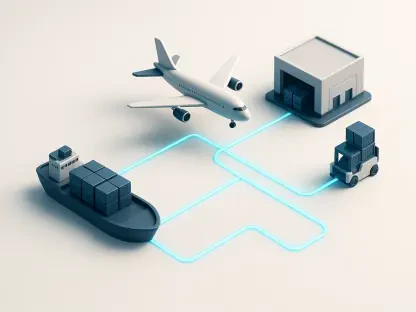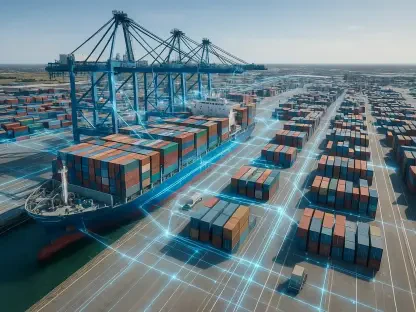

The global logistics landscape is currently standing at a precarious intersection where the legacy of mechanical reliability meets the relentless demands of autonomous, data-driven synchronization. By the time 2027 arrives, the primary differentiator between market leaders and failing enterprises
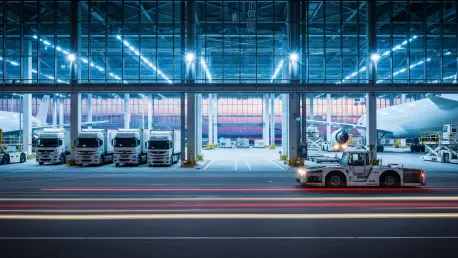
The global logistics landscape is undergoing a radical shift where data-driven orchestration is rapidly replacing the traditional reliance on physical expansion to meet burgeoning market demands. Traditionally, the air cargo sector focused almost exclusively on physical square footage, measuring

The logistics industry is currently standing at a crossroads where the tradition of grit and manual labor meets the precision of artificial intelligence. For decades, the backbone of transportation has relied on the sheer endurance of drivers and the tireless coordination of fleet managers, but the

Retailers are increasingly moving away from the inefficiency of manual shelf audits and toward sophisticated autonomous systems that merge computer vision with mobile robotics to achieve unprecedented operational clarity. This technology emerged to address the struggle of managing complex
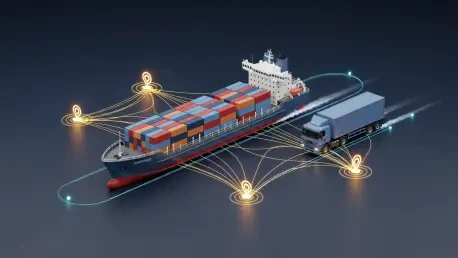
The global freight industry is currently undergoing a radical metamorphosis as the traditional reliance on human-centric dispatching gives way to autonomous systems that possess true operational agency. These advanced digital entities do not merely suggest that a shipment might be late; they

The global supply chain recently emerged from a period of intense fragmentation, giving way to a highly synchronized digital ecosystem where freight forwarding functions more like a precision software service than a manual brokerage. Shippers once struggled with opaque pricing models and delayed