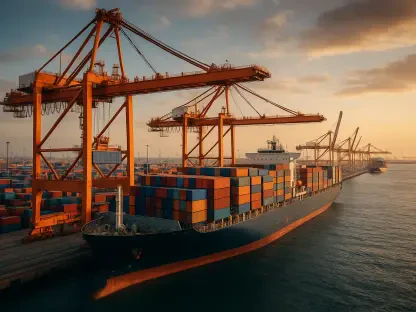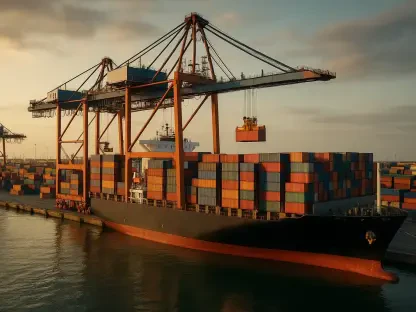
The once-unquestioned reliance on razor-thin inventory margins and single-source global manufacturing has reached a definitive breaking point as modern enterprises prioritize survival over the pursuit of the lowest possible production cost. For decades, the mantra of global commerce centered on

The evolution of hospitals into sprawling networks of outpatient centers has created fragmented supply chains prone to inventory blind spots. As the healthcare industry moves toward a distributed care model, the traditional centralized hospital pharmacy or supply room is no longer sufficient to
Rohit Laila is a veteran of the logistics world, a man who has spent decades watching the gears of global supply chains turn from the inside. With a career that spans the heavy lifting of physical delivery and the high-level orchestration of digital supply chain planning, he has become a leading

As the energy landscape shifts toward more integrated and complex offshore operations, the role of logistics hubs has transitioned from simple storage to becoming the heartbeat of upstream activity. Our expert today brings decades of deep-tier experience in supply chain management and industrial

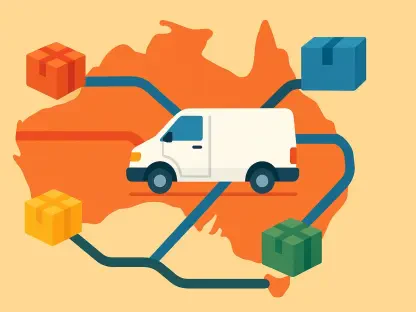
Amazon Supply Chain Services has streamlined the technical rollout of Prime delivery, allowing brand owners to activate the service seventy percent faster than previous standalone options. In the current retail environment of 2026, the traditional boundaries between massive marketplaces and

Rohit Laila is a veteran of the logistics world, having spent decades navigating the shifting tides of supply chain management and last-mile delivery. His perspective is shaped by a deep-seated passion for how bits and bytes translate into the physical movement of goods across the globe. As the
1 2 3 4 5 6 7 8 9 10 11 12 13 14 15 16 17 18 19 20 21 22 23 24 25 26 27 28 29 30 31 32 33 34 35 36 37 38 39 40 41 42 43 44 45 46 47 48