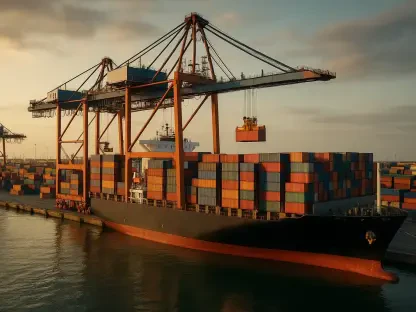

The global industrial landscape currently navigates a period of unprecedented volatility characterized by fluctuating container rates and the sudden imposition of regional trade barriers. While many manufacturers once relied on sprawling international networks to reduce costs, the inherent

The dramatic acceleration of consumer expectations within the Mexican digital marketplace has fundamentally altered the standard for delivery precision, forcing logistics providers to abandon static warehousing models in favor of hyper-responsive, technology-driven ecosystems. This evolution marks

The logistics landscape has shifted from traditional bulk handling to a hyper-speed ecosystem where seconds are the primary currency of profitability and customer satisfaction. In the current market, reactive habits that once sufficed for managing inventory are no longer viable strategies for
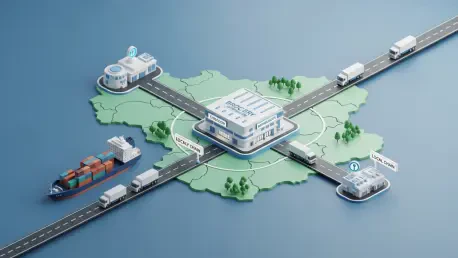
When international trade corridors began to fracture under the weight of geopolitical tensions and logistical bottlenecks throughout 2026, the retail sector found itself at a crossroads where survival depended on operational agility. For a premier grocery retailer like Spinneys, which operates

The rapid transition from fragile and linear supply chains toward elastic, self-correcting neural networks marks the most significant architectural shift in global commerce since the advent of the standardized shipping container. Businesses today no longer view logistics as a back-office burden but

Global supply chain leaders frequently discover that their expensive investments in visibility software result in nothing more than colorful maps that lack actionable intelligence. While the promise of a control tower centers on the ability to orchestrate complex logistical movements in real-time,