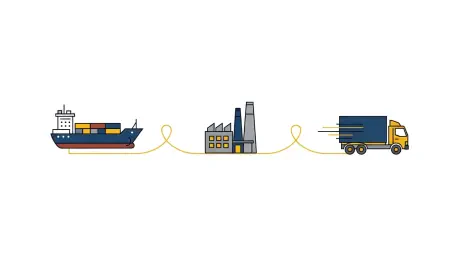

The decision by Kraft Heinz to consolidate its massive global operations represents a significant departure from traditional management structures found in the food and beverage industry. This overhaul signifies a fundamental shift in how the company approaches its internal logic, moving away from fragmented departments toward a single, unified integrated function. By merging procurement and supply chain management, the organization seeks to create a more resilient and responsive framework that can withstand the unpredictable pressures of the modern global market.
This article examines the strategic reasons behind this realignment and the specific changes taking place within the corporate hierarchy. Readers can expect to learn about the appointment of new leadership and the reversal of previous organizational strategies that favored decentralization. The focus remains on how these changes streamline the end-to-end value chain to foster long-term stability and growth.
Why Is Kraft Heinz Merging Its Procurement and Supply Chain Operations?
Modern food manufacturing requires a high degree of synchronization between the acquisition of raw materials and the distribution of finished products. Historically, these functions often operated in isolation, leading to communication gaps and inefficiencies that hindered a company’s ability to react to rapid market changes. Kraft Heinz recognizes that a siloed approach no longer suffices in an environment defined by fluctuating consumer demands and volatile logistics.
The unification of these departments, scheduled to take full effect on July 1, aims to bridge these gaps by creating a seamless link between sourcing strategies and production logistics. This integrated model allows the company to manage its resources more holistically, ensuring that procurement decisions directly support supply chain objectives. By fostering this internal harmony, the organization gains the agility necessary to optimize its value chain and maintain a competitive edge.
How Will the New Leadership Structure Support This Global Transformation?
Executive leadership plays a pivotal role in navigating such a comprehensive structural transformation. The success of this initiative depends on a leader who possesses a deep understanding of both procurement and global supply chain dynamics. Under the guidance of CEO Steve Cahillane, who took the helm at the start of the year, the company has prioritized a cohesive organizational structure over the previously considered plan to split the business into distinct units.
Janelle Aydin has been selected to lead this combined division as the Global Chief Procurement and Supply Chain Officer. Bringing nearly two decades of experience from major industry players like Diageo, she is well-positioned to drive this transition. Her promotion follows the departure of Flavio Torres, who moves into an advisory capacity to ensure a smooth handover. This leadership change reinforces a centralized strategic vision that aligns procurement goals with broader operational excellence.
What Does Regional Consolidation Mean for the Company’s International Growth?
Efficiency on a global scale often requires a delicate balance between local responsiveness and centralized control. While North American operations remain under the existing leadership of Nicolas Amaya, the company is actively consolidating various regional units outside of this core market. This strategy is intended to eliminate redundant processes and create a more direct path for scaling successful initiatives across different international territories.
Streamlining these regional footprints allows the company to accelerate progress and implement best practices more effectively across its global network. This consolidation is not merely about cost-cutting; it is a proactive move to enhance the company’s ability to respond to localized supply chain pressures while maintaining a consistent global strategy. Ultimately, this approach ensures that the organization can leverage its size and scale to achieve meaningful results in diverse markets.
Summary
The strategic realignment at Kraft Heinz centers on the creation of a unified procurement and supply chain function to enhance operational resilience. By promoting Janelle Aydin and consolidating regional footprints, the company aims to break down internal silos and foster a more agile value chain. This move reflects a broader trend toward organizational integration as a means of navigating market volatility. The transition marks a significant milestone in the company’s journey toward long-term stability.
Conclusion
The decision to integrate these critical business functions suggested a clear focus on future-proofing the organization against global economic shifts. It demonstrated that a unified approach to sourcing and logistics provided a stronger foundation for sustainable growth than fragmented models. This transformation established a new benchmark for how large-scale food manufacturers could adapt to an increasingly complex global landscape. Moving forward, the industry may look to this model as a blueprint for balancing centralized strategy with regional efficiency.