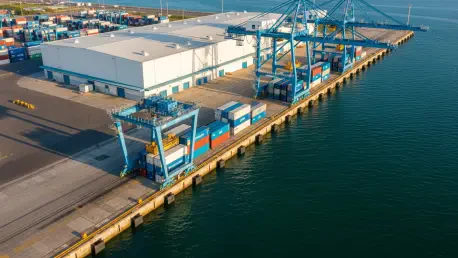

The global logistics landscape is undergoing a profound transformation as the demand for high-velocity, temperature-controlled supply chains reaches an all-time high among international traders and local producers alike. At Port Saint John, this evolution has culminated in the official opening of Canada’s first integrated cold storage and import-export hub, representing a landmark achievement for North American infrastructure. This facility is not merely a warehouse; it is the physical manifestation of a strategic alliance between Americold Realty Trust, DP World, and Canadian Pacific Kansas City. By consolidating sea shipping, advanced rail networks, and sophisticated temperature-controlled storage into a single ecosystem, the hub addresses long-standing bottlenecks in the movement of perishable goods. This innovative approach offers a robust and highly predictable corridor for food producers, ensuring that high-value exports reach global markets with minimal delay and maximum freshness for consumers.
Efficiency and Integration: Streamlining Terminal Operations
The most significant advantage of this new cold storage facility lies in its geographical placement directly within the DP World container terminal, which fundamentally alters the standard logistics workflow. Traditionally, temperature-sensitive containers must be drayed from the dock to off-site warehouses, a process that introduces additional costs and fuel consumption. By situating the storage hub at the water’s edge, Port Saint John enables the immediate transfer of goods from vessel to pallet without the need for public road transit. This seamless transition drastically reduces drayage expenses and eliminates the administrative delays often associated with terminal gate congestion. For shippers, this translates into a more agile supply chain where the time from ship arrival to secure storage is measured in minutes rather than days. This efficiency is critical for maintaining the cold chain integrity required for sensitive agricultural and seafood products across all regional and national markets.
Complementing the maritime access is the direct integration with the CPKC rail network, which provides an efficient overland artery connecting Atlantic Canada to major industrial centers. This rail connectivity allows for the rapid distribution of imported goods into the heart of Central Canada and the American Midwest, bypassing traditional highway bottlenecks. Conversely, regional producers in New Brunswick and neighboring provinces can now aggregate their exports at the hub for direct loading onto ocean-going vessels. The synergy between rail and sea creates a dual-threat logistics platform that maximizes the utility of intermodal transport while minimizing the carbon footprint of each shipment. By leveraging the extensive reach of the CPKC network, the facility acts as a high-capacity bridge between local farmers and international consumers. This structural alignment ensures that the hub is a vital component of the broader trade architecture, fostering long-term stability and economic growth.
Capacity and Reach: Meeting International Market Demands
The facility is engineered to support massive volumes, featuring a storage capacity of approximately 22,000 pallets, which is equivalent to the contents of more than 800 full-size refrigerated truckloads. This scale is necessary to handle the high-speed throughput required by modern global trade, where seasonal peaks in agricultural production can overwhelm smaller, fragmented storage networks. The hub utilizes advanced cooling technologies and automated inventory management systems to ensure that every pallet is monitored with precision, maintaining strict temperature ranges from the moment it enters the bay. Such technical sophistication is essential for meeting the rigorous food safety standards mandated by international regulatory bodies. By providing this level of industrial-grade infrastructure, Port Saint John positions itself as a competitive alternative to larger, often more congested ports. This capacity allows for the consolidation of shipments, enabling smaller producers to access global shipping lanes with much greater frequency.
With its strategic location on the Atlantic coast, the hub serves as a critical gateway for trade flowing between North America and key markets in Europe, South America, and the Asia-Pacific region. The ability to store and process goods on-site means that exporters can better manage their inventory cycles, timing their shipments to coincide with favorable market conditions or vessel schedules. This flexibility is a game-changer for the seafood industry in Atlantic Canada, where timing and temperature are the two most critical factors in determining product value. Furthermore, the facility’s design allows for specialized services such as blast freezing and value-added processing, which further enhances the utility of the hub for diverse food sectors. As global demand for high-quality protein and fresh produce continues to climb, having a modernized, high-capacity exit point becomes a significant competitive advantage for the regional economy. The hub effectively shortens the distance to the world’s most lucrative consumer markets.
Strategic Resilience: Future Pathways for Trade Logistics
Beyond the physical movement of goods, the establishment of this cold storage hub provides shippers with unprecedented control and visibility over their entire supply chain. In an era where unforeseen disruptions can occur at any moment, the ability to store products at a secure, port-side location offers a necessary buffer against vessel delays or rail interruptions. Customers can now maintain larger safety stocks closer to their point of export, reducing the risk of order cancellations or product spoilage during transit. This resilience is further bolstered by the digital integration between Americold, DP World, and CPKC, which allows for real-time tracking of cargo as it moves through the facility. For businesses, this means more reliable forecasting and the ability to fulfill international contracts with greater confidence. By mitigating the inherent risks of long-distance shipping, the hub encourages more companies to engage in international trade, knowing their assets are protected by world-class monitoring systems.
Logistics leaders and agricultural producers recognized the immediate necessity of adapting to these modernized port capabilities to maintain their competitive edge in a globalized economy. Shippers moved toward diversifying their port strategies, often shifting volume to specialized hubs like Saint John to avoid the historic congestion seen at larger coastal terminals. This transition required a fundamental rethink of inventory management, where businesses prioritized port-side storage to minimize the middle-mile risks that previously plagued their operations. Stakeholders also focused on deeper technological integration, utilizing the data provided by these smart hubs to optimize their shipping schedules and reduce waste throughout the cold chain. Moving forward, the focus shifted to expanding the range of products handled by these facilities, including pharmaceuticals and high-tech components that require similar climate-controlled environments. By embracing this integrated model, the industry established a more responsive and resilient trade framework.