
Transitioning from Manual Chaos to Digital Precision in Modern Logistics
The persistent friction between high-level supply chain strategy and the gritty reality of trailer yard operations continues to drain profitability from even the most sophisticated global logistics networks. While the leadership suites of major corporations often prioritize digital transformation, the actual implementation at the facility level frequently remains stalled in a state of manual chaos. This disconnect is not merely a technical oversight but a fundamental execution gap that prevents organizations from realizing the full potential of their logistics investments. Navigating this transition requires a shift from reactive problem-solving toward a proactive, integrated digital ecosystem that connects every movement on the dock to the broader enterprise data stream.
Achieving digital precision involves more than just installing new software; it requires a complete reimagining of how data flows through the yard. Many facilities currently operate as information silos, where critical details about incoming freight are trapped in spreadsheets or individual phone conversations. Moving toward a modernized model means replacing these fragmented interactions with a single source of truth. This shift allows for real-time visibility, enabling managers to make informed decisions based on live data rather than historical guesswork. The goal is to create a seamless operational flow where technology serves as the backbone of every physical movement.
The Widening Disconnect Between Modernization Goals and Yard Reality
The current logistics landscape reveals a significant paradox where the desire for innovation far outpaces the reality of ground-level adoption. Approximately 73% of professionals in the industry acknowledge that automation is essential for future survival, yet only a small fraction have successfully integrated these tools into their daily workflows. This intent gap is often created by the overwhelming complexity of legacy processes that have been in place for decades. Companies find themselves stuck in a loop of planning for modernization without ever reaching the point of execution because they fail to account for the organizational discipline required to change ingrained habits.
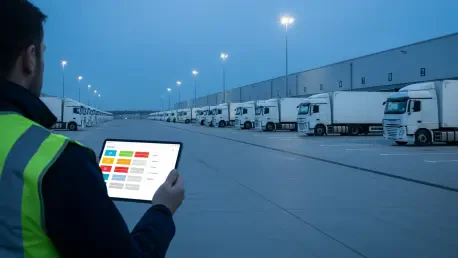
Overcoming this disconnect requires an honest assessment of the manual work tax that currently burdens the operation. This tax is paid every time a yard jockey searches for a misplaced trailer or a warehouse clerk manually enters data that should have been captured at the gate. These inefficiencies are often invisible in high-level financial reports but manifest as a constant drag on throughput and site capacity. Recognizing that the yard is no longer just a parking lot, but a dynamic coordination layer, is the first step toward bridging the gap between theoretical goals and operational reality.
A Practical Framework for Turning Operational Intent into Implementation
Transforming the intent to modernize into a functional reality requires a structured approach that prioritizes operational needs over high-level feature sets. A successful framework focuses on building a foundation of visibility before layering on advanced automation. This ensures that the technology addresses the actual pain points experienced by the staff on the ground. By following a disciplined path from identification to standardization, organizations can ensure that their digital tools are not just present but are actively driving efficiency across the entire network.
Step 1: Pinpointing Failure Points and Hidden Operational Costs
The first phase of any effective transformation involves a granular audit of where the current system fails under pressure. Management must look beyond the surface-level symptoms of delays and investigate the root causes of friction. This process identifies the specific moments where information is lost or where physical assets sit idle due to poor coordination.
Quantifying the High Cost of Manual Rework and Communication Delays
Manual processes are inherently prone to error, and those errors lead to expensive rework that compounds over time. When a carrier is assigned to the wrong dock or a trailer is incorrectly logged, the subsequent correction consumes labor hours that could have been used for productive throughput. Quantifying these specific losses helps build a compelling business case for change by illustrating how much capital is wasted on correcting avoidable mistakes.
Documenting the Impact of Labor Fluctuations on Dock Throughput
Labor availability is often volatile, and a manual yard management system struggles to adapt when staff levels change unexpectedly. Without digital oversight, the loss of a single experienced gate guard or yard driver can cause a total collapse in operational rhythm. Documenting how these fluctuations affect the bottom line allows organizations to see the value of a system that provides standardized guidance, making the operation less dependent on the tribal knowledge of specific individuals.
Step 2: Mapping Team Interactions and Workflow Exceptions
Modern logistics depends on the tight synchronization of various departments, from the transportation office to the warehouse floor. Mapping these interactions reveals the complex web of dependencies that must be managed to keep freight moving. It is equally important to plan for the exceptions, such as late arrivals or damaged shipments, which typically cause the most disruption in a manual environment.
Synchronizing the Flow Between Inbound Carriers and Warehouse Labor
The alignment of arriving trailers with the availability of unloading teams is a constant challenge for most site managers. A digital coordination layer ensures that the warehouse is prepared for the specific freight arriving, reducing the time trailers spend waiting in the yard. This synchronization minimizes labor idle time and ensures that the most urgent shipments are prioritized as they enter the facility.
Planning for Real-World Disruptions and Carrier Appointment Adherence
No schedule survives a real-world shift without some degree of interference, whether due to traffic, weather, or equipment failure. A robust digital system must be able to ingest these disruptions and automatically recalculate the yard priorities to maintain a steady flow. By accounting for carrier appointment adherence in real-time, the facility can dynamically reassign dock doors and yard tasks to prevent a single late truck from derailing the entire day’s plan.
Step 3: Standardizing Processes for Network-Wide Consistency
Consistency is the enemy of chaos, yet many organizations allow each of their facilities to operate with unique, site-specific rules. Standardizing these processes ensures that a driver or a manager can move from one location to another without needing to learn a completely new set of procedures. This network-wide alignment is essential for scaling operations and maintaining a high level of service across the entire enterprise.
Balancing Site-Level Flexibility with Corporate Strategic Goals
While corporate leaders seek uniformity, each facility may have unique physical constraints or local requirements that demand some degree of flexibility. The challenge lies in creating a digital framework that enforces core standards while allowing for necessary local adjustments. This balance ensures that the organization can aggregate data for high-level analysis while still providing the site managers with the tools they need to handle their specific regional challenges.
Developing Practical Metrics for Dwell Time and Detention Costs
Standardization allows for the creation of universal key performance indicators that provide a clear view of health across all sites. Metrics such as trailer dwell time and carrier detention costs offer immediate insight into which locations are performing well and which require intervention. By using these practical measurements, a company can shift from anecdotal reporting toward a data-driven culture that rewards efficiency and identifies areas for continuous improvement.
Step 4: Prioritizing Implementation Effectiveness Over Feature Lists
When selecting a technology partner, the focus should always be on how well the system can be integrated into the actual daily workflow of the yard. A long list of advanced features is worthless if the software is too complex for the staff to use during a high-volume shift. True value is found in implementation effectiveness, where the system enhances human capability rather than adding another layer of administrative burden.
Evaluating Vendor Offerings Against Specific Business Requirements
Organizations must resist the urge to buy a generic solution and instead evaluate vendors based on how their tools solve specific, documented business problems. This requires a rigorous vetting process where the software is tested against the most difficult scenarios the yard faces. The ideal partner provides a system that is flexible enough to grow with the business while remaining focused on the core task of optimizing asset and labor movement.
Reducing Internal Friction Through Early Stakeholder Alignment
The failure of many digital projects can be traced back to a lack of buy-in from the people who will actually use the system. Involving IT, finance, and operations teams early in the procurement process reduces friction and ensures that everyone understands the goals of the modernization. When stakeholders are aligned on the expected outcomes, the transition from old habits to new digital processes happens more quickly and with fewer setbacks.
Essential Milestones for a Successful Dock and Yard Transformation
- Identify and document existing manual failure points and communication silos to establish a baseline for improvement.
- Map cross-functional workflows between transportation and warehouse teams to ensure every department is aligned on freight movement.
- Establish standardized operational protocols across all facility locations to create a consistent experience for drivers and staff.
- Select technology partners based on implementation track records and operational fit rather than just a list of theoretical features.
- Define success through tangible metrics such as reduced idle time and improved carrier adherence to prove the return on investment.
Future-Proofing Operations Through Sustainability and Driver Retention
Modern yard management now encompasses broader corporate responsibilities, specifically regarding environmental sustainability and labor relations. Reducing the time trucks spend idling in the yard is a direct way to lower the carbon footprint of a logistics operation, a goal that is now vital for 95% of organizations. By optimizing gate-to-dock movements, companies significantly cut down on fuel consumption and emissions, aligning their logistical efficiency with their corporate social responsibility mandates. This proactive stance on sustainability not only benefits the planet but also improves the bottom line by reducing wasted fuel and unnecessary asset wear.
The experience of the driver is another critical factor in long-term resilience, especially in a market where carrier capacity can be volatile. Providing drivers with digitized, contact-free check-ins and predictable turn times makes a facility a preferred destination. When carriers know they can enter and exit a yard without facing manual delays or administrative confusion, they are more likely to prioritize that shipper’s freight. Improving the driver experience is a strategic move that secures more reliable transportation capacity and fosters stronger long-term relationships with the carrier community.
Eliminating the Manual Work Tax to Secure Long-Term Efficiency
The journey toward a fully digitized dock and yard required a disciplined move away from the reactive habits of the past. The organizations that successfully bridged the execution gap did so by focusing on the specific failure points that were previously hidden by manual workarounds. These leaders recognized that the true cost of an inefficient yard was not just in the delays themselves, but in the constant labor required to manage those delays. By implementing a standardized digital framework, they transformed their facilities into high-performance nodes within their supply chains.
Moving forward, the elimination of the manual work tax remains a continuous process of refinement and optimization. As supply chains grow more complex, the ability to maintain operational discipline through technology will be the primary differentiator between industry leaders and those struggling to keep up. Success is not found in a single technological purchase but in the ongoing commitment to data-driven precision and cross-functional alignment. Those who maintain this focus will continue to drive efficiency and profitability in a competitive global marketplace.