
The retail landscape is undergoing a fundamental transformation as the demand for near-instant gratification pushes supply chain logistics to their absolute limits in suburban and urban markets. As consumers increasingly expect orders to arrive within minutes rather than days, traditional large-scale distribution centers located on the outskirts of metropolitan areas are becoming insufficient for meeting modern speed requirements. To address this evolving challenge, Walmart is pioneering a new model centered on Spark Delivery Depots, which function as hyper-localized fulfillment hubs strategically positioned within high-density neighborhoods to minimize transit time. These facilities represent a departure from the massive supercenter model, focusing instead on a curated selection of high-demand items that can be picked, packed, and dispatched with precision. By narrowing the geographic gap between the product and the customer, the retail giant is effectively rewriting the rules of last-mile delivery, ensuring that the final leg of the journey is no longer a bottleneck.
Engineering the Hyper-Local Supply Chain
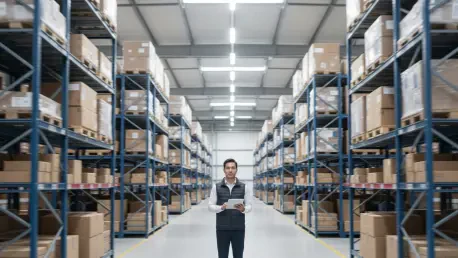
The architectural and operational design of these Spark Delivery Depots reflects a calculated move toward micro-fulfillment efficiency that prioritizes speed over aisle-based shopping experiences. Unlike traditional stores that must balance the needs of in-person shoppers with digital orders, these depots are closed to the public and optimized entirely for the rapid movement of goods by professional pickers and automated systems. Each facility is outfitted with advanced inventory management software that tracks real-time demand patterns, allowing the retailer to stock exactly what local residents are likely to order during specific times of the day or week. This data-driven approach ensures that high-velocity items, such as fresh groceries and household essentials, are always within arm’s reach of the dispatch area. By removing the friction associated with navigating a large supercenter, the staff at these depots can fulfill orders in a fraction of the time, often readying packages for delivery before the courier has arrived.
Beyond the physical layout, the implementation of sophisticated sorting technology plays a critical role in maintaining the cadence of ultra-fast delivery within these localized hubs. Each Spark Delivery Depot utilizes specialized staging areas designed to streamline the handoff between warehouse workers and the delivery network, reducing idle time and preventing congestion in the loading zones. The transition from a static storage model to a dynamic throughput model requires a seamless digital thread that connects the customer’s mobile app directly to the depot’s picking system. This technological backbone allows for simultaneous processing of multiple orders, ensuring that the surge in demand during peak evening hours does not result in delivery delays. As these depots continue to proliferate, they are becoming integral nodes in a wider logistics grid that can adapt to shifting consumer behaviors with agility. The ability to pivot inventory based on localized weather events or regional trends gives the retailer a significant edge.
Maximizing Logistics Performance and Efficiency
A central component of the success of these new depots is the tight integration with the Spark Driver platform, which leverages a flexible workforce to handle the actual delivery tasks. By situating these depots in closer proximity to residential areas, the retailer significantly reduces the average distance per trip, which translates to lower fuel costs and higher earnings potential for the independent contractors involved. This localized approach also allows drivers to complete more deliveries per hour, fostering a more efficient ecosystem where the supply of labor matches the immediate demand of the neighborhood. The dispatch algorithm has been refined to prioritize drivers who are already in the vicinity of a depot, further shaving minutes off the total delivery time from the moment an order is placed. This synergy between physical infrastructure and mobile technology creates a feedback loop that improves the reliability of the service, as drivers become familiar with the specific routes and delivery nuances of their assigned zone.
Industry leaders prioritized the integration of modular shelving units that allowed for rapid reconfiguration of floor space to accommodate shifting inventories. They moved toward establishing a standardized protocol for local depot operations to ensure consistency across diverse geographic regions. The implementation of these hubs encouraged retailers to reallocate capital from massive physical storefronts into micro-logistics software and local delivery fleets. This strategic pivot enabled companies to maintain high service levels while reducing the complexity of the traditional hub-and-spoke distribution model. The success of the pilot demonstrated that localized fulfillment was the most viable solution for the challenges of urban density and consumer expectations for speed. By focusing on the last mile as a specialized operation, the industry found a way to balance operational costs with the premium price of rapid delivery. These insights paved the way for a more resilient and responsive retail ecosystem.