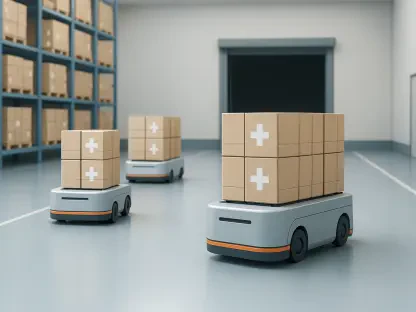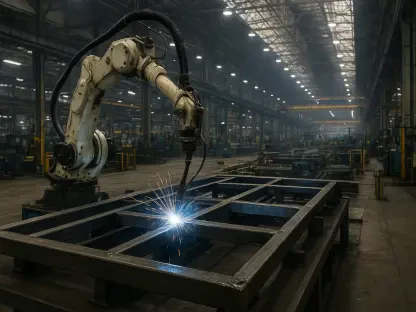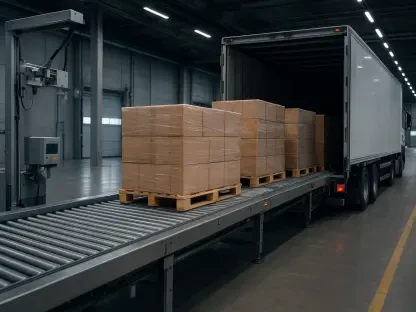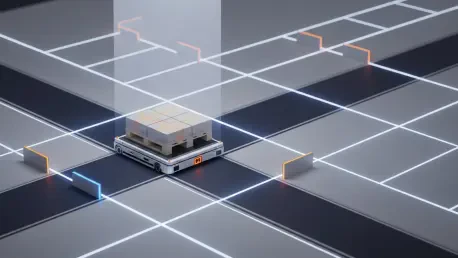
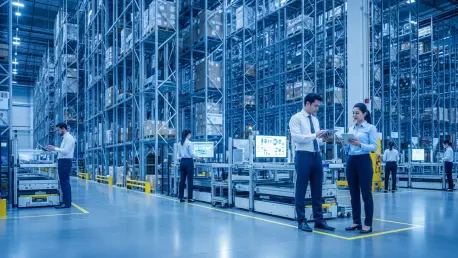
The transformation of modern logistics facilities into centers of high-performance strategy requires a fundamental reassessment of how human capital is deployed across the vast reaches of the distribution floor. For years, the warehouse functioned as a quiet backend operation, a necessary but often

The relentless pursuit of thirty-minute delivery windows has transformed city streets into a chaotic maze of idling vans and cardboard waste, forcing a critical reevaluation of the logistics sector. As the modern consumer continues to prioritize convenience, the logistical burden on the last mile

The implementation of sophisticated electronic tracking systems has fundamentally altered how global supply chains operate by providing an unprecedented level of visibility into every stage of the product lifecycle. This shift from manual logging to automated identification marks a significant

The traditional view of warehouse intelligence often mistakenly prioritizes flashy robotic arm installations over the invisible but critical digital architecture that powers modern global supply chains. While the appeal of fully autonomous facilities is significant, the reality of modern
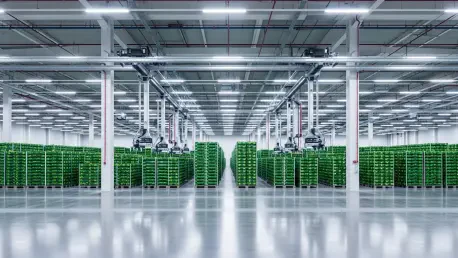
The logistical complexity of providing fresh produce to massive urban centers has evolved into a high-stakes race where every hour lost directly impacts food quality and the overall consumer experience. In the Berlin metropolitan area, the demand for rapid distribution to roughly 370 supermarkets
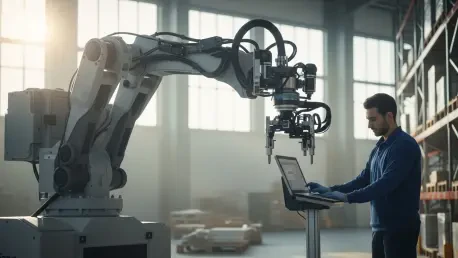
The sheer velocity at which global supply chains operate has reached a point where traditional human-centered logistics can no longer keep pace with the hyper-accelerated demands of modern e-commerce consumers. To address this discrepancy, the integration of generative artificial intelligence with