
Navigating the Shift Toward Renewed Growth
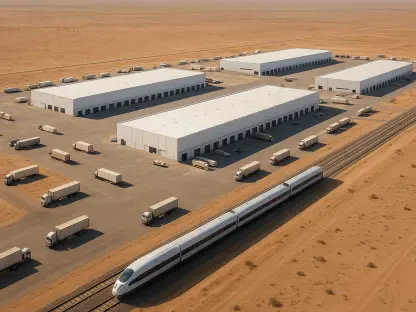
The European logistics landscape is undergoing a profound transformation as industrial occupiers pivot from cost-cutting measures toward aggressive portfolio expansion strategies. After a cooling period of nearly two years, the market is signaling a decisive recovery, with a significant majority of occupiers intending to enlarge their warehouse footprints within the next few years. This surge in confidence is not merely a reaction to increased consumer activity but a strategic recallection in a global environment where supply chain reliability has become the ultimate competitive advantage. The industry now faces the challenge of determining if its current infrastructure and economic conditions can sustain such a significant and rapid transition.
From Speculative Booms to Market Stabilization
To understand the current appetite for expansion, one must consider the recent history of the European industrial market and its movement through a period of necessary correction. Following an era of rapid, speculative development driven by a global pandemic-induced surge, developers and investors have shifted toward a more disciplined and risk-averse model. This transition has led to a healthier market foundation where new projects are increasingly dependent on confirmed occupier demand rather than optimistic projections of future needs. Stabilization has replaced volatility, ensuring that new capacity aligns more closely with the actual requirements of the modern economy.
The Structural Dynamics of Modern European Warehousing
Strategic Hubs: The Rise of Central and Eastern Europe
A critical aspect of the current expansion is the shifting geographic focus across the continent, with Poland emerging as a premier investment destination. Currently, over half of logistics firms in the region expect to require additional floor space by 2029, a sentiment that far exceeds the broader European average. This regional growth is fueled by third-party logistics providers and parcel services looking for cost-effective hubs that offer proximity to major consumer markets. Poland’s reputation has improved significantly, as industry professionals now rate its strategic potential and infrastructure quality above many established Western markets.
Operational Efficiency: New Criteria for Site Selection
Beyond general location, the criteria for choosing warehouse space have evolved to prioritize the human element and technical flexibility. Occupiers no longer view labor as a secondary concern; instead, labor availability and cost are now the primary drivers of site selection. Once a region is identified, the decision-making process shifts toward the total cost of occupancy and the building’s capacity for specialized fit-outs. In an era of economic volatility, the ability to scale operations within a flexible lease structure has become a vital benefit for businesses looking to pursue growth while mitigating long-term risk.
The Mandatory Integration of ESG and Sustainable Infrastructure
Sustainability has transitioned from a niche preference to an absolute industry standard that dictates market value. While many occupiers are willing to pay a small premium for net-zero facilities, the market is becoming increasingly unforgiving toward properties that fail to meet green standards. We are witnessing the emergence of a “brown discount,” where a substantial portion of occupiers now expect lower rents for buildings lacking modern Environmental, Social, and Governance certifications. This shift indicates that energy efficiency is now a baseline requirement for any developer looking to attract top-tier tenants.
Anticipating the Next Wave of Industry Innovations
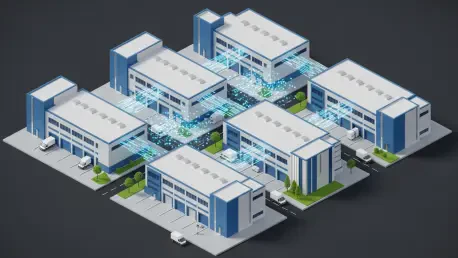
Looking ahead, the future of European logistics will be defined by how the industry navigates rising operational costs and the integration of advanced technologies. There is an increasing emphasis on automation to combat the persistent shortage of skilled labor and rising wage pressures. Furthermore, tightening regulatory frameworks regarding carbon emissions will likely accelerate the adoption of renewable energy sources within warehouse parks. Speculative insights suggest that the most successful players will be those who integrate data analytics to predict demand patterns, allowing for real-time footprint optimization and resilience against geopolitical supply chain disruptions.
Navigating Challenges: Actionable Best Practices
Despite the optimistic outlook, businesses must remain vigilant to manage the complexities of a growing market. To successfully navigate this expansion, occupiers and investors should focus on labor-centric locations to ensure facilities can be properly staffed. Investing in energy-efficient upgrades now is essential to avoid future financial penalties and ensure long-term asset liquidity. Finally, maintaining a high degree of lease flexibility allows companies to hedge against general economic uncertainty. By applying these strategies, firms can manage rising fuel and labor costs while positioning themselves to capitalize on the demand for high-quality logistics space.
Securing the Future of European Logistics
The resilience of the European logistics sector was established through a commitment to quality and strategic caution. The shift from a speculative mindset to a demand-driven model provided the industry with a sustainable path for expansion. While challenges regarding labor and rising rents persisted, the collective focus on sustainability and operational adaptability became the cornerstone of a more resilient market. By prioritizing ESG requirements and workforce trends, the sector proved that it was not only ready for growth but also prepared to thrive in an increasingly complex and competitive global landscape.