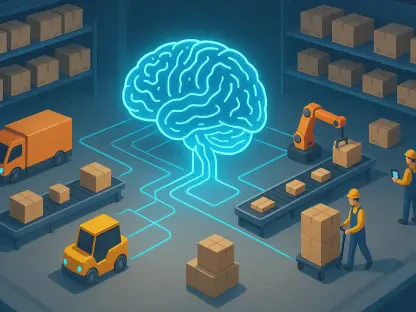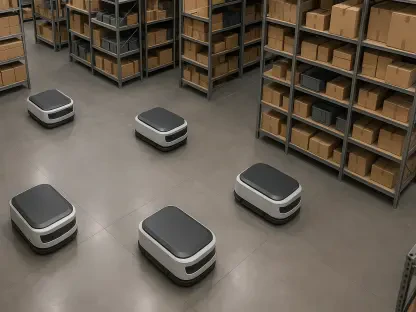
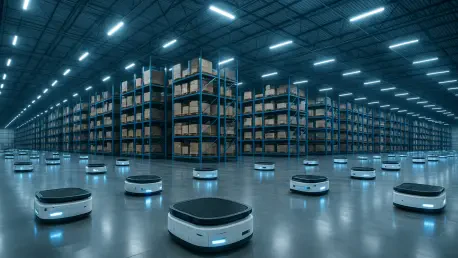
Total visibility across the entire facility is eliminating the black hole effect in distribution centers, where assets were once difficult to track with pinpoint accuracy in real time. The global smart warehousing sector is currently undergoing a major transformation, moving away from manual,
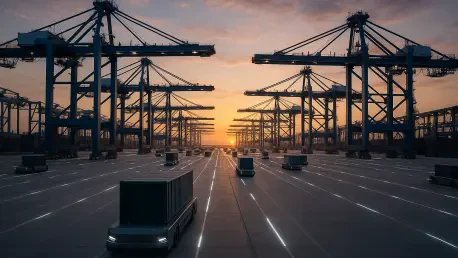
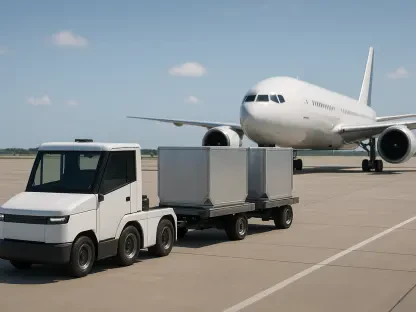
The global maritime landscape in 2026 presents a striking contradiction where the most advanced automated container terminals remain a statistical minority despite their overwhelming influence on international trade volumes. These high-tech facilities, though few in number, act as the central

European logistics providers are grappling with an unprecedented surge in consumer demand that has pushed antiquated legacy systems to their absolute breaking point. As supply chains across the continent face increasing pressure to deliver goods faster and more accurately, the transition to
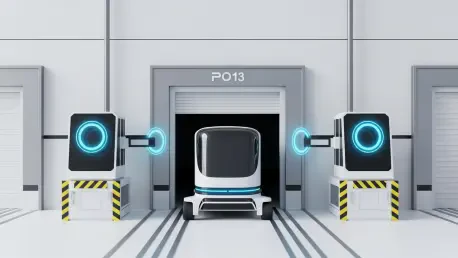
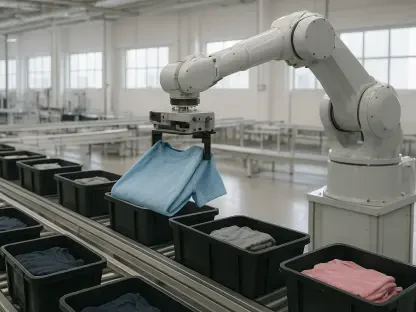
The persistent hum of electric motors and the rhythmic blinking of LED sensors have replaced the clatter of traditional forklifts as fulfillment centers across the globe transition toward a new era of fully autonomous operations. This transformation represents far more than a simple upgrade in
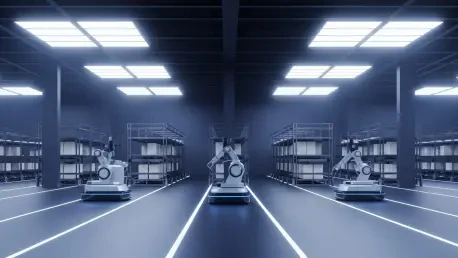
The rapid decentralization of global production networks has forced a fundamental rethink of how materials move through a facility, marking a definitive shift from static machinery to fluid, autonomous systems. As manufacturing and logistics hubs strive for greater agility, the limitations of

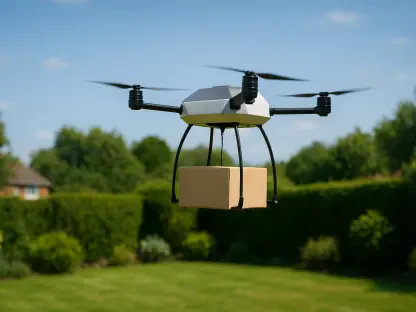
Mapping the Modern Logistics Ecosystem and the Final Frontier Commercial logistics systems have reached a historic tipping point as the global e-commerce market expands beyond the four trillion dollar mark, fundamentally altering how goods move through urban corridors. This shift from traditional