
Retailers are increasingly moving away from the inefficiency of manual shelf audits and toward sophisticated autonomous systems that merge computer vision with mobile robotics to achieve unprecedented operational clarity. This technology emerged to address the struggle of managing complex inventories while facing persistent labor constraints. It serves as a vital bridge between physical store conditions and digital management systems, ensuring that what appears on the screen matches what sits on the shelf.
The Foundation: Autonomous Shelf Monitoring and Data Synthesis
The synthesis of AI and mobile robotics allows for a digital twin of the retail environment to be created in real time. This modernization is unique because it shifts inventory control from reactive guesses to proactive management. By utilizing high-resolution sensors, these systems mitigate the “ghost inventory” problem where items are listed as in stock but are actually missing from the sales floor.
Key Performance Drivers: Retail Automation
Autonomous Robotic Scanning and Computer Vision
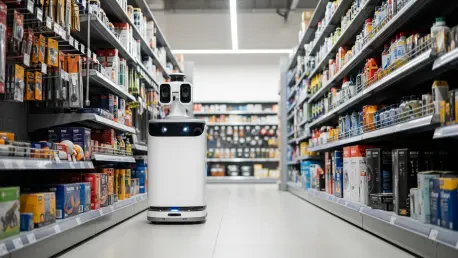
Mobile units navigate public aisles to capture high-resolution shelf data with far greater precision than human audits. These robots identify pricing errors and out-of-stock items with relentless frequency, often scanning thousands of products in a single pass. This mobility allows the system to see obstructed items that fixed-camera solutions often miss, providing a comprehensive view of the merchandising landscape.
Actionable Data Analytics and Workflow Integration
Software components translate raw visual data into prioritized action lists, transforming store associates from auditors into execution specialists. Instead of wandering aisles to find problems, staff receive direct instructions on where to fix pricing or restock shelves. This integration into daily workflows ensures that technology acts as a force multiplier for existing labor rather than a mere data-gathering gadget.
Emerging Trends: Automated Inventory and Labor Optimization
The industry is shifting from periodic manual counts to continuous shelf visibility, treating technology as a core operational partner. This “disciplined integration” is particularly effective in sectors like hardware and ranch supplies, where vast assortments make manual tracking nearly impossible. Continuous monitoring ensures that high-volume items are always available, directly correlating to increased sales and improved customer trust.
Implementation Success: Real-World Applications
The HomeBase USA expansion serves as a primary example of rapid, large-scale adoption, covering multiple states in under three months. Measurable outcomes included a 92% reduction in pricing errors and a dramatic shortening of physical inventory counts from days to mere hours. These results highlight how autonomous intelligence supports specialized industries by maintaining pricing integrity and ensuring product availability in diverse geographical regions.
Operational Challenges: Implementation Hurdles
Technical hurdles include the difficulty of syncing autonomous data with legacy point-of-sale systems and navigating varied store layouts. Furthermore, cultural resistance from staff can occur if the technology is not introduced as a supportive tool for their daily tasks. Ensuring safety and comfort for shoppers sharing aisles with robots remains an ongoing focus for developers to maintain a positive physical environment.
The Future Trajectory: Intelligent Retail Environments
The evolution of store intelligence points toward predictive restocking and hyper-personalized shopper insights driven by deeper machine learning. Advanced algorithms will soon master the recognition of irregular displays that currently pose challenges for computer vision. This trajectory suggests that autonomous monitoring will eventually become a foundational requirement for any brick-and-mortar retailer seeking long-term sustainability and profitability.
Summary and Final Assessment: Store Intelligence Technology
The transition of store intelligence from an experimental pilot to a retail requirement was justified by massive gains in accuracy and labor efficiency. The platform effectively solved the visibility gap, allowing management to make data-driven decisions that protected bottom-line revenue. The technology redefined operational excellence, proving that automated shelf visibility is essential for navigating the complexities of modern global retail.