
The rhythmic, quiet hum of nearly seven hundred autonomous robots gliding across the polished floors of a massive logistics facility in Vác, Hungary, represents a definitive break from the labor-intensive distribution models of the past. This facility, a 33,000-square-meter marvel of modern engineering, has effectively transformed Hungary from a simple transit country into a central intelligence node for the Central European Trade and Logistics Cooperation Zone. As goods flow from Asian manufacturing centers to European doorsteps, the integration of high-tech automation with strategic rail corridors is setting a new benchmark for global supply chain resilience.
This transition from traditional warehousing to the sophisticated Vác Smart Fulfillment Center reflects a broader industrial evolution where speed and precision dictate market dominance. No longer just a physical storage site, the facility serves as a vital anchor for the China-Europe Railway Express, facilitating the rapid movement of cross-border e-commerce. By consolidating massive storage capacity with cutting-edge robotics, the center bridges the gap between massive Chinese production and the localized demands of European consumers, ensuring that the logistics network remains agile in an increasingly volatile global economy.
The Modern Silk Road: Hungary’s Emerging Role in Global Logistics
The rise of the Central European Trade and Logistics Cooperation Zone marks a significant shift in the movement of goods between East and West. Hungary has positioned itself as a critical node in a high-tech supply chain that connects manufacturers in the East with consumers across the European continent. This evolution is driven by the need for more predictable shipping routes that bypass the traditional bottlenecks associated with maritime trade, allowing for a more direct and digitally managed flow of inventory.
Moreover, the strategic location of the Vác hub allows it to function as a pressure valve for the entire region. By integrating massive storage capacity with highly automated dispatching systems, the facility provides the necessary infrastructure for the China-Europe Railway Express to operate at peak efficiency. This synergy between rail transport and localized distribution ensures that goods do not merely arrive in Europe but are moved to their final destinations with unprecedented speed.
Driving Efficiency Through Automation and High-Speed Connectivity
Robotic Revolution: The Shift Toward Fully Autonomous Fulfillment
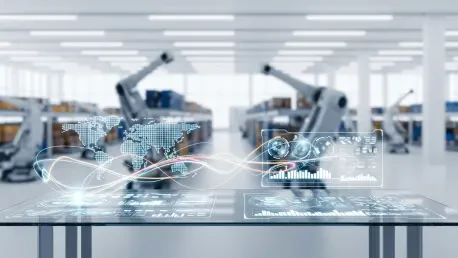
The logistics industry is currently undergoing a radical transformation as automated systems replace traditional sorting and retrieval methods. In the Vác hub, a fleet of approximately 700 robots manages the movement of goods, navigating a complex network of shelves with mathematical precision guided by advanced algorithms. This shift toward smart fulfillment minimizes human error and allows for a quiet, rhythmic operation that stands in stark contrast to the chaotic nature of legacy distribution centers where manual forklifts once dominated the floor.
As consumer behavior continues to favor the instant gratification model of modern e-commerce, these emerging technologies are becoming the standard for maintaining competitive throughput. The reliance on digital intelligence means that the facility can adapt to fluctuating order volumes in real time, optimizing the path of every robot to ensure that no time is wasted. This level of automation is no longer a luxury but a necessity for survival in a market where delivery windows are measured in hours rather than weeks.
Quantifying the Impact: Scale, Throughput, and Market Projections
The scale of modern smart hubs is reshaping market expectations regarding delivery timelines and volume management on a continental scale. Equipped to handle 150,000 parcels daily and store over 110,000 bins for consumer items, the Vác facility provides the infrastructure necessary for high-volume platforms to thrive in the European market. These capacity figures represent a significant jump in regional logistics capabilities, allowing for a higher density of stock to be maintained closer to the end-user.
Forward-looking projections suggest that as rail-sea intermodal corridors—such as the route from Ningbo to Budapest—become more streamlined, the demand for these automated distribution points will continue to grow. Reliable and stable logistics have become the cornerstone of future Eurasian trade performance, encouraging more businesses to shift their inventory management toward these high-tech hubs. This growth is anticipated to continue through the end of the decade as the cost-benefit ratio of automation becomes even more favorable for international traders.
Navigating the Friction Points of Intercontinental Distribution
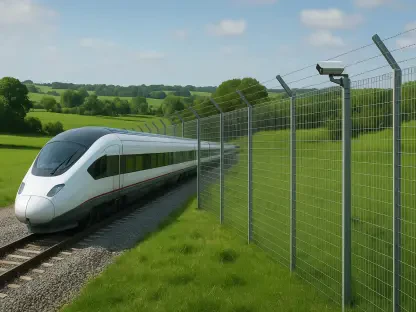
Despite these technological leaps, the industry faces significant hurdles in balancing multi-modal transport and regional infrastructure limits. Regional airports often struggle to keep pace with the explosive growth of e-commerce, creating bottlenecks that threaten the stability of the entire supply chain. The smart hub strategy addresses these challenges by diversifying transport routes, utilizing the China-Europe Railway Express as a faster alternative to maritime shipping and a more cost-effective option than air freight.
By consolidating cargo from various railway lines and streamlining the transition from rail to robot, the industry is developing more resilient strategies to overcome geographic and capacity-driven obstacles. However, the success of this model depends on the continued synchronization of international rail schedules and the digital systems that track cargo across multiple borders. This integration helps to mitigate the impact of localized disruptions, ensuring that the flow of trade remains steady even when traditional routes face complications.
Strategic Governance and the Digital Regulatory Framework
The success of high-tech logistics is deeply intertwined with a supportive regulatory environment and national economic priorities that favor digital transformation. In Hungary, the government has recognized the Vác hub as a key project, granting it the nation’s first official license for an e-commerce logistics park. This regulatory backing facilitates smoother customs clearance and ensures compliance with European standards while encouraging foreign investment into the region’s infrastructure.
Such frameworks are essential for establishing security measures and standardized protocols that allow for the seamless flow of digital and physical assets across international borders. By creating a clear legal path for automated logistics, Hungary has set a precedent for other nations looking to modernize their trade corridors. This alignment between policy and technology ensures that the hub can operate at maximum capacity without being hindered by outdated administrative hurdles.
The Future Landscape of Integrated Eurasian Supply Chains
Looking ahead, the integration of physical rail networks with digital intelligence will continue to redefine the very nature of global commerce. The industry is moving toward a future where smart systems are not just an advantage but a fundamental requirement for navigating market disruptions. We can expect to see further innovations in AI-driven logistics and a deepening of the economic ties between Asian production centers and European households as these corridors become more established.
Enhanced environmental sustainability through rail-focused transport will also play a larger role in shaping future trade agreements and corporate logistics strategies. As the carbon footprint of air and sea travel remains under scrutiny, the efficiency of the rail-to-robot model offers a more sustainable path forward for high-volume trade. This shift will likely lead to an increase in localized assembly and customization services within these smart hubs, further shrinking the distance between manufacturing and consumption.
Synthesis of Innovation: Hungary as the Gateway to a Unified Trade Network
The Vác Smart Fulfillment Center established a precedent for how physical and digital infrastructure could coexist to shorten the geographic gap between continents. Industry leaders observed that the successful integration of robotic precision with transcontinental rail lines offered a blueprint for mitigating future global shocks. Investors shifted their focus toward regions that prioritized regulatory flexibility and technological adoption, recognizing that the era of simple storage had ended in favor of dynamic, automated distribution.
The facility proved that a unified trade network required more than just tracks and warehouses; it demanded a synthesis of government support and algorithmic intelligence. As trade volumes increased, the hub provided a scalable solution that balanced economic growth with operational stability. Stakeholders realized that the next logical step involved the expansion of these smart corridors into neighboring territories to create a frictionless European logistics grid. This evolution solidified the role of technology as the primary driver of international economic cooperation, ensuring that the flow of goods remained resilient in an interconnected world.