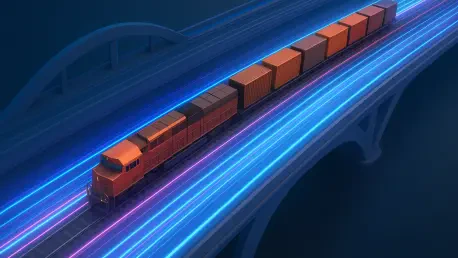
The European rail freight sector stands at a critical crossroads where the ambition of the European Green Deal meets the harsh reality of aging infrastructure and fragmented national regulations. As the continent strives for a carbon-neutral future, rail is positioned as the primary lever for

The modern supply chain has long suffered from a persistent lack of transparency where shipments vanish into digital blind spots during transit across remote oceanic or aerial routes. Historically, logistics providers relied on a checkpoint-based architecture, where visibility was only as good as

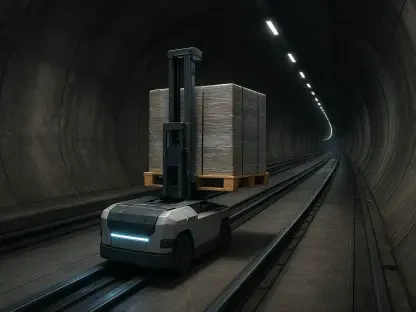
The global landscape of industrial logistics has undergone a profound transformation as autonomous technology shifts from experimental laboratory prototypes to robust, real-world deployment on airport tarmacs and factory floors. This evolution culminated in the official launch of TLD Robotics, a

Modern logistics facilities are currently pouring millions of dollars into state-of-the-art robotic systems while simultaneously neglecting the very technical infrastructure required to keep those assets operational. This structural imbalance threatens the return on investment for companies that

Global industrial networks are currently experiencing a profound structural realignment as artificial intelligence matures from a peripheral experimental tool into the central nervous system of modern logistics operations. This transition marks the end of an era defined by reactive problem-solving
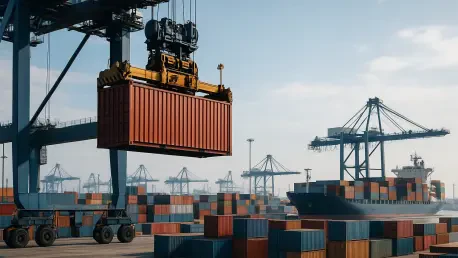
The seamless arrival of a designer package at a consumer's doorstep relies on a sophisticated orchestration of global variables that were once relegated to the status of administrative afterthoughts. In an environment where a single viral post can deplete global inventory in hours, the ability to