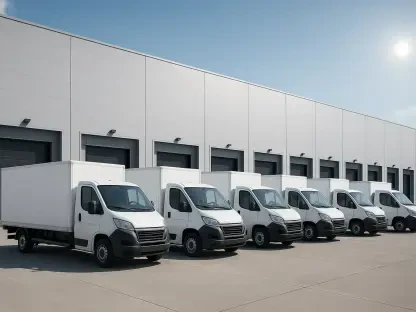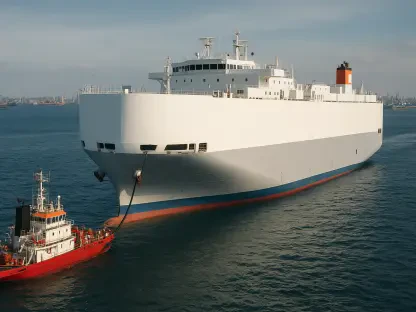

The heavy demand for freight logistics in the Baltic region is being met by ships capable of carrying 5,400 lane meters of trucks and trailers. This shift toward massive capacity and environmental stewardship defines the current maritime landscape, particularly for operators navigating the sensitive waters between Germany and Scandinavia. TT-Line has consistently positioned itself at the forefront of this transformation by commissioning new battery-hybrid ferries that prioritize low-emission performance without sacrificing operational throughput. A critical component of these vessels is the sophisticated cargo handling infrastructure provided by MacGregor, a leader in maritime engineering. By integrating advanced bow and stern ramps alongside internal access systems, the designer ensures that these vessels can minimize turnaround times in port. This approach is essential for maintaining tight schedules in one of the world’s busiest shipping corridors while reducing the carbon footprint through logistics.
Technical Innovation: RoRo Systems
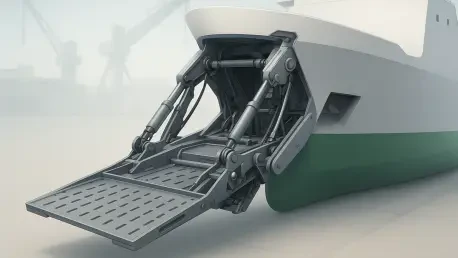
The specialized RoRo equipment package delivered for these newbuilds represents a culmination of decades of technical refinement in cargo access technology. The design includes wide stern ramps that facilitate simultaneous loading and unloading of multiple vehicle decks, significantly enhancing the ship’s versatility in handling diverse cargo types from industrial trailers to passenger cars. Furthermore, the internal ramp systems are engineered to move smoothly under heavy loads, ensuring that internal traffic flow remains uninterrupted during the critical docking window. MacGregor’s engineers focused on maximizing the available lane meters while maintaining strict safety standards. By utilizing high-tensile steel and precision hydraulic systems, the equipment provides the durability needed for the rigorous weather conditions found in the Baltic Sea. This structural integrity is paired with smart control systems that allow crew members to monitor ramp positions and load distributions in real-time.
Collaboration between the vessel designers and the equipment manufacturer started early in the conceptual phase to ensure that every mechanical component integrated seamlessly with the ship’s unique hybrid hull form. Guangzhou Shipyard International, tasked with the construction of these complex ferries, relied on precise technical documentation and modular components to streamline the installation process. This international cooperation highlights the global nature of modern shipbuilding, where German operational requirements meet Finnish engineering and Chinese manufacturing prowess. The integration of the ramp systems required careful calibration to account for the battery compartments and electric propulsion systems that occupy significant space within the lower decks. By solving these spatial challenges, the project team ensured that the ferry’s hybrid capabilities did not come at the expense of its primary mission. The resulting vessels demonstrate a perfect balance between massive volume and energy management.
Green Efficiency: Modern Logistics
The environmental benefits of the new battery-hybrid ferries extend far beyond their propulsion systems, as every piece of onboard equipment was scrutinized for weight and energy consumption. MacGregor’s contribution to this efficiency is found in the weight-optimized designs of the bow and stern doors, which reduce the overall displacement of the vessel. A lighter ship requires less energy to move, directly extending the range of the onboard battery arrays during zero-emission port maneuvers. Furthermore, the electric-drive options for certain ramp operations eliminate the risk of hydraulic fluid leaks into the marine environment, aligning with the strict ecological regulations governing Baltic ports. This holistic approach to green shipping ensures that the vessels meet the rising expectations of both regulators and environmentally conscious cargo customers. As the industry moves toward 2030, the ability to operate cleanly in proximity to urban centers has become a significant advantage for the fleet.
The successful implementation of these cargo systems established a new benchmark for how heavy-duty logistics could coexist with stringent environmental goals. Industry stakeholders observed that the transition to hybrid power necessitated a complete rethinking of deck layouts and loading protocols. To maximize the ROI on such advanced assets, operators were advised to implement comprehensive digital monitoring of all RoRo components to predict maintenance needs before they impacted schedules. This proactive maintenance strategy, combined with the energy-saving features of the MacGregor equipment, offered a clear path for other Baltic operators to follow. Shipowners prioritized the retrofitting of older vessels with similar high-efficiency ramp systems to maintain fleet-wide consistency. By focusing on the synergy between cargo flow and energy management, the maritime sector moved closer to a sustainable future. Future projects looked to these battery-hybrid vessels as a blueprint for balancing the trade with decarbonization.