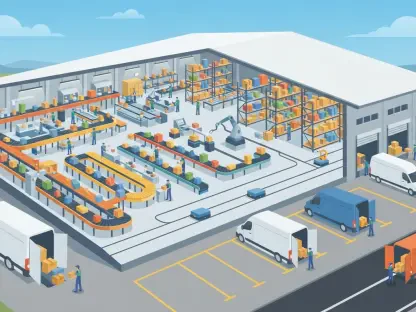

The integration of AI-driven logistics and robotics in warehouses is expected to reach widespread implementation within the next five years. This technological leap comes at a pivotal moment when the global air cargo industry is navigating a transition from traditional manual processes toward a fully integrated, data-driven ecosystem. As of 2026, the sector is demonstrating remarkable resilience by pivoting toward more agile operational models despite lingering economic uncertainties and rising costs. This fundamental evolution is not simply about accelerating the physical movement of goods across borders but rather about mastering the complex streams of information that accompany every shipment. Successful carriers are those that recognize that the speed of the flight is now secondary to the speed and accuracy of the data. By prioritizing transparency and predictive analytics, stakeholders can mitigate risks associated with shifting trade flows while meeting the increasingly stringent requirements of international customs authorities and sustainability mandates.
Analyzing Market Dynamics: Balancing Capacity and Trade Lane Dominance
Current market dynamics are characterized by a significant disparity between growing cargo demand and the available belly capacity in passenger aircraft. Recent industry metrics indicate that demand is consistently outstripping supply growth, which has pushed load factors to levels of near-peak efficiency. This tightening of the market environment grants carriers a greater degree of selectivity regarding their pricing strategies, which in turn forces freight forwarders to optimize their space utilization with extreme precision. The resulting competition for limited space has transformed the procurement process into a strategic exercise where only the most technologically proficient players can secure consistent capacity. As airlines focus on high-yield cargo, shippers must adapt by finding new ways to bundle shipments or by committing to longer-term contracts to hedge against potential rate volatility. This environment necessitates a more nuanced approach to logistics planning that balances cost with reliability.
Growth across global trade lanes remains strikingly uneven, with high-tech corridors like the route between Asia and North America leading the market due to the persistent boom in artificial intelligence hardware and semiconductor production. These high-value sectors rely heavily on the speed of air transport to maintain lean supply chains and meet rapid innovation cycles. Conversely, traditional routes connecting Europe and Asia are experiencing a cooling effect, largely influenced by new regulatory frameworks regarding e-commerce tax exemptions. The elimination of certain de minimis thresholds has increased the administrative burden on small-package shipments, causing a localized slowdown in volume. This polarization suggests that the future of air cargo is becoming increasingly tethered to specific high-growth industries rather than broad, general economic trends. Understanding these regional shifts is essential for carriers who must reallocate their assets to follow the shifting flows of high-margin commodities.
Evaluating Operational Efficiency: Modal Shifts and Digital Standardization
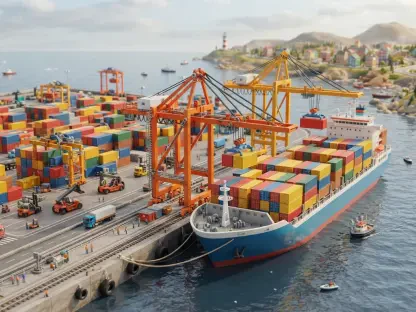
The economic relationship between sea and air transport is undergoing a visible shift as maritime disruptions continue to cause container rates to spike in unpredictable patterns. Port congestion and geopolitical tensions in major shipping lanes have narrowed the price gap between the two modes, triggering a noticeable modal shift. Shippers who previously relied on ocean freight are increasingly moving time-sensitive goods by air to bypass terrestrial bottlenecks and ensure inventory stability. While this trend provides a welcome volume boost for the air cargo sector, the operational advantage is often offset by the inherent volatility of the global energy market. Airlines are forced to manage fluctuating fuel prices alongside rising labor costs, which places immense pressure on their overall profit margins. To remain sustainable, logistics providers are exploring hybrid solutions that combine the reliability of air transit with the cost-effectiveness of ground distribution networks to offer flexible service tiers.
A critical hurdle currently facing the industry is the persistent digital bottleneck caused by substandard data quality and fragmented legacy computer systems. Modern customs authorities and regulatory bodies now demand highly granular, real-time information for both taxation purposes and mandatory sustainability reporting. Despite the availability of modern interfaces, a staggering percentage of global shipments still suffer from documentation errors or missing data points. These administrative failures lead to tangible delays at international borders, demonstrating that manual data entry and informal email communication are no longer compatible with the demands of modern global trade. The friction caused by these outdated practices not only increases operational costs but also undermines the reliability of air cargo as a premium service. Overcoming this bottleneck requires a collective commitment to retiring obsolete technologies in favor of automated systems that ensure data integrity throughout the journey.
The industry addressed these documentation crises by accelerating the adoption of unified standards like the IATA ONE Record initiative, which established a shared view of every shipment. By moving toward a common digital language, stakeholders across the supply chain eliminated many redundant errors and ensured higher levels of regulatory compliance. This transition was supported by the rapid integration of artificial intelligence, which automated the verification of air waybills and customs declarations. Logistics providers realized that long-term stability required a fundamental rethink of infrastructure and inter-agency collaboration. Ultimately, the move toward transparency and real-time data integration created a more resilient framework that benefited all global participants. Moving forward, the focus shifted toward the refinement of these digital assets to ensure that air cargo remained a vital and efficient pillar of international commerce, with future investments targeting decentralized ledgers and green aviation technology.