
The intricate orchestration of moving physical goods across oceans and continents has transformed from a labor-intensive necessity into a high-stakes digital frontier where data points are as valuable as the cargo themselves. As the world navigates the midpoint of this decade, the logistics sector stands as the definitive circulatory system of global commerce, sustaining the complex demands of an interconnected society. In 2026, the industry is no longer viewed as a peripheral support function but as a primary driver of competitive advantage and national resilience. The valuation of this market, currently hovering above the ten-trillion-dollar mark, reflects a period of intense transition where traditional transportation methods are merging with advanced computational intelligence. This expansion is not merely a matter of moving more volume; it represents a fundamental shift in how value is created, tracked, and delivered across borders. Understanding this landscape requires an examination of the massive technological investments and shifting trade patterns that are currently redefining the limits of efficiency and sustainability. By looking at the trajectory of the next decade, one can see a market poised to nearly double in value as it adapts to a world where speed is a baseline requirement and intelligence is the ultimate differentiator.
The Evolution: Navigating the Historical Foundations of Trade
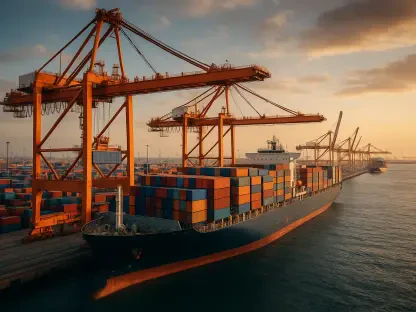
To comprehend the sophistication of the modern logistics network, it is essential to trace the pivotal shifts that transitioned the industry from manual fragmentation to the highly synchronized systems utilized today. Historically, the movement of goods was a cumbersome process dominated by physical labor and “asset-heavy” models that relied on owning every link in the chain. The mid-20th century provided the first major spark of modernization with the advent of containerization, a development that standardized the physical unit of trade and allowed for the seamless movement of cargo between ships, trains, and trucks. This standardization laid the groundwork for the era of globalization, enabling manufacturers to source components from distant continents with a level of reliability that was previously impossible. These foundational concepts of speed and cost-efficiency became the bedrock upon which the industry was built, yet they also created a dependency on long, lean supply chains that were eventually tested by unprecedented global disruptions.
As the late 20th century progressed, the rise of Third-Party Logistics (3PL) introduced a new layer of professionalization, allowing companies to outsource complex warehousing and transportation tasks to specialized providers. This period marked the beginning of a move toward “asset-light” strategies, where information management became just as critical as physical infrastructure. The “just-in-time” manufacturing revolution further refined these networks, pushing the industry toward a state of constant motion where inventory was kept at a minimum and delivery windows were narrowed to hours. These historical developments were not just technical achievements; they represented a psychological shift in how businesses perceived distance and time. The legacy of these shifts is visible in the current landscape of 2026, where the reliability of sea freight and the speed of air transport are now being augmented by digital layers that provide real-time visibility into every container and pallet on the planet.
The significance of these background factors cannot be overstated when analyzing the future because the industry is currently in the process of rectifying the vulnerabilities inherent in those older, rigid models. While the pursuit of cost-efficiency once led to overly centralized production hubs, the current decade is seeing a rebalancing of those networks. The industry has moved into a “just-in-case” philosophy that emphasizes resilience and localized warehousing without sacrificing the digital connectivity established during the globalization boom. This historical context provides the necessary perspective to understand why the market is currently investing so heavily in diversification and technology. The foundations laid by the container and the computer are now being integrated into a more holistic, intelligent framework that can withstand the volatility of a changing world.
The Technological Vanguard: Market Dynamics and Innovations
The Intelligence Wave: Integration of Intelligence and Automation
A defining characteristic of the current logistics market is the pervasive integration of “Industry 4.0” technologies, which have moved from experimental prototypes to operational imperatives. Artificial Intelligence (AI) and Machine Learning (ML) are currently functioning as the central nervous system of the supply chain, enabling a level of predictive capability that was unimaginable even five years ago. In 2026, logistics providers are utilizing these tools to process vast amounts of unstructured data, ranging from weather patterns and port congestion metrics to social media trends that might signal a surge in consumer demand. This “intelligence” allows for prescriptive analytics, where the system doesn’t just predict a delay but automatically reroutes shipments to avoid it. The impact on operational overhead is profound, as AI-driven route optimization has significantly reduced fuel consumption and idling time for global fleets, directly contributing to both the bottom line and environmental targets.
However, the transition to an intelligence-first model is not without its hurdles, primarily centered on the high capital expenditure required to overhaul legacy systems. While the benefits of “smart” warehouses—equipped with autonomous mobile robots (AMRs) and automated storage and retrieval systems (AS/RS)—are clear, the initial investment can be prohibitive for smaller operators. This has led to a widening gap between industry giants who can afford to automate and smaller firms that struggle to keep pace. Moreover, the integration of these technologies necessitates a massive upskilling of the workforce, as the demand for manual labor is replaced by a need for technicians and data analysts who can manage complex robotic ecosystems. Despite these challenges, the data suggests that the surge in AI investment will act as a force multiplier for the broader industry, driving the market toward that nearly $20 trillion valuation by the mid-2030s.
Furthermore, the emergence of digital twins has revolutionized the planning phase of logistics. By creating a virtual replica of an entire supply chain, companies can simulate “what-if” scenarios, such as the impact of a major port closure or a sudden spike in fuel prices, without any real-world risk. This allows for a level of strategic agility that makes modern logistics networks far more resilient than their predecessors. In 2026, the use of blockchain technology has also matured, providing a secure and transparent method for managing international trade documentation and payments. This reduces the administrative friction that traditionally slowed down cross-border movements, turning the focus from paperwork to actual physical movement. The combination of these technologies is creating a more fluid, intelligent, and secure marketplace that rewards those who can master the data as effectively as the delivery.
The City Challenge: Complexity of Urban Fulfillment and the Last Mile
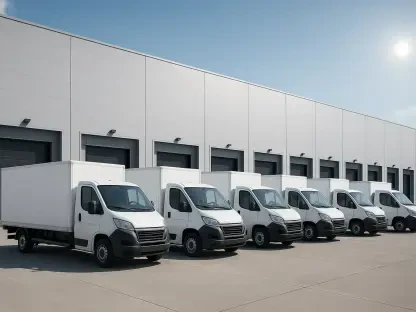
The continued dominance of e-commerce has fundamentally reshaped the requirements of the global supply chain, shifting the logistical center of gravity from massive bulk shipments to millions of individual parcel deliveries. This transition has focused intense scrutiny on the “last mile,” which remains the most expensive and operationally complex portion of a product’s journey. As global populations continue to cluster in dense megacities, the challenge of navigating urban congestion while meeting consumer expectations for hyper-fast delivery has reached a critical point. In 2026, logistics providers are responding with a variety of localized strategies designed to bring products closer to the consumer before they are even ordered. Micro-fulfillment centers, often located in repurposed retail spaces or small urban warehouses, have become a staple of the urban landscape, allowing for the rapid dispatch of goods via a variety of novel transport modes.
The deployment of autonomous sidewalk robots and delivery drones has moved beyond the pilot phase in many regions, offering a potential solution to the labor shortages and traffic delays that plague urban delivery networks. These innovations are particularly useful for small, high-frequency deliveries, such as groceries or pharmaceuticals, where the cost of a traditional delivery van and driver would be disproportionately high. However, the integration of these technologies faces significant regulatory and social hurdles. Navigating the legal frameworks of different municipalities regarding drone flight paths and sidewalk robot safety requires a level of coordination that is still evolving. Furthermore, public acceptance of autonomous vehicles in crowded pedestrian spaces is a factor that logistics companies must carefully manage through transparent operations and robust safety protocols.
In addition to autonomous hardware, the shift toward “crowdsourced” delivery models has provided a flexible, though sometimes controversial, labor pool for peak periods. By utilizing gig-economy drivers to handle surges in volume, logistics firms can scale their operations without the overhead of a permanent fleet. This flexibility is essential in an era where consumer demand can be highly volatile, driven by social media trends and seasonal events. Nevertheless, the reliance on such models raises questions about service consistency and long-term labor sustainability. To address these risks, the industry is increasingly looking toward a hybrid approach that combines the reliability of professional fleets with the scalability of urban technology hubs. This evolution represents a pivot toward hyper-local logistics, where success is measured not just in days or hours, but in the minutes it takes to navigate a few city blocks.
The Global Map: Regional Shifts and Emerging Trade Corridors
The geography of global trade is currently undergoing a radical reorganization, driven by a combination of geopolitical factors and the pursuit of supply chain resilience. While North America and Europe remain central hubs for technological innovation and consumption, the Asia-Pacific region has solidified its position as the primary growth engine for the logistics market. The “China Plus One” strategy, which gained momentum earlier in the decade, has led to a massive diversification of manufacturing into Southeast Asian nations like Vietnam and Thailand, as well as Mexico. This shift has necessitated the development of new, resilient logistics corridors that can handle the increased volume of trade between these emerging manufacturing hubs and the world’s major consumer markets. In 2026, we are seeing the results of massive infrastructure investments in these regions, from deep-water ports in Vietnam to expanded rail links across the North American continent.
The Middle East is also asserting itself as a critical gateway between the East and the West, utilizing its strategic location to become a global hub for both air and sea freight. Massive projects in Saudi Arabia and the United Arab Emirates have created state-of-the-art logistics zones that offer seamless integration between different transport modes and favorable regulatory environments for international firms. These regional developments challenge the common misconception that global trade is retreating; instead, it is being redistributed into a more complex and multipolar network. Addressing these regional shifts requires a nuanced understanding of local markets, such as the rapid digitalization occurring in African trade corridors. Many observers overlook the fact that Africa is leapfrogging traditional infrastructure by adopting mobile-first logistics platforms that connect small-scale producers directly with global buyers, creating new links in the world’s circulatory system.
Moreover, the rise of “nearshoring” and “friend-shoring” is changing the physical distance that many goods travel. By moving production closer to the end consumer—such as the surge of manufacturing in Mexico to serve the United States market—companies are reducing their exposure to trans-Pacific disruptions and lowering their overall carbon footprint. This regionalization of trade doesn’t mean the end of global logistics; rather, it means that the role of the logistics provider has become more sophisticated. Managing a regional network requires a deep understanding of local customs, labor markets, and infrastructure limitations. As these new corridors mature, they are creating a more balanced global trade environment where multiple regions contribute to the stability and growth of the market. The ability to navigate these shifting regional dynamics is now a prerequisite for any logistics firm aiming to thrive in the lead-up to 2035.
Emerging Trends and the Road to 2035
As we project the trajectory of the logistics market over the next decade, three distinct waves of evolution are expected to define the industry’s landscape. The first, which is already well underway in 2026, is the Autonomy Wave. This period is characterized by the widespread adoption of autonomous trucks on long-haul highway routes and the integration of automated sorting systems in every major distribution hub. The technology has matured to a point where safety concerns are being addressed through robust sensor suites and redundant systems, allowing for 24/7 operations that significantly increase the utilization of physical assets. This wave is not just about replacing drivers; it is about creating a more predictable and efficient flow of goods that can operate regardless of human labor constraints. By the late 2020s, the sight of autonomous platoons on major freight corridors will likely be a standard feature of the global economy.
Following the surge in autonomy, the Intelligence Wave will take center stage, transitioning the industry from “predictive” to “prescriptive” operations. In this phase, the AI systems managing the supply chain will have sufficient data and authority to make procurement, inventory, and routing decisions autonomously. We are moving toward a “self-healing” supply chain that can detect a potential disruption in a raw material source and automatically secure an alternative supplier before the production line even realizes there is a problem. This level of intelligence will turn logistics into a truly proactive force, where the movement of goods is synchronized with real-time global demand at a granular level. The impact on waste and overproduction will be significant, as the “bullwhip effect”—where small fluctuations in consumer demand cause massive ripples of inefficiency up the supply chain—is finally dampened by precise, data-driven management.
Finally, by the mid-2030s, the Circular Wave will rise, fundamentally altering the economics of the logistics market. As sustainability moves from a corporate goal to a hard-coded regulatory requirement, “reverse logistics” will become as important and profitable as forward logistics. This wave involves the systematic return, refurbishment, and recycling of products at the end of their lifecycle, integrated directly into the standard delivery network. Logistics providers will no longer just be responsible for getting a product to a door; they will be the architects of a closed-loop system where every item is eventually retrieved and fed back into the manufacturing cycle. This shift, combined with the aggressive adoption of hydrogen-powered shipping and electric air cargo fleets, suggests a future where the logistics industry is not only faster and more intelligent but is also a primary driver of the global transition to a circular economy.
The regulatory landscape will also play a pivotal role in these shifts, as governments around the world implement stricter carbon pricing and environmental disclosures. In 2026, we are already seeing the impact of these policies in Europe and parts of Asia, where logistics companies are incentivized to modernize their fleets and optimize their networks. This trend will only accelerate, making environmental efficiency a key metric of market valuation. Furthermore, the push for digital sovereignty and data privacy will lead to new standards for how logistics data is shared across borders. Companies that can navigate these complex regulatory waters while maintaining high levels of operational performance will be the ones that dominate the market as it approaches the end of the next decade. The road to 2035 is paved with technological innovation, but it is the ability to integrate these innovations into a sustainable and socially responsible framework that will define the winners.
Strategic Frameworks for Industry Stakeholders
For businesses and professionals to successfully navigate this period of intense transformation, they must adopt actionable strategies that prioritize flexibility and deep data integration. The prevailing mentality in 2026 is “digital or die,” which reflects the reality that real-time visibility and predictive capability have become baseline requirements for survival. Logistics providers should focus on building robust digital architectures that can easily integrate with the systems of their clients and partners. This interoperability is essential for the Fourth-Party Logistics (4PL) model, which is increasingly becoming the standard for large-scale operations. A 4PL provider acts as a strategic integrator, managing the entire supply chain by coordinating multiple 3PLs and technology vendors through a single, unified platform. For manufacturers and retailers, transitioning to this model can provide the high-level oversight needed to manage the complexities of modern, regionalized trade routes.
Moreover, stakeholders must prioritize resilience over pure cost-efficiency. The disruptions of previous years demonstrated that the cheapest supply chain is often the most fragile, and in 2026, the market rewards those who have built “slack” and redundancy into their networks. This includes diversifying supplier bases across different geographic regions and maintaining strategic buffer stocks in localized warehouses. For professionals in the field, this requires a shift in mindset from traditional operational management to a more holistic approach that considers geopolitical risk, environmental impact, and technological readiness. Upskilling remains a critical component of this strategy; organizations must invest in training their workforce to handle the sophisticated AI tools and robotic systems that now define the modern warehouse and transport hub.
Sustainability must also be treated as a core business function rather than a secondary concern. As carbon taxes and environmental regulations become more stringent, the ability to offer “green” logistics solutions will be a significant competitive advantage. This involves more than just buying electric vans; it requires a complete rethink of the logistics network to minimize empty miles, utilize intermodal transport where possible, and participate in circular economy initiatives. Companies should begin auditing their carbon footprint across the entire supply chain and setting verifiable targets for reduction. Consumers and business partners alike are increasingly making decisions based on these metrics, and those who can demonstrate a commitment to decarbonization will be better positioned to secure long-term contracts and investment.
Finally, the importance of data security and cybersecurity cannot be overstated. In a world where every pallet is tracked and every truck is connected to the cloud, the logistics network becomes a prime target for cyberattacks. Industry stakeholders must implement rigorous security protocols and foster a culture of vigilance to protect the integrity of their data and the safety of their physical assets. This includes utilizing advanced encryption for communication, conducting regular security audits, and ensuring that all partners in the supply chain adhere to high standards of digital hygiene. By building a foundation of security and trust, logistics firms can ensure that their digital transformation remains a source of strength rather than a vulnerability. Those who successfully implement these strategic frameworks will not just survive the transition to 2035; they will be the leaders who define the next era of global trade.
The Architecture of Future Commerce: A Concluding Analysis
The analysis of the global logistics market demonstrated that the industry moved far beyond its traditional roots as a manual labor sector, successfully evolving into a sophisticated high-tech service environment. The projected growth toward a valuation of nearly $19.3 trillion by the mid-2030s reflected a fundamental increase in the inherent value of intelligence, speed, and environmental stewardship. Throughout the middle of this decade, the sector proved that the ability to manage information was just as critical as the ability to move physical weight. Strategic leaders across the globe recognized that the previous models of rigid, centralized supply chains were no longer viable in a world defined by rapid regional shifts and unpredictable disruptions. Instead, they adopted more agile, data-driven frameworks that allowed for a level of responsiveness that was previously impossible.
The technological shift toward autonomy and artificial intelligence provided the necessary tools to overcome long-standing challenges in labor and efficiency. By the time the industry reached the current point in 2026, the integration of “smart” technologies had already begun to yield significant dividends in the form of reduced fuel consumption and optimized urban delivery. Businesses that prioritized digital integration found themselves at a distinct advantage, as they were able to offer the real-time transparency that modern consumers and partners demanded. The rise of the 4PL model further streamlined these efforts, allowing for a more holistic management of global trade corridors. These developments suggested that the logistics industry had become the definitive architect of future commerce, providing the essential infrastructure upon which all other economic activity relied.
Furthermore, the focus on sustainability and the circular economy introduced a new dimension of value to the market. The transition toward electric fleets and green shipping fuels was not merely a response to regulatory pressure but a strategic move toward long-term operational resilience. Stakeholders who invested in reverse logistics and closed-loop systems positioned themselves as central figures in the global effort to build a more sustainable economic model. This shift provided a clear path forward for the industry, where the definition of success expanded to include environmental and social impact alongside traditional financial metrics. The sector’s ability to adapt to these new requirements while continuing to drive global growth highlighted its indispensable role in the modern world.
The findings from this market analysis indicated that the next decade would be defined by a continued convergence of physical and digital systems. Actionable steps for the future included an even deeper commitment to data security and a renewed focus on regional infrastructure development to support a multipolar trade world. Professionals in the field were encouraged to maintain a posture of constant learning, as the rapid pace of technological change showed no signs of slowing. As the world moved closer to 2035, the logistics market stood ready to facilitate the next wave of human progress, ensuring that goods and ideas could move freely and intelligently across a connected planet. The architects of this new era of commerce were those who understood that the future was not something that happened to them, but something they actively built through every shipment, every algorithm, and every strategic decision.