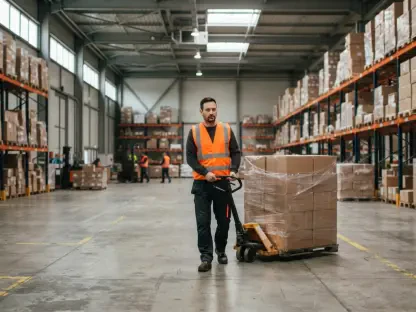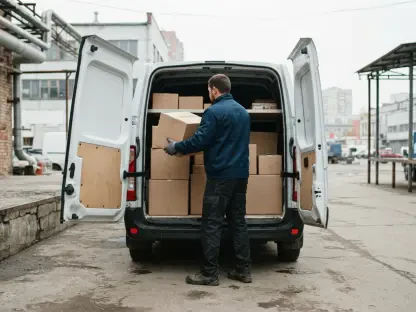
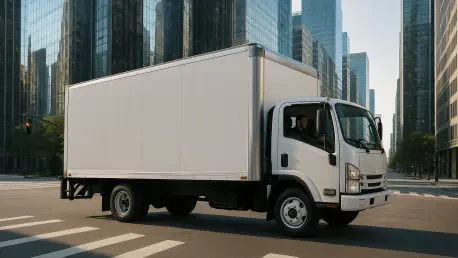
Shippers frequently find themselves trapped between two extremes: paying for a full 53-foot trailer that remains half-empty or navigating the complex surcharges of Less-than-Truckload (LTL) networks. This inefficient "no man's land" of freight—typically ranging from 6 to 12 pallets—has created a

The intricate orchestration of moving physical goods across oceans and continents has transformed from a labor-intensive necessity into a high-stakes digital frontier where data points are as valuable as the cargo themselves. As the world navigates the midpoint of this decade, the logistics sector
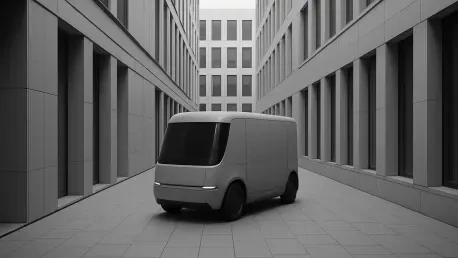
The rhythmic hum of electric motors on suburban streets at midnight signifies a fundamental shift in how goods move through our increasingly dense urban centers without a single human driver behind the wheel. This transition marks the evolution of last-mile delivery from a labor-intensive manual

The sight of a forty-ton Class 8 truck navigating a bustling interstate without a human behind the wheel has transitioned from a science-fiction trope into a daily reality for major logistics hubs across the Sun Belt. While the technological milestones achieved on the open highway are undeniable,

The rapid evolution of American consumer behavior has fundamentally altered the architectural landscape of metropolitan logistics, forcing retailers to abandon centralized shipping models in favor of hyper-local automation. This transition is not merely a tactical adjustment to existing supply

The global thermal logistics sector is currently grappling with a monumental shift as the traditional reliance on synthetic materials collapses under the weight of international environmental mandates. Expanded Polystyrene (EPS), long the undisputed champion of temperature-sensitive shipping, has