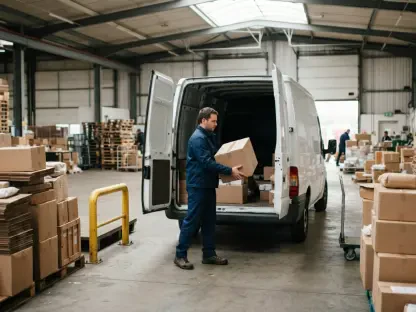

Data reveals that forty percent of shoppers miss at least one home delivery every month, driving a significant surge in demand for reliable out-of-home parcel collection points. This logistical bottleneck created a clear opportunity for retailers to rethink the final stage of the consumer journey. As the digital marketplace continues to mature, the expectation for total reliability has transformed from a luxury into a baseline requirement. Traditional delivery methods often clash with the unpredictable schedules of modern professionals, leading to a cycle of missed attempts and increased carbon footprints. By embedding automated locker technology into existing supermarket footprints, the industry sought to turn every grocery run into a potential delivery opportunity. This strategy converted thousands of stores into micro-fulfillment hubs that operated around the clock, providing a level of accessibility that traditional door-to-door services struggled to maintain in urban regions.
The Evolution of Localized Fulfillment
Strategic Integration: The Grocery Shopping Synergy
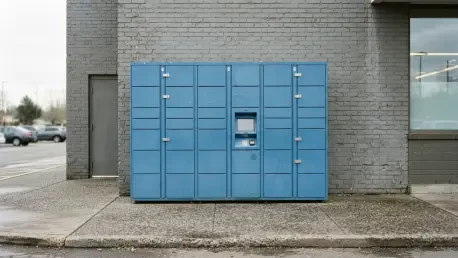
The strategic rollout of InPost lockers across 1,650 Tesco sites established a new benchmark for cross-industry cooperation. Analysis of consumer movement patterns showed that sixty-six percent of locker users coordinated their collection trips with their regular grocery shopping, creating a mutually beneficial relationship between the parcel provider and the grocery giant. This synergy significantly boosted foot traffic, with fifty-three percent of customers reporting that they visited specific locations more frequently because of the locker infrastructure. For the retailer, this was not just about providing a service but about capturing additional spending, as seventy-eight percent of these visitors ended up making an in-store purchase. By 2026, the success of this model proved that physical stores could remain competitive by serving as versatile service centers. This integration allowed customers to regain control over their time, ensuring that daily errands were as efficient as possible.
Operational Efficiency: Minimizing Delivery Failure
Solving the structural problem of failed deliveries required a move away from high-friction courier models toward centralized automated systems. Statistics showed that fifty-eight percent of consumers eventually preferred parcel lockers over traditional delivery, citing the reduction of anxiety regarding missed packages. This shift was critical for corporate sustainability, as consolidating dozens of individual residential drops into a single locker location dramatically lowered the total mileage for delivery fleets. This optimization also reduced operational overhead for e-commerce firms, as the first-time success rate for locker drops reached nearly one hundred percent. The partnership between InPost and Tesco leveraged this reliability to build deeper trust with the consumer base, ensuring that the last mile was no longer the weakest link. The transition to this out-of-home solution effectively mitigated the logistical chaos that once defined the peak seasons for the global logistics industry.
Future Development: Transforming Consumer Habits
As the network matured, stakeholders looked toward the next phase of retail evolution by exploring the potential for deeper technological synchronization within the community hub. The next step involved the integration of return-label-free technologies that further simplified the reverse logistics process for busy households. Industry experts suggested that retailers who failed to adopt these multi-functional service models faced a decline in relevance as loyalty shifted toward the most convenient digital-physical hybrids. The strategy prioritized the development of data-driven location planning to ensure that lockers were placed in areas with the highest density of online activity. Ultimately, the industry moved toward a standard where every major commercial center functioned as a comprehensive service node. This forward-thinking approach ensured that the partnership remained resilient against market fluctuations and evolving buyer habits through the end of the decade.