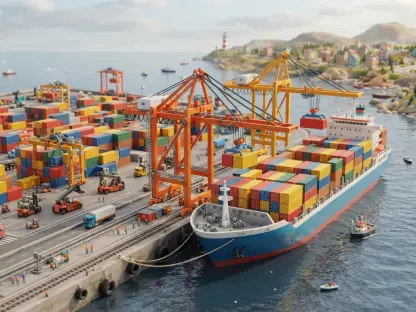
The global maritime sector is currently experiencing a fundamental transformation as traditional navigational practices yield to a sophisticated digital framework designed to manage the rising complexities of international trade routes. This shift is characterized by a transition from reactive
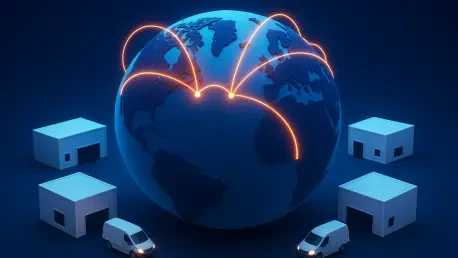
The modern supply chain is no longer just about moving goods from point A to point B but about erasing the friction that traditionally exists at the intersection of international borders and domestic doorsteps. This shift represents a transition from basic freight forwarding to integrated supply
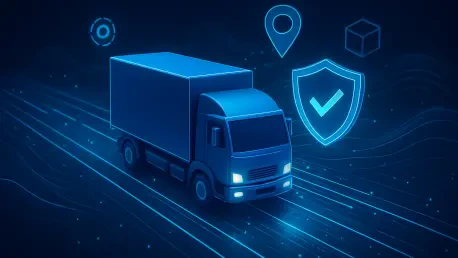
Commercial drivers are increasingly requesting dash cameras and GPS tracking to serve as objective witnesses against false accusations and liability claims. For years, the integration of monitoring technology within the logistics industry was met with skepticism, often viewed as an intrusive
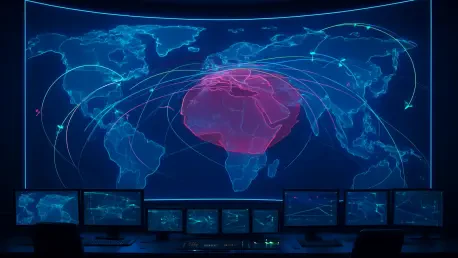
As drone technology reaches deeper into Russian territory, the fundamental safety of major international hubs like St. Petersburg is being called into question. The recent warnings issued by Ukrainian leadership emphasize that the traditional flight corridors once considered routine are now
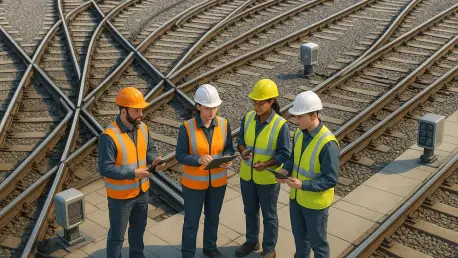
A lack of a shared mental map between train drivers and track maintenance teams has repeatedly led to dangerous confusion within the rail corridor. This systemic breakdown has placed New Zealand’s rail network under a microscope as investigators reveal a series of near-miss incidents that could
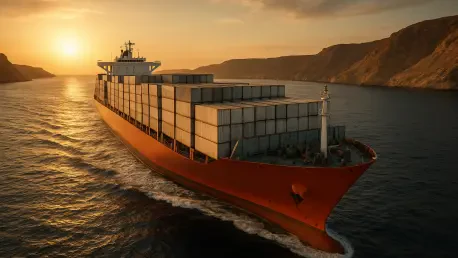
Market analysts observe that when insurance premiums for the Strait of Hormuz spiked from one percent to ten percent, the cost of maritime trade became an unsustainable burden for global energy exporters. This surge in operational overhead followed a series of aggressive maneuvers against