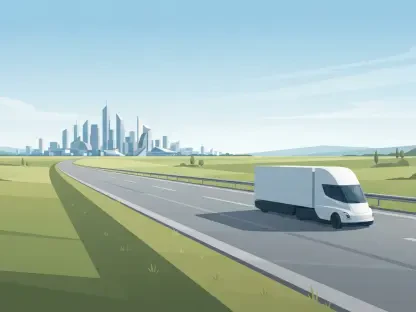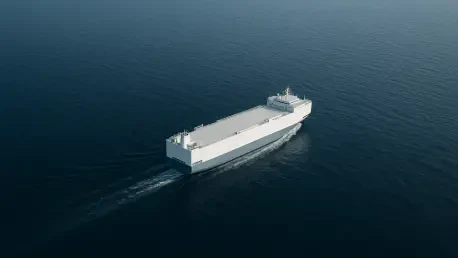

Logistics providers moving freight through Northern Mexico face high risks as rapid hurricane intensification creates little lead time for securing inland highway corridors. The fall of 2026 has introduced a historically strong El Niño event, characterized by sea surface temperatures that have surged significantly above historical averages. This atmospheric phenomenon is not merely a meteorological curiosity; it represents a systemic threat to the intricate web of global shipping that sustains international commerce. While maritime experts have long planned for seasonal fluctuations, the sheer intensity of this year’s thermal anomalies suggests that traditional contingency plans may no longer suffice. The convergence of these climate risks with existing geopolitical friction in the Strait of Hormuz creates a volatile environment where a single storm surge could trigger a domino effect across several continents. As ocean temperatures rise, the predictability of storm tracks diminishes, forcing a fundamental rethink of how goods move across the Pacific.
1. Assessing Geographic Vulnerabilities Across the Pacific Rim
Current meteorological models indicate a high probability of tropical cyclones affecting Hawaii, with frequencies far exceeding the baseline data established over the previous decade. For the Hawaiian Islands, which serve as a critical mid-Pacific refueling and logistics hub, the increased storm activity threatens to disrupt the flow of essential goods and military logistics. Further east, the threat profile shifts toward the Western Mexican coastline and the United States Southwest. These regions are increasingly vulnerable to rapidly intensifying hurricanes that bypass traditional weakening phases as they approach the shore. The result is a higher frequency of sudden, severe flooding and wind damage that can compromise port facilities and electrical grids in a matter of hours. Logistics managers are finding that the window for preventive action is shrinking, as systems that once took days to develop now reach peak intensity in less than twenty-four hours, leaving little room for error in cargo positioning.
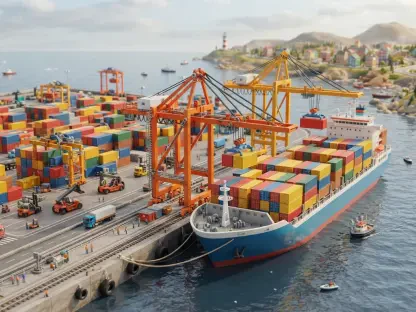
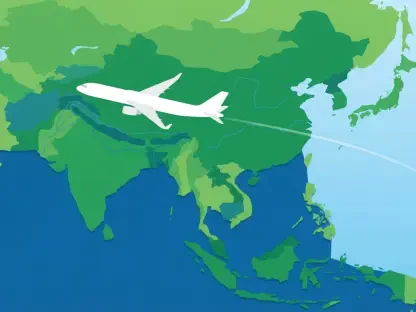
In East Asia, the shifting climate pattern has caused typhoons to form further east than in typical years, granting these storms more time to gain thermal energy and strength before they strike major industrial centers in China, Japan, and South Korea. This eastward shift extends the duration of hazardous sea conditions, complicating the arrival schedules of ultra-large container vessels. Simultaneously, the Panama Canal continues to grapple with decreasing water levels in Gatun Lake, a situation exacerbated by the current El Niño-driven drought. The canal authority has been forced to implement strict draft restrictions and reduce the number of daily vessel transits to conserve water. These limitations effectively throttle the primary artery between the Pacific and Atlantic, driving up the cost of slot reservations and forcing carriers to choose between reduced payloads or longer, more expensive routes around Cape Horn or through the Suez Canal, despite the risks inherent in those passages.
2. Analyzing Infrastructure Frailty and Security Realities
Beyond the immediate maritime concerns, the terrestrial components of the supply chain are under immense pressure from storm-related mudslides in Mexico. These geological failures can paralyze vital trucking routes for weeks, leaving thousands of tons of cargo stranded in remote or unstable regions. When transportation corridors are severed, the risks extend beyond simple delays; stranded vehicles and stationary freight in specific Mexican corridors face a significantly increased risk of cargo theft. Organized criminal organizations often exploit the chaos of natural disasters to target high-value shipments that are unable to move due to road closures. This creates a dual-threat environment where logistics providers must simultaneously battle the elements and sophisticated theft rings. Security protocols that were designed for standard transit times are proving inadequate when cargo is forced to remain stationary in high-risk zones for extended periods, necessitating a reevaluation of en-route safety.
The challenges are not limited to developing regions, as aging infrastructure within the United States is struggling to withstand the increasing intensity of modern storm systems. Roads and bridges designed for the weather patterns of the twentieth century are now facing record rainfall totals and extreme temperature fluctuations that accelerate structural degradation. This deterioration creates bottlenecks at inland ports and rail heads, where the failure of a single bridge can redirect thousands of containers onto already congested secondary roads. Furthermore, these climate-driven disruptions are occurring against a backdrop of geopolitical instability in the Strait of Hormuz, which remains a precarious flashpoint for energy and commodity markets. When weather events close Pacific routes, the reliance on these sensitive geopolitical zones increases, leaving the global economy more vulnerable to regional conflicts. The synergy between failing physical infrastructure and political tension defines the current risk landscape.
3. Implementing Comprehensive Resilience and Strategic Responses
To build genuine resilience against these compounding threats, companies must transition from a route-specific focus to a holistic, network-wide strategy. This begins with incorporating significant flexibility into Panama Canal scheduling, accounting for the reality of restricted transit slots and lower draft limits. Shippers are increasingly utilizing predictive analytics to simulate various delay scenarios, allowing them to adjust inventory levels well before a vessel arrives at the canal. Heightened vigilance is also required for the Hawaii and Mexico-to-Southwest corridors throughout the fall. By monitoring sea surface temperatures and atmospheric pressure gradients in real-time, logistics teams can identify emerging storm clusters before they are officially classified as cyclones. This proactive stance allows for the early rerouting of shipments to alternative ports or the acceleration of inland freight movement to clear vulnerable coastal zones before a storm makes landfall, effectively minimizing the window of exposure.
Establishing backup transportation routes and enhanced safety measures for Mexican highway disruptions became a priority for forward-thinking firms. They prepared contingency plans that utilized multi-modal options, such as shifting from road to rail or short-sea shipping when mudslides threatened inland transit. While the El Niño pattern typically reduced the total number of Atlantic storms, it was understood that a single major hurricane could still cause months of logistical recovery. Therefore, maintaining awareness of Atlantic Ocean threats remained a core component of the global risk management strategy. Success was found by those who viewed security and weather monitoring as integrated disciplines rather than isolated departments. The organizations that thrived were those that invested in robust security protocols and diversified their supplier bases across multiple geographic zones. Moving forward, the industry learned that adapting to climate volatility required constant vigilance and the willingness to prioritize health.