
Rohit Laila is a seasoned veteran in the logistics and supply chain sector, known for his deep dive into the intersection of technology and delivery networks. With decades of hands-on experience navigating global disruptions, he provides a unique perspective on the shifting dynamics of the U.S.

The global digital economy hinges on the uninterrupted operation of massive server farms that facilitate everything from basic cloud storage to the most complex generative artificial intelligence models. These facilities represent the essential physical layer of the internet, acting as the

The traditional blueprint for automotive supply chains has been fundamentally dismantled by the realization that efficiency without stability is a liability in an increasingly volatile global economy. As the industry moves through 2026, the primary objective for manufacturers and their logistical

Trade Escalation: A Volatile New Chapter for North American Markets The historic economic alliance between the United States and Canada has shifted toward a state of high-stakes confrontation as Washington deploys aggressive trade barriers to reshape North American market dynamics. This pivot
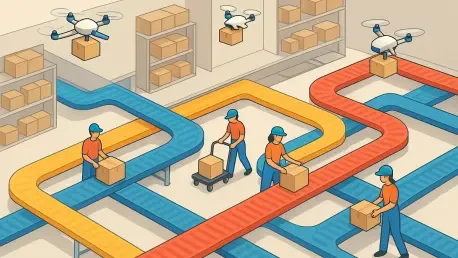
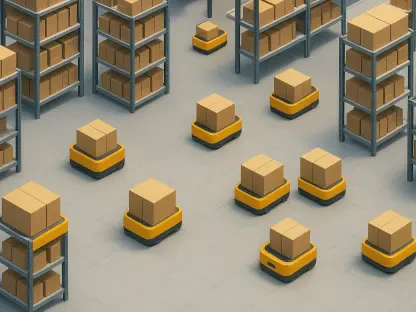
The traditional warehouse has effectively shed its identity as a mere storage vault to emerge as the central nervous system of the entire modern consumer experience. In the current global landscape, these facilities function as active fulfillment hubs where the digital promise of a brand is
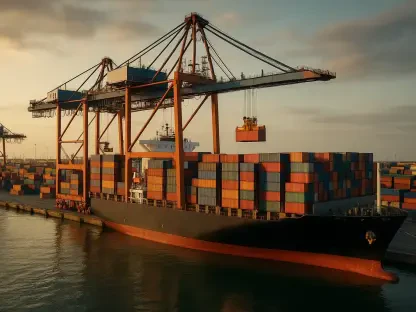
The Strategic Pivot: Temu’s Response to a Hardening Global Trade Climate The meteoric rise of the e-commerce giant Temu has hit a formidable regulatory wall that is forcing a complete reinvention of its once-unstoppable cross-border shipping strategy. As a prominent arm of PDD Holdings, the