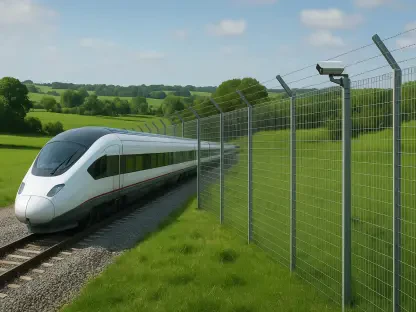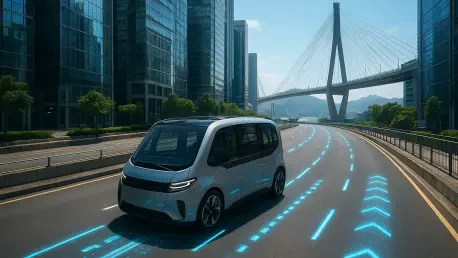

Under the ‘Smart Mobility’ umbrella, the Transport Department is currently facilitating driverless vehicle trials and air-rail transport links supported by the Smart Traffic Fund. This overarching initiative marks a significant turning point as the city works to dismantle antiquated manual processes in favor of a sophisticated digital infrastructure. Guided by the strategic oversight of the AI Efficacy Enhancement Team and the city’s Transport Strategy Blueprint, the transition integrates machine learning and advanced data analytics into the fabric of municipal administration. By prioritizing a digital-first approach, the department is actively reducing human error and operational bottlenecks that have historically hampered efficiency. The goal is to create a seamless interface where physical movement is supported by invisible but highly effective automated systems. This movement is a fundamental reimagining of how a global hub manages the movement of millions of citizens while maintaining economic competitiveness through technological excellence.
Modernizing Public Services Through Automation
Administrative Revitalization: Digital Tools and Portals
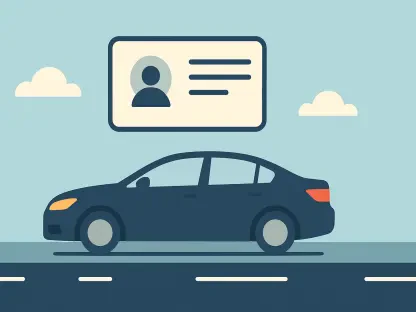
The primary focus of this transformation involves the total revitalization of licensing services through the introduction of e-licensing portals and self-service kiosks positioned throughout the city. These digital platforms have experienced rapid adoption rates among the public, with over half of all driving license renewals and nearly two-thirds of international permit applications now being handled through online channels. At the heart of this success is the deployment of Optical Character Recognition technology, which automates the verification of diverse supporting documents. By implementing these sophisticated scanning tools, the department has effectively eliminated the need for manual data entry, which was previously a major source of clerical delays. Consequently, wait times for citizens have been drastically shortened, allowing the government workforce to pivot toward more complex advisory roles rather than basic data processing. These enhancements ensure that the administrative backbone of the city’s transport network remains resilient and responsive to user needs.
The Easy Licence Project: Future Cross-Boundary Solutions
Looking at current developments, the department is preparing to launch the “Easy Licence” project, an ambitious program that leverages Large Language Models to interpret and process complex permit applications. This initiative is specifically designed to address the intricacies of cross-boundary travel schemes between Hong Kong and the Guangdong province, where regulatory alignment is often difficult for individual motorists to navigate. The project aims to automate over 90 percent of standard vehicle license renewals, which will effectively slash total processing times from ten days to just a single business day. Furthermore, the integration of these AI models is expected to reduce the manual labor required for permit approvals by 20 percent. This shift ensures that cross-border logistics and personal travel become more fluid, supporting regional integration goals while maintaining high standards of regulatory compliance. By simplifying these complex procedures, the city is fostering a more connected economic environment within the Greater Bay Area.
Ensuring Security and Optimized Traffic Flow
System Integrity: Combatting Automated Booking Bots
Beyond simple automation, artificial intelligence is being deployed to safeguard the integrity of government booking systems against the threat of automated scripts and malicious bots. These bots have historically monopolized appointment slots for driving tests and licensing, creating an artificial scarcity that frustrated genuine human applicants. By implementing dynamic identification technology and robust anti-bot systems, the department has successfully reclaimed these critical resources for the public. The impact of this intervention has been immediately tangible for the average user, as the maximum online waiting time for driving license appointments has plummeted from two hours to less than 45 minutes. This technological barrier ensures a much fairer distribution of government services, preventing commercial entities from exploiting the system for profit. Maintaining this level of digital security is essential for building public trust in the new automated framework as more essential services migrate to the cloud.
Smart Infrastructure: Real-Time Safety and Flow Optimization
On the physical roads, the “Smart Mobility” initiative successfully integrated AI-driven monitoring on major arteries like the Ting Kau Bridge, where incident detection times were reduced by 90 percent. This capability allowed traffic controllers to respond to emergencies almost instantly, utilizing electronic signage to alert motorists and prevent dangerous secondary collisions. This proactive approach significantly enhanced road safety across the city’s most congested transit corridors during peak hours. To ensure long-term success, urban planners utilized a centralized AI-supported Traffic Management Platform to identify congestion patterns and optimize adaptive traffic signals in areas like Causeway Bay. Stakeholders were encouraged to adopt these data-driven insights to facilitate smoother pedestrian and vehicle flows. Moving forward, the department established that continuous investment in real-time sensor networks remained the most effective way to maintain Hong Kong’s status as a leading smart city while preparing for higher autonomous vehicle densities.