
Introduction
The global landscape of transportation and logistics has transitioned into a period defined by structural scarcity rather than the surplus that characterized the preceding years. After enduring a protracted freight recession that dampened investment and forced significant market exits, the industry has reached an inflection point where supply-side constraints are now the primary drivers of cost and strategy. This transformation is not merely a cyclical adjustment but a fundamental reconfiguration of how goods move across borders and domestic networks. The current environment demands a departure from traditional procurement models as the era of abundant, low-cost capacity has effectively concluded, replaced by a landscape where service reliability is the ultimate premium.
This analysis explores the critical factors contributing to this shift, examining how regulatory changes, geopolitical friction, and shifting inventory strategies have combined to create a volatile market. The objective is to provide a comprehensive understanding of the current logistics climate, answering the most pressing questions regarding capacity, pricing, and strategic investment. Readers can expect to learn about the specific drivers behind the U.S. trucking recovery, the paradoxical nature of the maritime sector, and the emerging trends in warehousing and air freight that are reshaping global supply chains. By dissecting these components, a clearer picture emerges of a sector that has moved from a state of managed decline to one of aggressive, supply-led repricing.
Key Questions
Why Is the U.S. Truckload Market Experiencing a Sudden Shift in Power?
The domestic truckload market has undergone a dramatic reversal in leverage as the multi-year surplus of equipment and drivers has finally evaporated. This change was largely precipitated by the Federal Motor Carrier Safety Administration’s decision to strictly enforce commercial driver’s license eligibility and employment authorization standards. The resulting removal of approximately 194,000 drivers from the workforce created an immediate vacuum in capacity that the industry was unable to fill through traditional recruitment efforts. For years, the market relied on a bloated pool of carriers to keep rates suppressed, but the sudden depletion of compliant labor has forced a rapid upward adjustment in spot and contract pricing.
Moreover, the timing of this regulatory purge coincided with an exceptionally robust produce season, which diverted a significant portion of refrigerated and dry van assets away from standard industrial routes. This seasonal pressure acted as a catalyst, pushing dry van spot rates toward the three-dollar mark per mile, a level that reflects the highest transportation costs seen in several years. Shippers who previously enjoyed significant leverage during the freight recession now find themselves facing double-digit tender rejection rates. This indicates that carriers are becoming increasingly selective, prioritizing high-margin spot opportunities over existing contract commitments as the market transitions into a seller-dominant phase.
The structural nature of this tightening suggests that the recovery is not a temporary spike but a more permanent recalibration of the industry. The Logistics Managers’ Index has registered the strongest price readings since the early 2020s, signaling that the cost of doing business is rising across all transportation modes. Small and mid-sized carriers that survived the lean years are now seeing their profit margins recover, yet the barriers to entry for new competitors remain high due to elevated equipment costs and insurance premiums. Consequently, the industry is seeing a consolidation of power among larger, more compliant fleets that can navigate the current regulatory landscape while maintaining service integrity for large-scale shippers.
How Are Geopolitical Tensions Overriding Global Shipping Overcapacity?
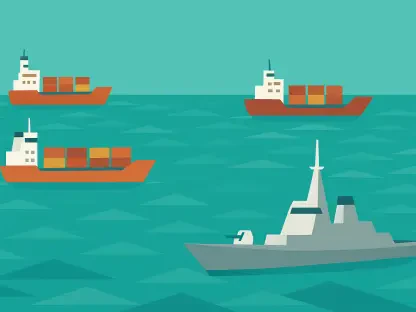
Maritime logistics currently exists in a state of paradox where the physical oversupply of container ships is being neutralized by persistent geopolitical instability. On paper, the global fleet is expanding at a record pace, with millions of new container units entering the market from shipyards around the world. However, the operational reality is far different, as conflict in the Middle East has compromised critical transit corridors like the Strait of Hormuz. These disruptions have forced carriers to undertake lengthy and expensive diversions, which effectively absorbs the excess capacity that would otherwise lead to a collapse in freight rates.
The volatility in the Persian Gulf has introduced a significant risk premium into ocean contracts, as bunker fuel prices and insurance rates climb in response to localized threats. While some trade routes initially experienced a surge in spot rates followed by a partial correction, the underlying threat of renewed closures keeps the market in a state of heightened tension. Ocean carriers are struggling to maintain schedule integrity, with blank sailings becoming a common tool to manage the logistical chaos caused by rerouting. For shippers, this means that even though ships are plentiful, the reliability of transit times has plummeted, making long-term planning an exercise in managing uncertainty.
Furthermore, the financial health of the ocean transport sector remains fragile despite the uptick in volatility-driven revenue. Many major carriers have reported operating losses as the cost of rerouting ships and managing displaced equipment offsets the gains from higher freight rates. The industry is witnessing a structural rate reset where the baseline cost for moving a container has moved higher to account for the increased complexity of global trade. Shippers are no longer just paying for the space on a vessel but are also funding the massive operational overhead required to navigate a world where traditional maritime arteries are no longer guaranteed to remain open.
What Is Driving the Rapid Contraction of Warehousing Availability?
The warehousing sector has moved into a state of contraction as available industrial space becomes increasingly scarce in key logistics hubs. This squeeze is being driven by a strategic shift in inventory management where retailers and manufacturers are pulling forward their stock to mitigate the risks of future tariffs and supply chain disruptions. By flooding the system with goods earlier than the traditional peak season, companies have exhausted much of the flexibility that previously existed within the national warehouse network. The Warehousing Capacity Index has dropped below the critical fifty-point threshold, indicating that the expansion of space is no longer keeping pace with the demand for storage.
This surge in utilization has profound implications for the cost of inventory holding and the speed of distribution. As facilities reach their functional capacity, the efficiency of “slotting” and throughput naturally declines, leading to higher labor costs and longer processing times. Larger retailers with the capital to secure long-term leases are dominating the market, leaving smaller enterprises to compete for the remaining fragments of high-cost, short-term space. The focus has shifted from long-term storage toward high-velocity throughput, as firms attempt to move products to the final consumer before the costs of holding that inventory erode their profit margins.
Additionally, the geography of warehousing is changing as firms look for alternatives to traditional coastal hubs that are both expensive and congested. There is a growing trend toward inland ports and secondary markets where land is more available, though these regions often lack the sophisticated infrastructure found in established logistics corridors. The pressure on the warehousing sector is further compounded by the ongoing expansion of data centers, which compete for the same industrial land and power resources. This competition for real estate ensures that even if inventory levels eventually stabilize, the cost of the ground underneath the warehouse will continue to provide a high floor for logistics expenses.
Why Does Air Freight Remain Critical Despite Economic Moderation?
Air cargo has maintained its status as a vital tactical tool for global supply chains, even as broader economic growth shows signs of moderation. The primary driver for this resilience is the continued disruption of traditional ocean routes, which makes the speed of air transport an essential contingency for time-sensitive or high-value goods. When maritime delays extend into weeks or months, the air freight market becomes the only viable path for maintaining inventory levels in sectors like electronics, pharmaceuticals, and specialized manufacturing components. This demand is less about the overall volume of trade and more about the necessity of maintaining operational continuity in a fractured global network.
The capacity of the air freight market is also being constrained by external factors that have nothing to do with the demand for cargo space itself. The diversion of wide-body passenger flights to avoid conflict zones has significantly reduced the amount of belly-hold capacity available on many international routes. Since a large portion of global air cargo travels in the holds of passenger aircraft, any disruption to airline networks directly impacts the availability of freight space. This reduction in supply has kept air cargo rates firm, even as the initial frenzy for high-tech components related to artificial intelligence and e-commerce begins to stabilize.
Furthermore, air freight is being utilized as a strategic buffer against the uncertainty of trade policy and potential tariff implementation. Shippers are willing to pay the premium for air transport to ensure that goods arrive before new regulatory regimes take effect, creating short-term spikes in demand that defy broader economic trends. The sector is increasingly defined by its role as a high-margin service for stock-keeping units that cannot afford the “dead time” associated with the current state of maritime and rail logistics. As a result, the air cargo market has become a leading indicator of supply chain stress, reflecting the premium that global commerce is willing to pay for certainty in an uncertain world.
How Is the Mergers and Acquisitions Landscape Evolving Amidst Market Volatility?
The climate for mergers and acquisitions within the transportation and logistics sector has shifted toward a focus on strategic quality and specialized capabilities. While the total number of transactions has decreased relative to the peak years of the early 2020s, the valuation of the deals that do close has reached historic levels. Investors are now prioritizing firms that offer differentiated services, such as temperature-controlled logistics, healthcare transport, or advanced technology platforms that provide end-to-end visibility. This “quality-over-quantity” approach reflects a more disciplined investment environment where the goal is to acquire resilience rather than just scale.
High enterprise value to EBITDA ratios suggest that there is still significant capital looking for a home in the logistics space, provided the target company has a defensible market position. The industry is seeing a move toward “asset-light” models that leverage technology to coordinate complex moves across multiple modes of transport. At the same time, specialized niches like reverse logistics and final-mile delivery remain highly attractive as e-commerce continues to mature and consumer expectations for fast, reliable service remain high. These targeted acquisitions are designed to fill specific gaps in a provider’s service portfolio, allowing them to offer a more comprehensive solution to shippers who are looking to consolidate their vendor base.
The rail sector is also experiencing a period of significant anticipation as major players look toward consolidation to improve their competitive position against long-haul trucking. Proposed mergers between major North American railroads have the potential to redraw the logistics map, creating new efficiencies but also raising concerns about reduced competition. These large-scale deals often act as a catalyst for smaller divestitures and spin-offs, providing additional opportunities for private equity firms to enter the market. Overall, the M&A landscape in the middle of the decade is defined by a strategic recalibration, where the successful players are those who can integrate technology and specialized expertise to navigate the increasingly complex global landscape.
Recap
The global transportation and logistics sector currently operates in a supply-constrained environment that has effectively ended the long-standing freight recession. In the United States, the trucking market is experiencing an aggressive repricing driven by the removal of a significant portion of the driver pool due to new regulatory standards. This shift is mirrored in the maritime sector, where geopolitical instability in the Middle East is absorbing excess capacity and keeping rates volatile despite a record number of new vessels entering service. Shippers face a challenging landscape where traditional procurement strategies are no longer sufficient to guarantee capacity or price stability.
Warehousing and air freight are also seeing significant pressure as inventory pull-forwards and airline route diversions limit the available space for cargo. The warehousing market has entered a period of contraction, forcing companies to reconsider their storage strategies and look for inland alternatives to congested coastal hubs. Air cargo remains a critical lifeline for high-value goods, with pricing staying firm due to the reduction in passenger-based belly capacity. Meanwhile, the investment world is doubling down on specialized and technology-enabled logistics providers, favoring companies that can provide operational resilience in a market defined by its unpredictability.
Final Thoughts
The developments of the first half of the year confirmed that the logistics industry transitioned into a more disciplined and cost-intensive era. Stakeholders recognized that the supply chain strategies of the past, which relied on an endless surplus of capacity, became obsolete in the face of regulatory tightening and geopolitical friction. To navigate this landscape, companies prioritized the re-evaluation of their routing guides and the securing of long-term partnerships with compliant, asset-based carriers. They also invested in flexible warehousing solutions to buffer against the volatility of international trade lanes and the potential for sudden tariff shifts.
Moving forward, the industry must continue to focus on the cost of resilience rather than just the cost of transport. Monitoring the enforcement of driver eligibility and the development of new maritime corridors remained essential for those seeking to minimize their exposure to market shocks. The successful organizations were those that moved away from a purely transactional approach and instead built integrated, technology-driven networks capable of adapting to rapid changes in supply. As the market continues to evolve, the ability to balance high-velocity throughput with strategic inventory placement will be the deciding factor in maintaining a competitive edge in global commerce.