
The strategic alliance between Jungheinrich and Movu Robotics addresses the escalating costs of industrial real estate by implementing high-density, multi-deep pallet storage systems. As global supply chains face unprecedented volatility in 2026, the necessity for robust, space-saving infrastructure has moved from a luxury to a baseline requirement for competitive logistics operations. By combining the engineering expertise of Jungheinrich with the modular automation technologies developed by Movu, the partnership facilitates a transition away from traditional racking toward highly condensed storage environments. This shift allows facilities to maximize their vertical footprint without sacrificing accessibility or throughput speed. Instead of relying on sprawling expansions that require massive capital investment in land, businesses are now utilizing these sophisticated shuttle systems to handle higher volumes within existing walls. This collaboration simplifies the automation journey for many.
Efficiency: Industrial Space
Technology: The Atlas System
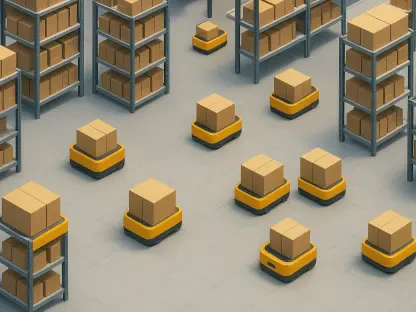
The atlas shuttle represents a paradigm shift in how palletized goods move through a high-density racking environment without requiring constant human intervention or manual forklift entry. Unlike older systems that relied on complex, bespoke rail configurations, this modular solution utilizes independent, self-powered carriers that navigate within the rack structure to deliver or retrieve pallets with high precision. These shuttles operate across multiple levels, effectively turning a static storage area into a dynamic fulfillment engine that works around the clock to organize inventory. The engineering focuses on reducing the energy consumption of each unit, ensuring that the total cost of ownership remains low while the reliability of the mechanical components stays high even under heavy usage cycles. By deploying these units, warehouse managers successfully mitigated risks associated with labor shortages, as automated shuttles take over repetitive tasks of internal transport.
Hardware: Fleet Integration
While the shuttle systems provide the internal density, the integration with Jungheinrich’s traditional material handling fleet ensures that the flow of goods remains uninterrupted from the loading dock to the rack face. Modern reach trucks and very narrow aisle loaders have been recalibrated to work in perfect synchronization with the Movu interface, creating a seamless handoff point where human-operated vehicles deposit goods for the automated system to take over. This hybrid approach allows companies to maintain the flexibility of manual operations for specialized tasks while reaping the rewards of automation for high-volume storage. The hardware synergy extends to the charging infrastructure and maintenance protocols, where standardized components reduce complexity for site technicians and ensure that downtime is kept to a minimum. Consequently, the combination of shuttle agility and durability has created a versatile ecosystem capable of handling varied pallet weights with ease.
Strategy: Scale and Growth
Software: Control Systems
The true power of the Jungheinrich and Movu alliance lies in the sophisticated software layer that orchestrates the movement of every pallet within the facility. By utilizing a standardized warehouse control system, the partnership has eliminated the traditional barriers to entry that often plagued large-scale automation projects, such as long integration timelines and software incompatibility. This unified digital environment allows for real-time visibility into inventory levels and shuttle performance, providing facility managers with actionable data to optimize their storage strategies on the fly. Furthermore, the “plug and play” nature of the Movu sub-systems means that these automated solutions can be scaled incrementally as business needs grow, rather than requiring a massive upfront overhaul of the entire operation. This modularity ensures that the software remains agile enough to incorporate new algorithms that predict peak demand and pre-position inventory for retrieval.
Economics: Value and Adoption
Logistics providers who adopted these collaborative technologies realized significant improvements in their operational bottom lines through reduced energy overhead and higher storage density. The move toward standardized automation allowed many firms to pivot away from unpredictable labor markets and toward a more reliable, technology-driven model of fulfillment. Decision-makers evaluated their existing warehouse footprints and determined that retrofitting with shuttle technology was a more sustainable path than constructing new buildings in expensive urban centers. This strategic shift enabled a broader range of industries to access high-end automation that was previously reserved for only the largest global corporations. Moving forward, companies prioritized the integration of these systems into their broader environmental goals by reducing the carbon footprint associated with large storage areas. They successfully navigated market volatility by adopting modular equipment that allowed for rapid expansion.