
The competitive landscape of modern retail now hinges on the physical proximity of goods to the consumer, forcing brands to rethink their traditional hub-and-spoke models. American Eagle Outfitters (AEO) recently addressed this challenge by committing $41 million to a new distribution center in Salisbury, North Carolina. This investment serves as a cornerstone for the brand’s effort to strengthen its presence in the southeastern United States. By establishing this facility, the retailer is positioning itself to handle the rising demand for rapid delivery across a growing regional market.
A Strategic Shift in Retail Logistics
AEO’s move to Salisbury marks a significant departure from a previously centralized approach to fulfillment. For years, the company operated primarily out of major hubs in Kansas and Pennsylvania, which required long-haul shipping to reach coastal markets. The North Carolina project represents a targeted effort to bolster supply chain capabilities by placing inventory closer to high-density population centers. This shift allows for a more agile response to localized shopping trends and seasonal demand spikes in the South.
The Evolution of AEO’s Supply Chain Strategy
The evolution of this strategy follows a successful regional launch in Phoenix in early 2024. As e-commerce demand grew, the traditional model became a bottleneck for shipping speeds. By integrating a decentralized network, AEO has shifted toward a model that reduces transit times and enhances overall operational resilience against logistics disruptions. This transition marks the end of relying on third-party segments and signals a renewed focus on internal supply chain control.
Key Drivers of the North Carolina Expansion
Unmatched Geographic Reach and Infrastructure
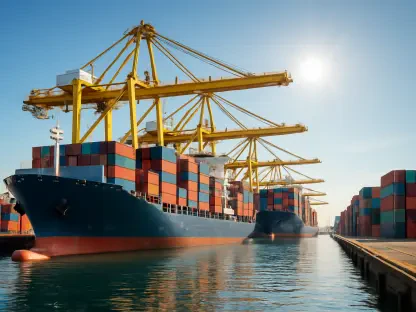
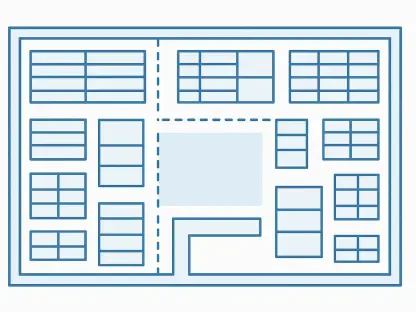
The decision to select Salisbury was influenced by North Carolina’s status as a premier transportation gateway. The 472,980-square-foot facility features 84 dock doors, allowing for continuous freight movement required in high-velocity environments. Its location puts 150 million consumers within a single day’s trucking distance, ensuring that online orders reach their destinations with minimal delay.
Capitalizing on Regional Economic Growth and Talent
Strategic growth relies on a capable workforce to manage complex automated systems. The project is expected to create over 200 local jobs, tapping into a regional labor market that has grown increasingly skilled in supply chain management. Support from state commerce officials provided the fiscal and structural stability necessary for such a large-scale capital expenditure.
Aligning with Industry-Wide Logistics Trends
AEO is joining a cluster of major retailers, including Walmart and Macy’s, that have recognized the state’s potential. This concentration fosters a competitive ecosystem where technology vendors and maintenance services are readily available. This trend toward regionalization helps brands reduce reliance on national carriers and effectively lower their total fuel costs.
The Future of High-Velocity Fulfillment
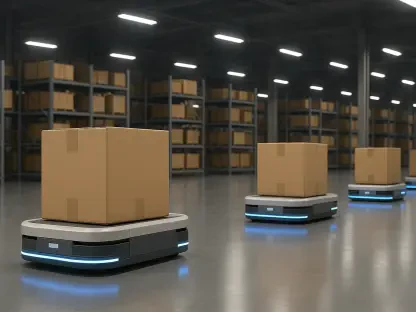
As the facility moves toward its 2027 operational date, the emphasis on high-velocity fulfillment will likely intensify. Future developments will focus on advanced robotics and green energy integration to handle the sheer volume of parcels passing through these hubs. The success of this model will likely encourage further investments in secondary markets that offer both land availability and high-speed transit access.
Actionable Lessons for Retail and Supply Chain Management
The transition to regional nodes is no longer optional for brands seeking to maintain customer loyalty in a digital-first economy. Owning or controlling long-term assets provides a level of predictability that third-party logistics cannot always guarantee. Furthermore, businesses should evaluate potential expansion regions for long-term economic stability and labor growth rather than just immediate transportation links.
Conclusion: A Resilient Foundation for Growth
The expansion into North Carolina represented a definitive step in creating a more agile and customer-centric delivery network. This shift proved that the winners in the retail space were those who prioritized logistics as a core brand value rather than a back-end expense. The project established a framework for how modern companies successfully balanced geographic reach with operational efficiency. Ultimately, the Salisbury hub functioned as a vital link that bridged the gap between digital convenience and physical reality.