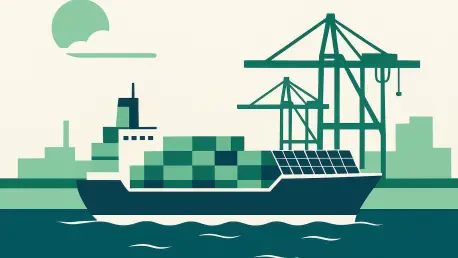

Enhancing the efficiency of the port’s supply chain benefits all stakeholders by creating a more stable and predictable logistics environment. As global trade volumes continue to surge, maritime hubs are increasingly pressured to modernize or risk obsolescence in a competitive landscape. Penang Port has responded to this challenge by initiating a comprehensive digital overhaul designed to streamline operations through advanced computational intelligence. This shift is not merely about speed; it represents a fundamental change in how cargo is tracked, processed, and shipped across the Straits of Malacca. By integrating sensors and machine learning algorithms, the facility aims to eliminate the traditional bottlenecks that have historically plagued terminal management. The transition toward a smart port model ensures that data becomes the primary driver for decision-making, allowing for real-time adjustments that accommodate fluctuating market demands while maintaining high levels of service reliability for international shipping partners.
Digital Integration: Modernizing Infrastructure Through Advanced Intelligence
Predictive Logistics: Streamlining Container Management
The implementation of automated stacking systems represents a significant leap forward in terminal efficiency. By utilizing algorithms that analyze historical throughput data, Penang Port can now predict peak arrival times and allocate resources with unprecedented precision. This technology minimizes the shuffling of containers, a process that traditionally consumes excessive time and fuel. Furthermore, the system learns from every movement, constantly refining its spatial logic to ensure that high-priority cargo is always accessible. The integration of these digital tools has allowed port operators to maximize the utility of existing yard space without the need for costly physical expansions. As these models evolve, they provide a blueprint for other regional ports looking to optimize their land use while maintaining a lean operational profile. The result is a more resilient terminal capable of handling the increasing complexities of modern transshipment requirements effectively and safely.
Intelligent Orchestration: Enhancing Terminal Security
Beyond container logistics, AI-driven traffic orchestration has revolutionized how land-side transport interacts with the maritime terminal. Intelligent gate systems now use optical character recognition and biometric verification to process incoming trucks in seconds, drastically reducing idling times and neighborhood congestion. This seamless flow is managed by a centralized digital twin, which provides a real-time visualization of all terminal activity, from vessel berthing to gate exits. By identifying potential safety hazards through high-definition camera feeds and machine vision, the port can proactively alert personnel to anomalies before accidents occur. This layer of digital oversight not only protects the workforce but also ensures that high-value assets remain secure throughout their time in the facility. The convergence of physical security and digital optimization creates a robust environment where efficiency does not come at the expense of safety, setting a new benchmark for regional hubs.
Sustainable Evolution: Paving the Way for Greener Operations
Emission Reductions: Smart Energy and Grid Management
Decarbonization has become a central pillar of the port’s modernization strategy, driven by the integration of AI-led energy management systems. These platforms monitor power consumption across the terminal in real-time, identifying opportunities to reduce waste in lighting, refrigeration, and heavy machinery operation. By optimizing the scheduling of electric cranes and ground handling equipment, the port has successfully balanced its energy load to coincide with renewable energy availability from local sources. This transition to a smarter grid reduces the facility’s overall carbon footprint while providing a more cost-effective power structure for long-term operations. Additionally, the use of AI to optimize vessel berthing—often referred to as just-in-time arrival—allows ships to adjust their speed during transit to minimize time spent idling at anchor. This coordinated approach significantly lowers maritime emissions in the surrounding waters, demonstrating that technological advancement and environmental stewardship are inclusive goals.
Strategic Outcomes: Sustaining Environmental Progress
The port authority successfully deployed advanced sensor networks that monitored water quality and air pollutants with granular accuracy. These systems provided the necessary data to mitigate the impact of industrial runoff and noise pollution on the delicate local marine ecosystem. Stakeholders utilized this information to establish clear benchmarks for ecological health, ensuring that expansion remained within sustainable limits. By adopting these actionable insights, the administration established a framework for continuous environmental improvement that served as a model for neighboring maritime territories. The integration of AI-driven oversight proved that industrial productivity and nature conservation could coexist through transparent data sharing and proactive mitigation. Looking forward, the focus shifted toward expanding these digital protocols to include a wider range of regional partners to create a unified green corridor. This commitment to innovation ensured that the facility remained a competitive player.