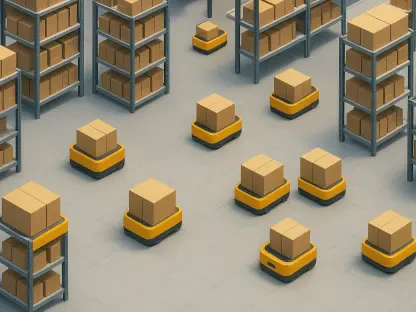

When a sudden surge in order volume hits a distribution center, the thin line between a profitable quarter and a logistical catastrophe is rarely drawn by software alone. This guide helps supply chain leaders transform their physical distribution sites from static cost centers into dynamic growth

The strategic movement of executive talent from high-performance apparel sectors into the food and beverage industry marks a definitive turning point in how global retailers approach logistics. This shift is exemplified by the appointment of Andrew Corner at Starbucks, a move that serves as a

The global logistics landscape has moved past the era of speculative experimentation, finding its true footing in the rigorous application of targeted artificial intelligence to specific operational bottlenecks. This transition represents a fundamental pivot from the broad, often vague promises of
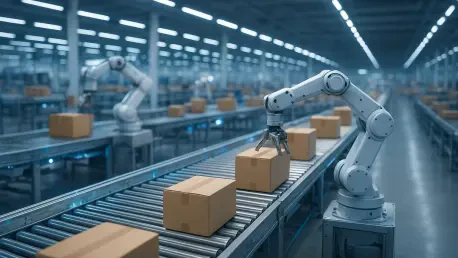
The global retail industry is currently experiencing a seismic shift as major corporations transition from basic automation to advanced artificial intelligence systems designed to orchestrate every aspect of the consumer experience. No longer confined to experimental pilot programs, AI is becoming

Rohit Laila is a seasoned veteran in the logistics space, having spent decades navigating the complexities of global supply chains and omnichannel fulfillment operations. Known for his deep-seated passion for technological innovation, he has been a vocal advocate for how strategic third-party

The rapid convergence of digital inventory management and physical retail execution has transformed the way modern merchants approach customer satisfaction and supply chain efficiency. Unified commerce represents a strategic move beyond simple omnichannel sales toward a transparent environment