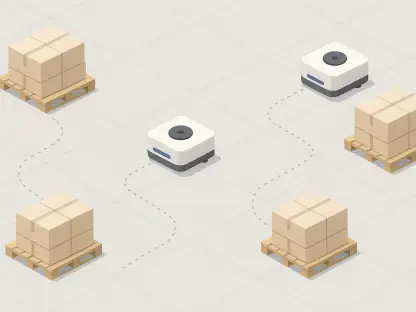

The adoption of automated inventory systems can mitigate operational risks for high-volume wholesalers by reducing the frequency of stockouts by as much as 90 percent. This advancement is a cornerstone of the modern wholesale industry, which has moved decisively away from the limitations of desktop-bound procurement toward a mobile-first, fully integrated ecosystem. As of 2026, the ability for multi-channel sellers to manage global supply chains and complex operations from a mobile device has become a fundamental requirement for business survival. This shift centers on the synergy between marketplace mobile applications and robust inventory management tools, creating a landscape where agility is the primary currency. For high-volume sellers, the ultimate objective is to secure a platform that offers a cohesive experience, effectively bridging the gap between product discovery, real-time negotiation, and cross-platform stock synchronization. With worldwide online sales currently on a trajectory to approach $5 trillion by 2030, the sheer volume of data generated by modern commerce makes manual data entry an unacceptable operational liability. Fragmentation has become the enemy of efficiency; when a seller relies on separate, disconnected applications for sourcing and stock management, the risk of overselling and customer dissatisfaction increases exponentially.
The current market environment is defined by extreme scale and constant volatility, requiring a level of precision that only automated systems can provide. Research indicates that over one-third of businesses continue to experience supply chain disruptions due to inventory inaccuracies, which makes the adoption of integrated technological frameworks more of a necessity than a luxury. The criteria for identifying a top-tier wholesale marketplace have evolved from simple product availability to the underlying strength of the platform’s technological infrastructure. Success in this era is measured by how effectively a platform can sync data across diverse digital storefronts and physical points of sale. To maintain a competitive edge, wholesalers must be able to facilitate complex logistics tracking and vendor communications while on the move. This demand has led to a significant divide in the market, separating procurement powerhouses that offer deep technical integration from discovery-focused boutique interfaces that prioritize aesthetics and simplicity. By aligning procurement strategies with sophisticated inventory software, sellers are now able to transform their operations into highly responsive, data-driven entities capable of handling thousands of orders monthly without the traditional overhead of large administrative teams.
Strategic Comparison: Analyzing Top-Tier Mobile Platforms
Procurement Powerhouses: The Dominance of Global Sourcing Apps
Alibaba.com continues to lead the industry in the development of mobile-native B2B features, offering an application specifically engineered for high-stakes procurement. The platform is designed for professional buyers who require more than just a simple shopping interface; it provides a comprehensive suite of tools that manage the entire lifecycle of an international trade transaction. One of the most critical functionalities within this ecosystem is the Request for Quotation tool, which allows buyers to broadcast their specific requirements to thousands of verified suppliers in an instant. This creates a competitive bidding environment that ensures the buyer receives the best possible terms without the need for manual outreach. Furthermore, the integration of real-time translation for over 40 languages has effectively dismantled the traditional linguistic barriers that once complicated international trade, allowing for seamless communication between parties in different hemispheres. This level of mobile accessibility ensures that a procurement officer can manage a multi-million dollar supply chain from virtually any location, maintaining a constant flow of goods regardless of their proximity to a traditional office.
The technical sophistication of these global sourcing apps extends into the realm of logistics and quality assurance, which are vital for maintaining buyer confidence in a high-volume environment. Features such as Trade Assurance management and integrated barcode scanning for product lookups during trade shows make the Alibaba app a comprehensive tool for the modern professional. When a buyer is physically present at a convention or trade fair, the ability to scan a product and immediately pull up its manufacturing details and supplier history on a mobile device provides a significant advantage. This immediate access to data facilitates quicker decision-making and more aggressive negotiation strategies. Moreover, the app allows for the tracking of shipments in real-time, providing transparency throughout the shipping process from the factory floor to the final warehouse destination. This focus on deep functionality rather than just visual appeal caters to a segment of the market that prioritizes efficiency, scalability, and the ability to handle complex negotiations on a granular level. The platform’s commitment to building a robust mobile infrastructure has solidified its position as the primary choice for businesses operating at a global scale.
Discovery-Driven Interfaces: The Role of Boutique Platforms
In contrast to the procurement-heavy focus of global giants, platforms like Faire have carved out a significant niche by prioritizing a boutique-centric interface that emphasizes visual discovery. This approach is designed for a specific personthe small-to-medium retailer who values a curated browsing experience and a seamless connection to unique, brand-driven products. The Faire mobile application excels at providing a discovery-first environment where retailers can explore new trends and reorder popular items with minimal friction. While it maintains high ratings across major app stores, the platform is intentionally built for simplicity rather than the deep, multi-layered negotiation tools found in more complex ecosystems. For many boutique owners, the aesthetic presentation of products and the ease of a “buy-now” interface are more important than the ability to broadcast RFQs or manage industrial-scale logistics. This focus on the “discovery” aspect of wholesale makes it an ideal tool for retailers who need to stay ahead of fast-moving consumer trends without getting bogged down in the minutiae of international trade regulations.
Despite the strengths of these boutique platforms in discovery and brand navigation, they often represent a different tier of functionality when compared to global procurement apps. Other players in the market, such as Tundra and FashionGo, often rely on mobile-optimized web views or less sophisticated native applications, which can limit their utility for high-stakes, real-time management. These platforms are perfectly adequate for smaller operations or for sellers who primarily operate on a single retail platform, but they often struggle to provide the level of cross-channel synchronization required by high-volume, multi-channel entrepreneurs. The divide between discovery-driven apps and procurement powerhouses highlights a fundamental truth in the 2026 wholesale market: there is no one-size-fits-all solution. Sellers must choose their primary platform based on whether they prioritize ease of use and brand discovery or deep technical integration and negotiation power. For a growing boutique, the visual ease of Faire might be the perfect fit, but as that business scales into a multi-channel powerhouse, the need for more robust mobile tools and greater technical flexibility becomes increasingly apparent.
Technical Infrastructure: The Role of APIs and Automation
Synchronization Models: Comparing Native and Open Ecosystems
The wholesale industry is currently navigating a strategic split between native synchronization models and open API approaches. Native synchronization, pioneered by platforms like Faire, offers an elegant and streamlined auto-sync feature for retailers who utilize a specific set of supported platforms, such as Shopify or Square. This “walled garden” approach is incredibly user-friendly; when a retailer receives a wholesale delivery, the inventory counts are updated automatically across their linked digital storefronts and physical point-of-sale systems. This automation eliminates the need for manual updates and significantly reduces the risk of overselling in the immediate term. However, the limitation of this model lies in its lack of flexibility. For a business that operates strictly within the supported ecosystem, it works perfectly, but as soon as a seller moves outside of those specific parameters—perhaps by selling on a niche marketplace or a custom-built website—the native synchronization often breaks down. This creates a ceiling for growth, forcing sellers to choose between staying within a limited ecosystem or facing the operational challenges of manual data management.
On the other side of this technological divide, the open API ecosystem favored by platforms like Alibaba.com is increasingly being recognized as the gold standard for high-volume, scalable businesses. Rather than attempting to serve as a standalone, all-in-one inventory system, this approach provides the necessary data hooks to connect the marketplace directly to specialized third-party Enterprise Resource Planning tools. These ERP systems, such as Cin7 Core and Extensiv, act as the central nervous system for a modern business, pulling data from various sourcing platforms and pushing it out to hundreds of different selling channels simultaneously. This model offers unparalleled flexibility, allowing a seller to expand into new markets and platforms without losing the integrity of their inventory data. By leveraging an open API, a business can ensure that its stock levels are accurate across Amazon, eBay, international storefronts, and local physical shops, all while managing the procurement process through a single mobile interface. This scalability is essential for businesses that intend to grow beyond the boutique level and compete on a global stage, where the complexity of the supply chain requires a more sophisticated and open technical architecture.
Economic Growth: The Surge of Inventory Software Markets
The rapid professionalization of the wholesale industry has fueled a massive surge in the inventory management software market, which is now expected to exceed $5 billion in valuation. This growth is not merely a reflection of increased sales volume but is driven by a fundamental realization among sellers that “smart” inventory systems provide a measurable competitive advantage. Data from the current market indicates that businesses utilizing integrated inventory tools see a 25 percent improvement in fulfillment rates and a significant reduction in overhead costs by lowering excess stock by as much as 30 percent. In 2026, the transition from manual spreadsheets to automated, cloud-based systems is virtually complete for any business serious about growth. Modern tools like Zoho and Fishbowl have become essential components of the tech stack, providing smaller wholesalers with the same level of barcode scanning and financial synchronization that was once reserved for large corporations. This democratization of technology has allowed boutique brands to scale into multi-channel powerhouses with surprising speed, maintaining lean operations while managing vast product catalogs.
The overarching trend driving this investment is the move toward “unified commerce,” where the traditional distinctions between a wholesale purchase, an online retail sale, and an in-store transaction are erased by a single, automated data stream. Sellers are no longer content with reactive inventory management; they are seeking proactive systems that use real-time data to predict demand and automate the reordering process. This shift toward a more sophisticated technological approach is particularly evident in the rise of API-driven integrations that connect procurement directly to financial reporting and tax compliance software. By 2026, the successful wholesaler is one who views technology not as an expense but as a core product that enables their entire business model. The investment in robust inventory software is seen as a safeguard against the volatility of global markets, ensuring that even as consumer preferences and supply chain conditions shift, the business remains agile and informed. This economic trend highlights the critical importance of selecting a marketplace platform that can play well with others, as the ability to integrate with a wide variety of software tools is now the primary driver of operational success.
Market Hierarchy: Defining the Business Landscape
Selecting the Right Marketplace for Scale
A clear hierarchy has emerged within the wholesale landscape, based on the specific business needs and the technical requirements of modern sellers. For those focused on global sourcing and high-volume, multi-channel operations, Alibaba.com is the definitive choice. Its unique combination of a high-utility mobile app, which facilitates intense negotiation and real-time communication, and an open API ecosystem makes it the only platform capable of supporting truly complex, international networks. Sellers who operate across dozens of storefronts and utilize specialized ERP systems require the flexibility that only an open architecture can provide. On the other hand, for specialized boutique retailers who prefer to stay within a narrow and well-defined tech stack, Faire remains a highly attractive option. The ease of its native synchronization with platforms like Shopify and Square offers a level of convenience that can outweigh the need for a more complex API for smaller operations. Meanwhile, platforms like Handshake continue to provide a basic, integrated experience for those operating exclusively on a single retail platform, though they lack the robustness required for significant expansion.
Choosing the right platform in 2026 requires a deep understanding of one’s own business trajectory and the technical limitations of each marketplace. A seller who begins their journey on a boutique-centric platform may find themselves hitting a “tech wall” as they grow, necessitating a migration to a more robust, API-driven ecosystem. Conversely, a seller who starts with a complex global sourcing app may find the learning curve steeper but will ultimately possess the tools needed for unlimited scale. The decision-making process must involve an evaluation of how much time a seller spends on manual tasks versus strategic growth. In an environment where every minute saved in the procurement process can be reinvested into marketing or product development, the efficiency of the mobile interface and the reliability of the inventory sync become the most important metrics of success. The market has effectively categorized these platforms into tiers that correspond with the lifecycle of a modern business, allowing entrepreneurs to select the toolset that best matches their current scale while planning for future expansion into more integrated and automated workflows.
Navigating the Seamless Flow of Modern Wholesale
The 2026 landscape of wholesale marketplaces was defined by the definitive end of siloed operations and the successful minimization of friction between sourcing and selling. Industry leaders proved that the most successful businesses were those that integrated every aspect of their operation into a single, mobile-accessible narrative. A typical workflow in this environment involved identifying a emerging product trend via barcode scanning at an international trade show, submitting a targeted RFQ via a mobile device, and negotiating favorable terms using real-time translation tools during a commute. Once the order was finalized, the data flowed seamlessly through an API into a central ERP system, which automatically adjusted stock levels across various Amazon storefronts, Shopify sites, and physical retail locations the moment the goods arrived at the warehouse. This level of automation was not just an improvement in efficiency; it represented a fundamental shift in how business was conducted, allowing for a level of speed and accuracy that was previously unimaginable for anything but the largest global corporations.
Enterprises should now prioritize the adoption of API-first infrastructure to ensure long-term flexibility and the ability to pivot as new selling channels emerge. The move toward mobile-integrated procurement is an irreversible trend that will continue to dominate the industry for the remainder of the decade. For wholesalers looking to secure their position in the market, the next practical steps involve auditing their current tech stack for “data gaps” and identifying where manual intervention is still required. Moving toward a unified commerce model where sourcing and inventory are managed as a single, automated stream of information is no longer a strategic option; it is the core requirement for any business that intends to compete in a global market defined by rapid connectivity. By investing in platforms that offer both deep procurement tools and open technical integration, businesses can ensure they remain agile enough to capitalize on the next wave of consumer trends. The integration of these digital ecosystems has transformed wholesale from a series of disconnected transactions into a continuous, data-driven cycle of growth and optimization.