
The National Union of Road Hauliers from Romania estimates that manual route ticket issuance under the new TollRo system could add 25 hours of administrative labor daily for a 300-vehicle fleet. This stark statistic highlights the operational friction currently characterizing the European transport and logistics sector as it undergoes a massive regulatory pivot in October 2026. This period marks a coordinated shift across several nations, including Romania, Spain, Poland, and the United Kingdom, toward a more digitalized and secure supply chain environment. For commercial hauliers, traditional methods are rapidly being replaced by sophisticated digital documentation, distance-based taxation, and stringent cybersecurity protocols. These updates reflect a broader European commitment to infrastructure sustainability and administrative modernization, requiring carriers to move beyond manual workflows to maintain operational viability. Companies that fail to integrate these new digital solutions risk significant financial penalties and logistical delays.
Romania’s Shift to Digital Infrastructure
Transitioning: From Vignettes to Distance-Based Tolling
Effective October 1, 2026, Romania is officially retiring the “rovinieta” time-based access fee for heavy goods vehicles exceeding 3.5 tonnes. In its place, the TollRo system introduces a distance-based mechanism that aligns the country with Western European tolling standards. This system calculates fees based on several variables, including the precise distance traveled on the tolled network, vehicle weight specifications, and environmental emission classes known as Euro standards. This transition moves the financial burden from a time-based access fee to a usage-based model, which is expected to increase operational costs for high-frequency or long-distance operators. The shift is part of a larger trend toward making road infrastructure more self-sustaining by ensuring that those who use the roads the most contribute proportionally to their upkeep. This represents a fundamental change in the cost structure for transport companies that have historically relied on predictable, flat-rate vignettes.
Technical Friction: Challenges in the TollRo Implementation
The rollout of TollRo has faced significant pushback from industry groups due to ongoing technical inconsistencies discovered during the testing phases. Data shows that fee calculations often varied by nearly 9% for identical routes, depending on whether the system used route tickets or live-monitoring sessions. Such discrepancies create immense uncertainty for logistics firms trying to maintain accurate budgeting and client billing. Furthermore, the administrative burden of manually issuing route tickets for each journey is viewed as unsustainable for large-scale operations. Consequently, there is strong pressure on the government to implement a penalty moratorium through early 2027. While the legal obligation to pay fees began on October 1, actual enforcement remains a point of contention as the technical infrastructure struggles to meet legislative demands. Operators are currently navigating a complex period where compliance is mandatory, yet the tools provided are not yet fully reliable for error-free billing.
Spain’s Mandatory Digital Documentation
Modernizing Records: The Digital DeCA Mandate
Starting October 5, 2026, the Spanish Ministry of Transport is enforcing a significant move toward digital transparency by making the Administrative Control Document, or DeCA, mandatory in a digital format. This regulation specifically targets domestic transport operations within Spanish borders as well as cabotage services performed by foreign carriers. It is a critical distinction that pure international transit—routes that simply pass through Spain without domestic loading or unloading legs—does not trigger this specific DeCA requirement. For any carrier engaging in local deliveries or multi-stop routes within Spain, the transition to digital records is now a prerequisite for legal operation. This mandate is designed to eliminate the common errors associated with paper-based logs and to provide a clearer audit trail for tax and labor authorities. By digitizing these records, Spain aims to reduce the administrative lag that often hinders the speed of domestic logistics and road inspections.
Enforcement Scope: Technical Requirements for Compliance
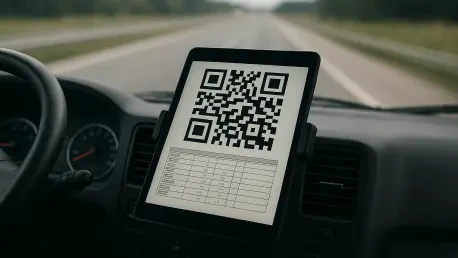
The technical requirements for the digital DeCA are stringent, requiring the document to be generated as a PDF file with a maximum size of five megabytes. A central feature of this document is the inclusion of a mandatory QR code, which must link directly to a secure repository where the official file is stored for verification. This allows roadside inspectors to use handheld devices to verify the document’s authenticity in real-time, significantly speeding up the inspection process. Drivers are permitted to present the document on a mobile screen or as a clear physical printout, provided the QR code remains perfectly legible for scanning. Furthermore, businesses are now required to archive these digital files for a minimum of one year to ensure they are available for potential audits. This shift reflects a broader European move toward real-time data access, forcing hauliers to adopt more robust cloud-based storage and document management systems to remain compliant with Spanish law.
Heightened Border Security in the United Kingdom
Ending the Grace Period: Accuracy in ENS Filings
For hauliers operating between the European Union and the United Kingdom, October 2026 marks the end of a soft enforcement period regarding Safety and Security declarations. The UK authorities designated September 30, 2026, as the final opportunity for businesses to rectify recurring errors in their filings without facing severe consequences. Starting October 1, customs officials have begun taking strict enforcement actions, including the imposition of financial penalties for any inaccurate data submitted. This signals a transition from a collaborative, educational approach to a hard-line regulatory stance aimed at securing the border. The goal is to ensure that every vehicle or container entering the country is accurately documented before it reaches the port. For transport firms, this means there is no longer any room for administrative negligence. The focus on high-quality data is part of the UK’s strategy to leverage technology for faster border crossings while maintaining high security.
Specific Identifiers: Requirements for Various Freight Types
A primary area of concern for UK authorities involves the precise identification of transport means within the Entry Summary Declaration filings. For accompanied Roll-on/Roll-off movements, such as those utilizing the Eurotunnel or cross-channel ferries, the vehicle’s registration number is now a mandatory and non-negotiable field. Common mistakes, such as using generic terms like “truck” or only providing a trailer number, are now being met with immediate fines. In the case of unaccompanied freight, the requirements are different, necessitating the vessel’s International Maritime Organization number or unique container identifiers instead of vehicle plates. If a shipment involves containers, those identification numbers must take priority over the trailer registration to ensure global tracking standards are met. Hauliers must ensure that their dispatch teams are trained to distinguish between these requirements based on the mode of transport to avoid the logistical delays that result from rejected declarations.
Cybersecurity Integration in Central Europe
The Ripple Effect: Poland’s NIS2 Implementation
In Central Europe, Poland is moving forward with the implementation of the EU’s NIS2 Directive through its National Cybersecurity System. A critical deadline occurred on October 3, 2026, for specific entities to self-register in the national register of cybersecurity providers and essential services. While the legislation primarily targets infrastructure managers, such as those running major motorways or Intelligent Transport Systems, the ripple effect on the broader logistics industry is profound. The law mandates that these essential entities ensure the security of their entire supply chain, which includes the transport companies they contract. Therefore, even if a road carrier is not legally required to register as an essential entity, they are now subject to the cybersecurity standards dictated by their larger partners. This move reflects a growing realization that the transport sector is a critical node in a digital network that must be protected from sophisticated cyber threats and systemic disruptions.
Strategic Adaptation: Securing the Logistics Supply Chain
This regulatory environment in Poland has created a trickle-down effect where cybersecurity resilience is becoming a competitive necessity for hauliers of all sizes. Large logistics hubs and infrastructure managers are now legally obligated to audit their subcontractors, meaning that transport firms with weak digital defenses risk losing high-value contracts. Providers of transport management systems and telematics vendors are also facing increased scrutiny, as their software must now meet higher security benchmarks to be used by regulated entities. Although the full implementation of all security measures is not required until 2027, the initial registration phase has forced companies to begin immediate assessments of their digital vulnerabilities. This shift is turning cybersecurity from an IT concern into a core business strategy. Transport operators are finding that maintaining a modern, secure digital infrastructure is just as important as maintaining a fleet of vehicles in the current market.
Strategic Integration: Beyond the October Transition
The regulatory transitions observed throughout October 2026 solidified the arrival of an era defined by enforced digitalization across the European continent. Authorities moved decisively to replace antiquated, manual processes with verifiable, real-time systems that prioritized data accuracy and security. While the technical hurdles in regions like Romania highlighted the difficulties of such a rapid shift, the long-term trajectory toward a transparent and digitally integrated network became irreversible. Businesses that successfully navigated these changes did so by auditing their existing software capabilities and investing in comprehensive staff training. Successful hauliers recognized that compliance was no longer a periodic hurdle but a continuous process of technological refinement. This mindset shifted focus toward the integration of automated document generation tools and the adoption of standardized cybersecurity protocols. These organizations prioritized the acquisition of resilient IT systems to maintain their standing within large-scale hubs.